
The Trump administration announced plans to overhaul the Head Start program. This federal initiative provides early education for the country’s poorest children. Changes would reduce regulations, giving more decision-making power to local entities.
Officials from the Department of Health and Human Services (HHS) explained the proposal. It aims to empower local centers by removing many federal mandates. Early childhood policy experts argue this could weaken Head Start’s standing as a leader in early education.
The Associated Press reported on the proposed reform, now available online for public comment. The public can express their views for 60 days before its implementation. Legal challenges may delay this process.
Head Start serves about 700,000 vulnerable children. These include those who are homeless, in foster care, or have disabilities. This role would remain unchanged.
Alex J. Adams, Deputy Secretary at HHS, spoke about giving centers flexibility to modify operations. The proposal includes removing most program regulations, such as staff-to-child ratios and family service requirements.
A federal mandate can hinder local decision-making, increase costs, and limit program reach, according to Adams.
He noted a decade-long decline in program enrollment. He believes the new rule could increase Head Start capacity.
During a briefing, Health Secretary Robert F. Kennedy praised Head Start. His uncle, Sargent Shriver, started it during Lyndon B. Johnson’s administration. Kennedy stressed the importance of protecting this critical program.
However, experts caution that the changes alter what makes Head Start distinct from other early education programs.
Head Start Beginnings
Head Start began in the 1960s as part of Johnson’s “War on Poverty.” Currently, it operates under more than 100 pages of regulations. These require low staff-to-child ratios, research-backed curricula, and comprehensive services for poor children. Services include medical and dental check-ups and parental guidance.
The proposal would remove these regulations. Instead, the 1,600 Head Start operators, including nonprofits and school districts, would follow state and local childcare licensing requirements.
While the proposal greatly relaxes requirements, Adams highlighted that centers could opt to continue their current practices. He estimated over $2 billion in savings and more children served.
The proposal introduces new requirements. Instruction must be in English, except in tribal communities with native language programs. Administrative costs would be capped at 5%, down from 15%. New nutrition standards are included, as well as 30 minutes of physical activity—outdoors if weather permits—for every 3.5 hours of the program.
State Regulations More Permissive
Experts note state childcare licensing standards are generally less strict than current Head Start regulations. State rules emphasize child safety and health but lack requirements for medical or dental exams or parental involvement.
Shantel Meek from Arizona State University co-authored an analysis comparing state licensing and Head Start standards. “Licensing ensures safety, while Head Start ensures safety and promotes development and learning,” she explained.
State standards also allow more children per adult compared to Head Start. In Mississippi, a Head Start teacher handles up to four 2-year-olds. State regulations allow 12 under one adult’s care.
Head Start operates nationwide, supported by both Democrats and Republicans. Yet, it faces repeated threats under Trump’s administration.
Earlier attempts included budget cuts that temporarily shut down some programs. A budget draft had entirely cut Head Start funding, later restored following backlash.
Kennedy defended Head Start’s effectiveness on a media call. Research shows graduates face fewer legal issues, perform better academically, and have better employment prospects. He tried to shield the program from broader agency cuts.
Despite this, the Trump administration fired much of the program’s support staff and closed half its regional offices last year.
The Associated Press’s educational coverage receives financial support from private foundations. AP maintains sole responsibility for content.
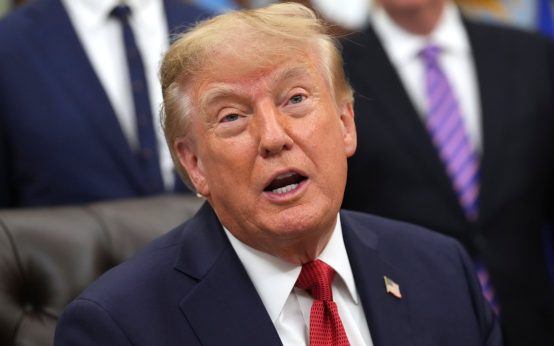 White House Launches Trump TV Amidst Press Dispute
  Media Organizations Sue Trump Administration Over Press Access
 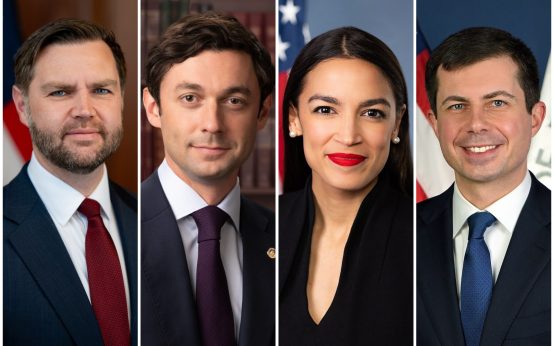 VP JD Vance Trails Potential Democratic Contenders in Early Polling for 2028 Election
  Rising Beef Prices: Causes and Policy Responses
  The Push for Permanent Daylight Saving Time
  Trump Visits New York Mayor Mamdani at Gracie Mansion