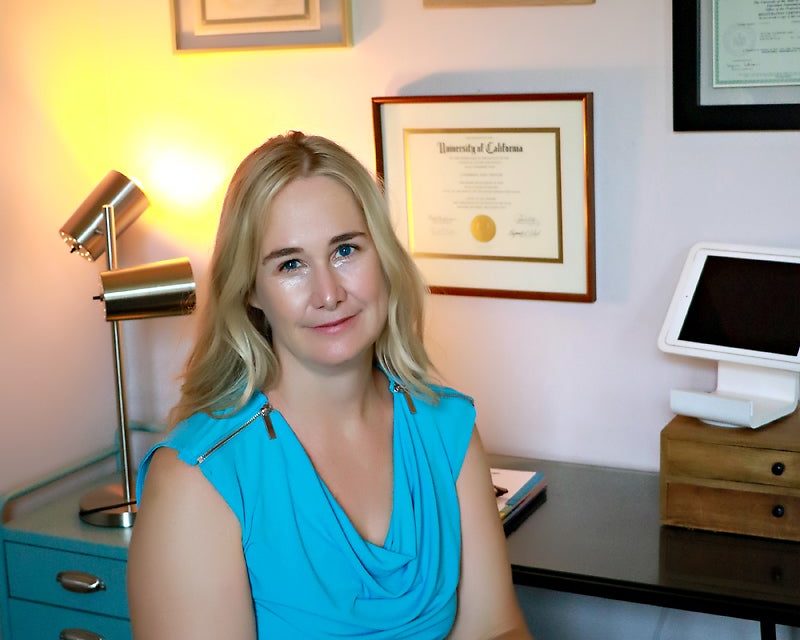
With nearly three decades in massage therapy, I understand the critical role of touch in human connection. It is known as social affective touch, given through massages, friendly hugs, or a compassionate shoulder pat. Research shows this form of touch helps reduce social isolation. As our world grows more disconnected, the need for such interactions increases.
The changes that occur during a massage are profound. Bodies in pain relax, opening the mind to peace and well-being. Breathing alters as the nervous system calms. Body tissues soften and expand, and facial muscles release their tension. This practice not only benefits clients by soothing them but also provides comfort to practitioners.
In my early 20s, I turned to massage therapy to cope with personal grief. The sudden loss of my mother left me in a distressed state. While talk therapy offered some support, massage provided a physical refuge. It addressed the parts of me that held memories of my mother’s presence.
Skilled bodywork professionals help clients develop interoceptive skills — the ability to recognize and manage internal body signals. Dr. Cynthia Price from the University of Washington has conducted research showing that improved interoception enhances personal agency and emotional regulation.
Men, especially, need this therapy. However, I no longer accept male clients, except for a few long-standing ones. While I have had great male clients, a broader lack of understanding about therapeutic touch and its misuse by industries that provide sexual services has led to confusion between massage therapy and sex work.
Comments about ‘happy endings’ undermine the profession. All touch-based professionals, including sex workers, face risks due to societal attitudes. These jokes and misconceptions complicate the work of massage therapists, doctors, nurses, and others in similar fields.
My past experience at a spa highlights this issue. A male client requested an abdominal massage under a false pretense of digestion issues. Despite professional handling, he engaged in sexual conduct without my consent. It was a stark realization that I was part of his actions without knowing, illustrating a larger industry issue.
Our professional circles share many stories of discomfort and trauma from inappropriate male behavior. This problem causes some female massage therapists to leave the profession. My incident prompted me to reconsider working in environments like spas, where I couldn’t vet clients personally.
In private practice, although I developed screening methods and imposed boundaries, uncertainty remained. Each male client inquiry brought stress over potential misinterpretations of my services. My attempts to set strong professional boundaries fluctuated with personal financial pressure and safety concerns.
Encouraged by my therapist, I eventually shifted to focusing solely on female clients. Initially, excluding men seemed unfair; however, it offered peace of mind. The change lets me work confidently, without fearing for my safety, while providing care to women who seek my services.
Feedback from new clients reflects their appreciation for an environment tailored to women’s safety and support. While some potentially excellent male clients are now excluded, this approach is necessary for my personal and professional well-being.
 Thanksgiving Outfit Ideas: Comfortable and Stylish Matching Sets
 A Journey of Friendship and Reflection
 Hospital Executive Learns Insights Working ER Shifts
 Cozy Winter Boots from Amazon to Keep Your Feet Warm and Dry
 Michelle Williams Revives the Barrel Jeans Trend
 Embrace Winter Whites: Stylish Sweaters for Your Holiday Wardrobe