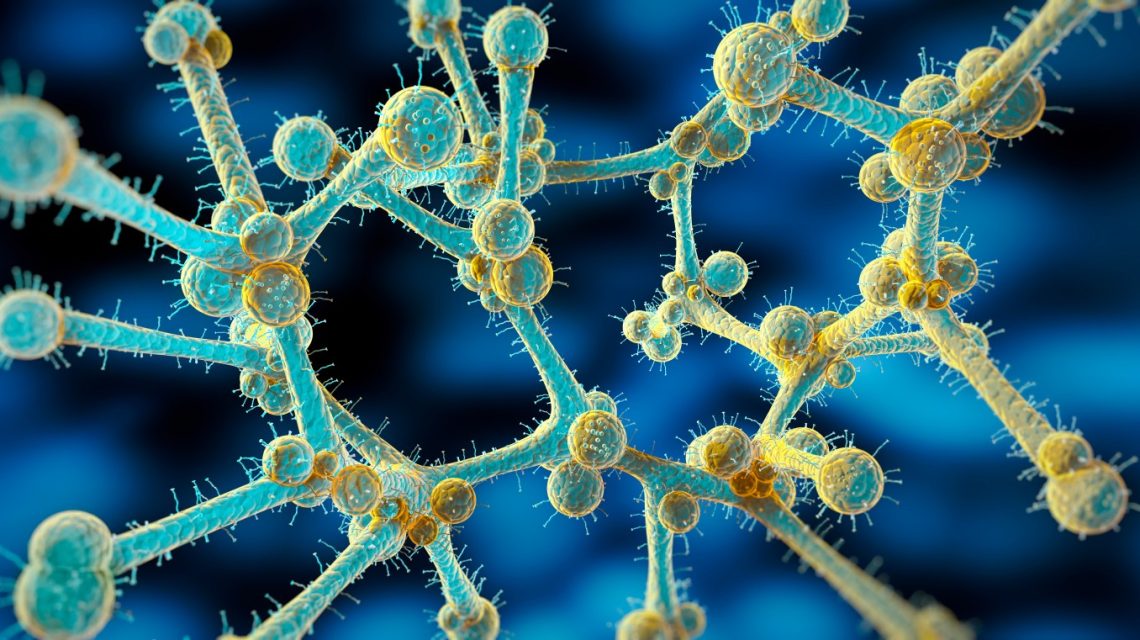
A drug-resistant fungus, Candida auris, endangers hospital patients across the U.S. by surviving on human skin through immune system manipulation.
‘Candida auris colonizes skin way better than most other fungi, setting it up to invade once the immune system is weakened,’ stated Dean Merrill, a dermatologist at UCSF and lead of a recent study. ‘The big clinical problem is that we have no effective way to remove it from the skin.’
This fungus has been detected in over half of the U.S. states in 2026, as per the Centers for Disease Control and Prevention (CDC), and screenings confirm its widespread presence.
A Silent but Deadly Threat
Identified first in Japan in 2009, Candida auris has spread globally to various healthcare facilities. Generally harmless on skin, it becomes lethal upon bloodstream entry, especially for vulnerable patients. It contributes to approximately 3,000 deaths annually in the U.S., resisting many antifungal treatments.
While previous studies left gaps in understanding why C. auris lingers on skin, the new UCSF study in Science seeks answers. Researchers used comparisons with Candida albicans, a commonly cleared fungus, revealing stark differences.
Experiments showed that C. albicans vanished quickly, but C. auris persisted deep within hair follicles.
Rewiring the Skin’s Defenses
Divergent immune responses are at play. C. albicans activates IL-17, boosting natural skin defenses and clearing infections. C. auris, however, prompts interferon gamma—a signal meant for viruses. This mismatch in response hinders effective defense against fungi.
C. auris alters its cell wall to reveal chitin, triggering nearby immune cells to release interferon gamma. This process suppresses IL-17 response and slows hair follicle cell turnover, allowing C. auris to flourish undetected.
‘Chitin is widespread in nature, so it’s not like human skin never encounters it, but we were surprised to see that C. auris actively uses its chitin to turn the skin into a perfect nest,’ remarked Suzanne Noble, UCSF microbiology professor and co-senior author.
Potential strategies to eliminate the fungus involve drugs to shift immune response from interferon gamma to IL-17, reviving skin’s defenses. Another approach targets chitin to prevent interferon gamma response.
The research provides crucial insights into microbial interactions with human bodies, emphasizing their potential danger.
 Potential Changes in Medicare Reimbursement for Lab Tests
  Understanding and Addressing the Complexity of Suicide
  Recall of Meat Products from Star Meat Delivery Inc.
  Questions Arise After Presley Gerber’s Death in Rehab
  Upcoming Concerns and Influence in Health Politics
  Fraud Task Force Saves Billions by Tackling Obamacare Misuse