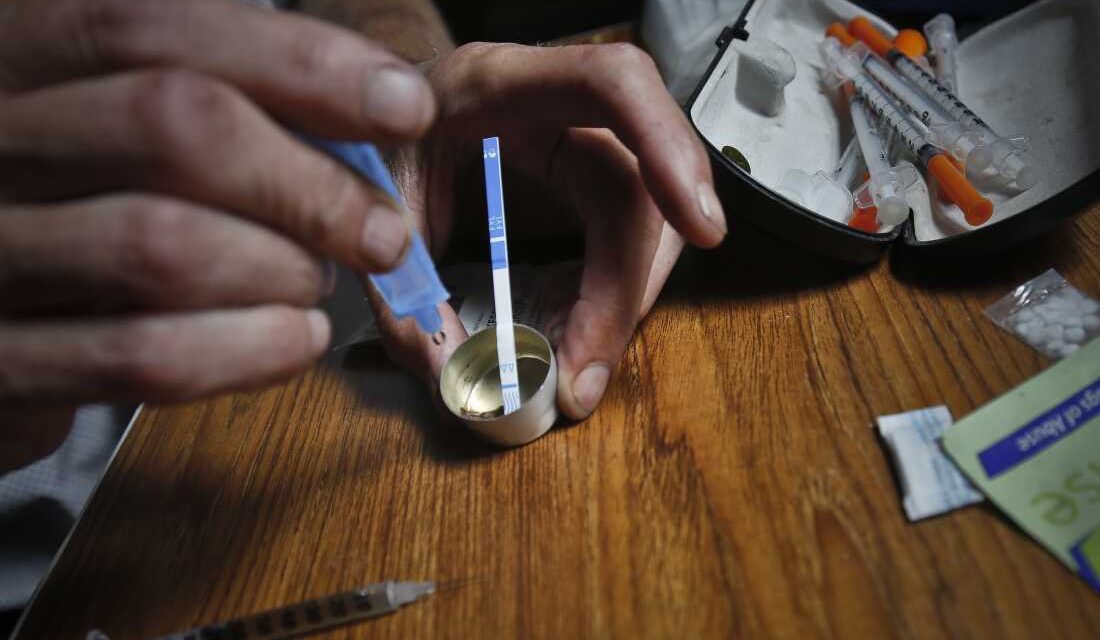
In August 2018, a drug user conducted a test in New York to check for fentanyl in heroin, aiming to prevent overdose risks. This practice is crucial as communities like Baltimore have faced severe overdose incidents. Notably, the Penn North neighborhood experienced three mass overdoses in three months last year. One incident left over two dozen individuals unresponsive, though none died, many were close.
Subsequent tests revealed that the drugs contained high levels of N-methylclonazepam, a benzodiazepine similar to Xanax or Valium. These drugs, like opioids, can suppress breathing, raising overdose risks when mixed. Unlike opioids, benzodiazepines do not respond to reversal drugs such as naloxone. In response, the Baltimore Harm Reduction Coalition developed test strips to detect benzodiazepines and distributed these along with strips for other dangerous substances like fentanyl and xylazine. The strips are free and available at clinics, events, bars, and on street corners. By mixing a small drug sample with water and dipping a strip into it, users can detect adulterants if the strip changes color.
According to Candy Kerr from the coalition, these strips empower people to use drugs more cautiously. Yet, a new federal policy could hinder such efforts. In April, the Substance Abuse and Mental Health Services Administration (SAMHSA) banned using federal grants to distribute these strips or support some harm reduction strategies. These practices have been recognized for saving lives for nearly a decade. Free test strips for various adulterants, available outside the Chesapeake Detention Center in Baltimore, are vital for many advocacy groups. These organizations often provide the strips to individuals leaving jail to prevent overdose risks.
An official letter to local health departments and nonprofits explained that the Trump administration viewed these harm reduction practices as facilitating drug use, contrary to federal laws. The letter clarified that Health and Human Services (HHS) grants cannot fund clean needle programs, drug paraphernalia, or specialized hotlines for drug users. Instead, the administration focuses on methods like distributing naloxone, which is effective as a nasal spray for reversing overdoses, according to HHS spokesperson Emily Hilliard.
Under the new policy, federal funds may still be used to purchase test strips for professionals like law enforcement and EMTs. Yngvild Olsen, a former overseer at SAMHSA’s Center for Substance Abuse Treatment, noted that providing test strips to drug users is backed by substantial evidence of behavioral change. Some might choose not to use, use less, or ensure there is naloxone and assistance available in case of an overdose.
Candy Kerr advocates continuing these efforts alongside dispensing naloxone, crediting them with reducing overdose deaths in Baltimore by over 40% since 2023. However, nonprofits now need alternative sources of funding, causing plans to cut down other services like hygiene kit distribution to sustain test strip availability. Kerr believes maintaining access to these strips is crucial to avoid further mass overdoses or even a single preventable death in Baltimore.
This report is part of NPR’s collaboration with WYPR and KFF Health News.
 Understanding and Addressing the Complexity of Suicide
  Recall of Meat Products from Star Meat Delivery Inc.
  Questions Arise After Presley Gerber’s Death in Rehab
  Upcoming Concerns and Influence in Health Politics
  Fraud Task Force Saves Billions by Tackling Obamacare Misuse
  Presley Gerber’s Passing Raises Addiction Recovery Concerns