
Two business owners in Florida face third-degree felony charges after allegedly distributing around 1,500 mothballs on a beach to prevent a threatened bird species from nesting. Convictions could result in up to five years in prison, fines of up to $5,000, and five years of probation.
Incident Details
In late April, beach visitors reported finding mothballs scattered across the sands of St. Pete Beach in St. Petersburg, Florida. The Florida Fish and Wildlife Conservation Commission (FWC), along with volunteers from the Audubon Society, intervened and removed about 1,000 mothballs from behind the Plaza Beach Hotel.
Another 500 mothballs appeared overnight, posing a threat to black skimmers, a shorebird attempting to establish a nesting site. The mothballs contained pesticides, raising concerns for wildlife and children’s safety.
Investigation and Charges
Concerned about the impact on these birds, investigators pursued leads. Searches led them to Christopher Monroe, owner of Chris’s Beachside Bar, and Robert Czyszczon, owner of Plaza Beach Hotel.
The duo allegedly aimed to keep birds away to avoid losing revenue. Authorities found incriminating evidence through surveillance footage and mobile data. Text messages highlighted the men’s intent to deter fowl nesting due to commercial concerns.
Investigators discovered Czyszczon bought a large batch of mothballs from a Walmart, while phone data placed Monroe at the site during the time in question.
Legal Implications
Monroe and Czyszczon face charges of illegal dumping, categorized as a third-degree felony. Additionally, they face a misdemeanor charge for “attempted take of a state-listed imperiled species by harassment.” Both men have been released on bond.
Conservation Concerns
Black skimmers lay eggs in sand depressions near Florida’s coasts. Protecting their habitat is crucial, as delays in nesting due to human interference may expose young birds to dangers like hurricanes, as stated by FWC officials.
The University of Florida Institute of Food and Agricultural Sciences (IFAS) highlighted that mothballs can be harmful, as their vapors affect humans and wildlife.
The case sheds light on the balance between business interests and environmental conservation efforts involving protected species.
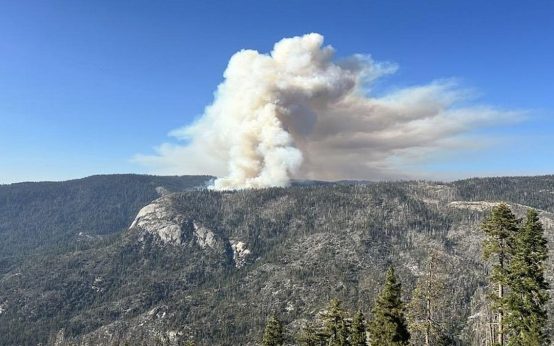 Helicopter Crash Claims Lives of Two Firefighting Pilots in Yosemite
  Cold Weather Alerts and El Niño Influence
 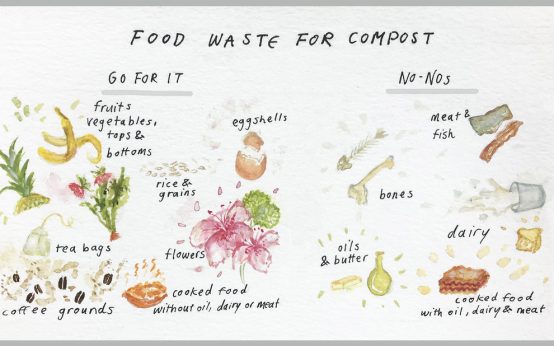 Turning Home Food Waste into Compost: A Guide
  Chicagohenge: When Sunlight Aligns with City Streets
 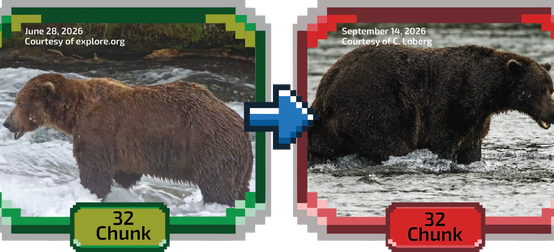 Fat Bear Week 2026: A Look at the Contest and Its Competitors
  California Governor Declares Statewide Emergency Ahead of El Niño Storms