The mother of a seven-year-old girl diagnosed with stage 4 cancer has shared critical warning signs for parents to recognize, reflecting on signs she initially overlooked. Emily Koska and her husband, Michael, have three children: Abram, 11; five-month-old Ruthie; and seven-year-old Miriam.
“Miriam is a girly girl,” said Koska from North Dakota to Newsweek. “She loves singing, dancing, and playing with Barbies.” In October 2025, their daughter Miriam was diagnosed with stage 4 nodular ganglioneuroblastoma, a type of childhood cancer primarily affecting children aged two to four.
Nodular ganglioneuroblastoma typically targets nerve tissue. According to MedlinePlus, malignant tumors can be aggressive and spread rapidly. Often, a lump forms in the abdomen, but it can also develop in areas like the neck, legs, or chest. For Miriam, signs of cancer were initially missed.
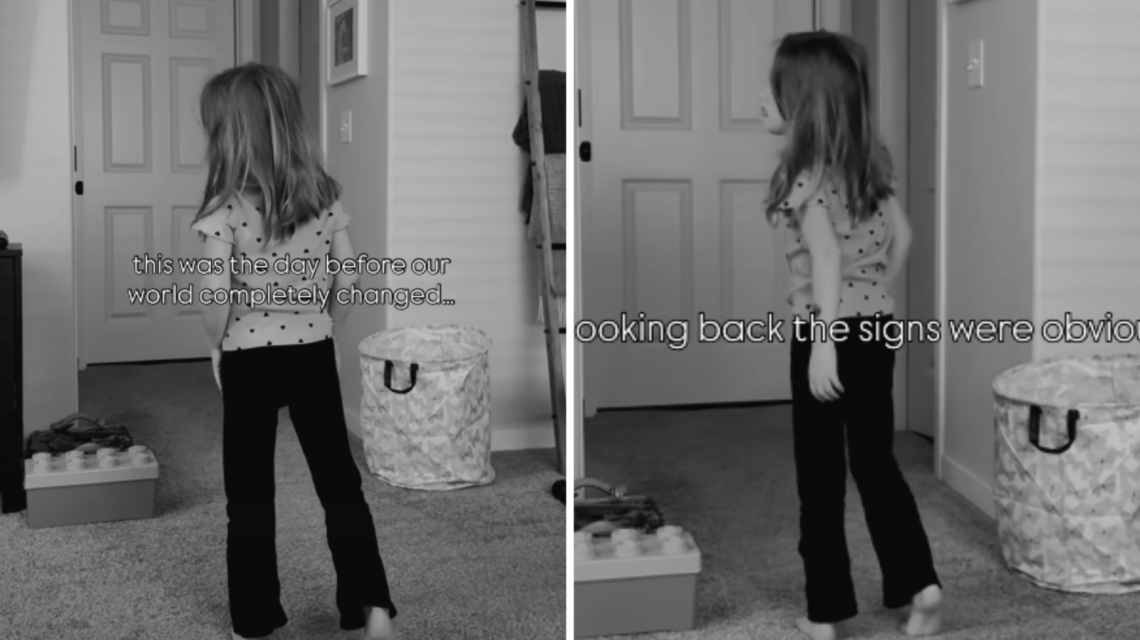
In July, Koska shared a video from the day before Miriam’s diagnosis. The footage showed Miriam walking with a noticeable limp. She captioned it on her Instagram account, @emilykoska: “This was the day before our world completely changed. We had no idea she had cancer spreading to her bone marrow.” She added, “Looking back, the signs were obvious. I must live with that forever.”
Koska recalls early signs, urging parents to “keep asking questions” if they sense something is wrong. Miriam was six when she experienced occasional leg pain, initially dismissed as growing pains typical for an active child. However, as the pain intensified, leaving Miriam with a limp, the concern amplified.
She developed unexplained fevers, night sweats, abdominal pain, and increasing fatigue, as Koska detailed in a message to friends and family. Initial medical visits suggested a range of possibilities, from viruses to constipation, without concrete answers.
Eventually, a pediatrician considered the full spectrum of symptoms, not in isolation, and directed them to emergency care. “Within hours, our daughter was diagnosed with cancer. Within days, we knew it was high-risk ganglioneuroblastoma,” Koska shared.
“Neuroblastoma causes tumors compressing structures in a child’s body, leading to diverse symptoms,” Cleveland Clinic notes. Symptoms vary from feeling overly full, swelling, difficulty with bodily functions, to problems with balance, coughing, and swallowing.
Further symptoms from spreading tumors include swollen lymph nodes, bone pain, dark circles, fatigue, weakness, fever, unusual bruising, and frequent illnesses. Koska stresses, “These symptoms are more often due to other causes. But rare does not mean impossible.” Persistent, worsening symptoms warrant further investigation.
By sharing her experience, Koska aims to prevent other parents from dismissing persistent symptoms. She encourages parents undergoing similar situations to “keep asking questions, advocating, and searching until someone listens.”
On a positive note, Koska reports to Newsweek about Miriam’s current well-being. She said her daughter recently showed clear scans with minimal disease remaining in her bone marrow. Miriam will continue her treatment into 2027.
Koska, proud of her daughter’s resilience, said, “It’s a long and grueling process, but we are incredibly proud of how brave and resilient she has been. She inspires us every day.” Miriam’s journey is a testament to perseverance and a mother’s love.
 Medicaid Fraud Impacts Autism Services and Military Health Care Program
  Understanding Everyday Memory Lapses and Cognitive Health
  Professor Lin’s Dual Journey: Expert and Stage IV Patient
  The Impact of Private Equity on Hospital Operations
  Microplastics in the Great Lakes: A Growing Concern
  Federal Proposal Affects 7-OH Sales in Illinois Amid Rising Concerns