
Everyday memory lapses like misplacing keys or forgetting names are often mistaken as early dementia signs. However, experts in neuroscience suggest that early cognitive changes might be reversible if addressed quickly.
Dr. Tommy Wood, a University of Washington professor in pediatrics and neuroscience, explains that minor forgetfulness usually results from fatigue or stress, not the onset of neurodegenerative diseases. “For most people, it’s just because you’re stressed or you’re tired and weren’t paying attention,” Wood noted at Strong New York, a major fitness and wellness festival in the city.
Memory and Focus
Wood emphasizes the importance of focus for memory. “If you want to remember something, you need to actually be focused and tell your brain it’s important to remember it.” Memory operates in three stages: encoding, consolidation, and retrieval. Cognitive changes with age aren’t unavoidable, and early lifestyle adjustments can help maintain or even restore brain function.
“When stressed or sleep-deprived, retrieval is usually the challenge; the memory is there but hard to access,” Wood explained. Neurodegenerative diseases often prevent encoding the memory initially.
Recognizing and Preventing Cognitive Decline
Dementia is defined as cognitive function loss severe enough to affect daily life. Alzheimer’s disease and vascular dementia, accounting for 70% to 90% of cases, often show signs of both. Research shows over 50% of dementia cases might be prevented by modifying lifestyle and health risk factors.
True memory issues stem from failure to encode new memories, whereas stress-related forgetfulness involves retrieving existing ones. Key preventable risk factors include heart and metabolic health issues, hearing and vision loss. Addressing these can directly reduce cognitive decline risk.
Wood stressed the importance of treating physical health issues: “If you expect decline, you won’t engage in prevention activities. Believing it’s possible encourages preventive steps and can avert declines.” This view aligns with Mayo Clinic and Cleveland Clinic guidance on treatable conditions mimicking early dementia symptoms.
Common Reversible Causes
- Vitamin deficiencies: Low vitamin B12 or B1, essential for nerve and brain function.
- Endocrine disruption: Thyroid issues, notably hypothyroidism, slowing brain metabolism.
- Medication side effects: Effects from sedatives, anticholinergics, or polypharmacy in older adults.
- Mental health conditions: Depression and severe anxiety, causing pseudodementia, which resolves with treatment.
- Metabolic and kidney issues: Chronic kidney or liver failure, and electrolyte imbalances altering brain chemicals.
Managing these health issues, like controlling high blood pressure, treating sensory losses, and staying physically active, directly reduces cognitive decline risks. The Cleveland Clinic notes that early intervention is crucial when noticing changes in executive function or “brain fog.”
“Your brain’s daily function is the output of various challenges. If changes are noticed, there’s still time for adjustments,” said Wood.
Khloe Quill, a lifestyle writer with Fox News Digital, covers topics including food and drink, travel, and health.
 Medicaid Fraud Impacts Autism Services and Military Health Care Program
 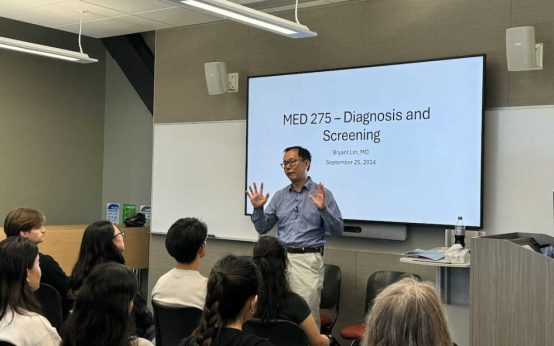 Professor Lin’s Dual Journey: Expert and Stage IV Patient
  The Impact of Private Equity on Hospital Operations
  Microplastics in the Great Lakes: A Growing Concern
  Federal Proposal Affects 7-OH Sales in Illinois Amid Rising Concerns
  Heidi Overton’s FDA Hearing on Vaccines and Abortion Pills