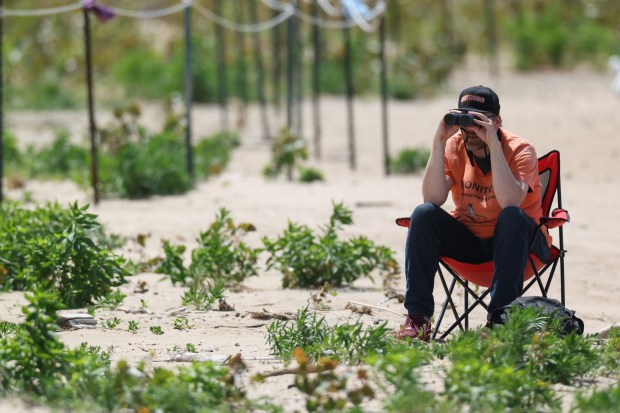
Montrose Beach saw people reveling under sunny skies, taking in the summer with activities like sandcastle building and soccer. Amidst the fun, many indulged in bird-watching, looking for the elusive piping plover. These small birds, alongside other Midwestern wildlife, may face challenges due to changes in the Endangered Species Act, which could impact their habitats significantly.
Impact of Policy Changes
The administration under President Trump altered the definition of “harm” to exclude the alteration of endangered species’ habitats. This modification raised concerns among conservationists who fear it might lead to species extinction. Ben Greuel from the Sierra Club pointed out this change threatens species like the piping plover, a bird that experienced a population rebound due to previous conservation efforts.
If you take water away from a fish, you’re going to harm that fish.
Greuel highlighted the piping plover as an example, noting its population recovery in the Great Lakes. Chicago Piping Plovers leader Tamima Itani expressed anxiety over their future when they migrate, questioning whether their winter habitats will remain preserved.
Developer Responsibilities
Previously, developers needed habitat conservation plans to obtain permits. Kristen Boyles from Earthjustice criticized these plans as paradoxical, as they allow habitat destruction under certain conditions. With upcoming changes, developers may bypass the requirement altogether, reducing protections for species such as the piping plover.
Lawsuit and Interpretation
In response, Earthjustice represents conservation groups in a lawsuit against these policy changes. There’s contention about interpretation, with Boyles arguing that courts, not agencies, should oversee regulatory definitions based on a Supreme Court case.
Additional Policy Adjustments
Beyond redefining harm, further adjustments include altering how threatened species are treated and considering economic impacts when labeling habitats as “critical.” Such changes place additional stress on species like the whooping crane.
Whooping Crane Protection
Parents and conservationists visit Horicon National Wildlife Refuge to witness whooping cranes, tall birds reliant on protected wetland habitats. Rich Beilfuss emphasized the importance of the Endangered Species Act in preventing harmful projects like power lines, explaining that the act shouldn’t prioritize wildlife over human interests, but strive for sustainable development.
Dragonfly and Habitat Destruction
Specialized niches, such as those of the Hine’s emerald dragonfly, worry experts like Marla Garrison. Dragonflies need specific environmental conditions, and human disruptions can severely impact their populations. Restoring habitats disrupted by developments is often unfeasible due to their complexity and historical formation.
Local Efforts and Broader Implications
Local bird enthusiasts at Montrose Beach, including Alex Terrana, appreciate the city’s efforts in wildlife conservation, particularly for the piping plovers. However, she notes that continuous federal regulatory changes could undermine local achievements despite Chicago’s proactive measures.
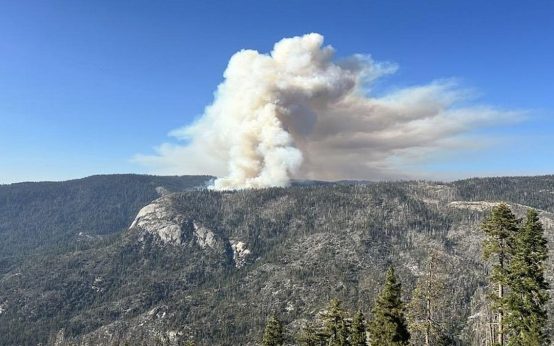 Helicopter Crash Claims Lives of Two Firefighting Pilots in Yosemite
 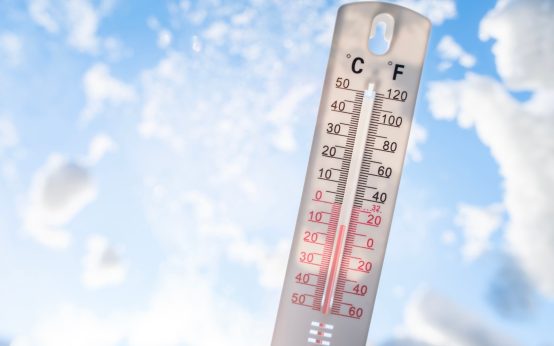 Cold Weather Alerts and El Niño Influence
 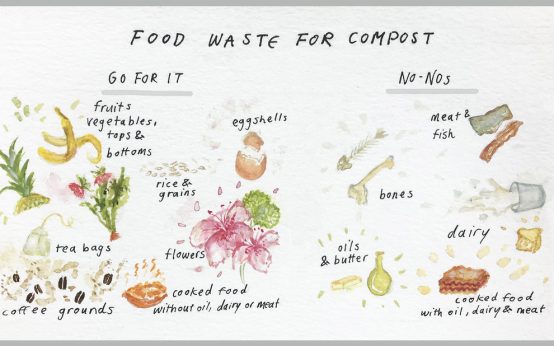 Turning Home Food Waste into Compost: A Guide
  Chicagohenge: When Sunlight Aligns with City Streets
  Fat Bear Week 2026: A Look at the Contest and Its Competitors
  California Governor Declares Statewide Emergency Ahead of El Niño Storms