Emotional Testimony in Lindsay Clancy’s Trial
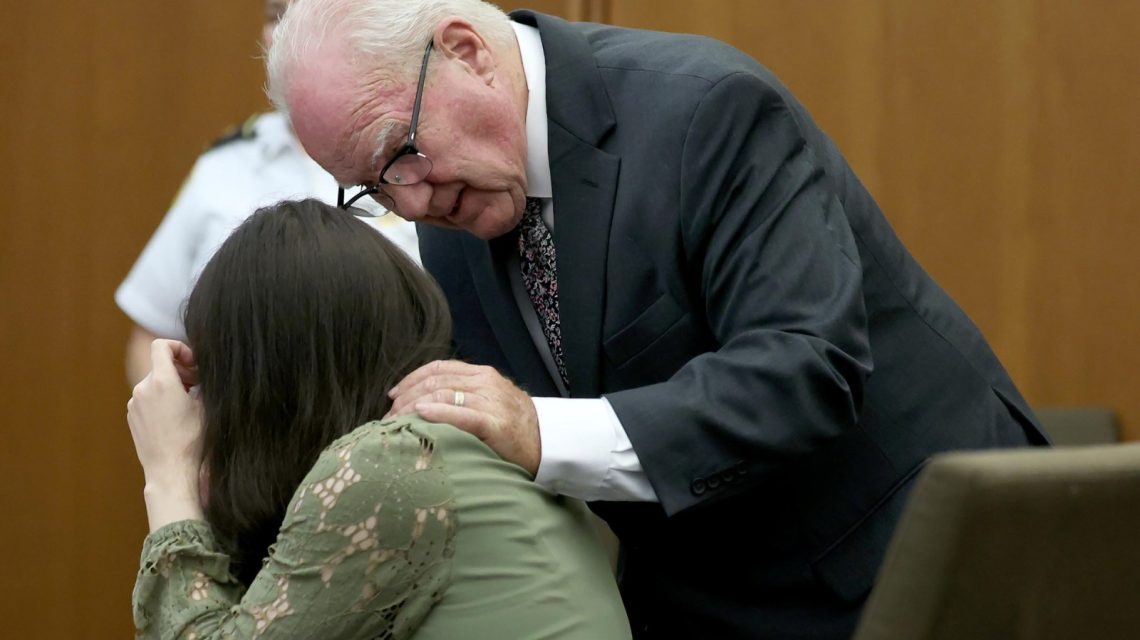
Lindsay Clancy experienced significant emotional distress during her murder trial on Wednesday, particularly during graphic testimony concerning her children’s injuries. Jurors had extended exposure to discussions about Clancy’s mental health and were reminded by the judge to focus solely on evidence, not emotion.
Crying in Court
Dr. Renee Stonebridge testified about the injuries found during the children’s autopsies, causing Clancy intense distress, resulting in multiple courtroom recesses. Medical examiner Dr. Barbara Olsen’s testimony on Cora’s injuries triggered similar reactions from Clancy, prompting objections from her defense attorney.
Clancy, accused of strangling her three children with exercise bands, has pleaded not guilty, citing postpartum psychosis as a defense. Her attorney argues she is not criminally responsible due to severe mental illness.
Medical Examiner’s Forensic Evidence
Stonebridge’s testimony focused on forensic evidence, describing physical injuries consistent with strangulation. It included details about Cora and Dawson’s injuries and evidence of Callan’s brain injury due to lack of oxygen.
The forensic testimony aims to reinforce the prosecution’s case and challenge the defense’s argument of Clancy’s mental state at the time of the children’s deaths.
Testimony on Mental Health Insights
Latiesha Dukes, a licensed mental health counselor, admitted she had not reviewed notes from another provider before treating Clancy. Testimony highlighted differing assessments between Dukes and another counselor, Rebecca Jollotta, illustrating varied perspectives on Clancy’s mental health.
The defense highlights discrepancies in providers’ assessments, asserting Clancy was suffering from a rapidly changing mental state.
No Investigative Support for Voice Claims
Massachusetts State Police Sergeant Dan Lawlor testified that there was no investigative basis for Clancy’s claims of hearing voices during Zeizel’s treatment period post-killings.
Lawlor’s testimony clarifies challenges in the prosecution’s arguments concerning statements by Clancy possibly being prompted.
Suicidal Thoughts But No Suicide Plan
Dukes testified Clancy reported suicidal thoughts but lacked a concrete plan. She recommended partial hospitalization, later noting Clancy appeared to show improvement.
The testimony allows both defense and prosecution to present Clancy’s mental state before the events, supporting their respective claims.
Legal Implications and Future Testimonies
As the trial progresses, jurors must consider detailed forensic evidence and mental health debates to determine Clancy’s criminal responsibility.
The ongoing trial is crucial in establishing clarity concerning Clancy’s mental health at the time and deciding possible commitments upon the verdict.
 Christa Pike Moved to Rehabilitation Center After Surviving Execution Attempt
  Ohio Dog Park Shooting Incident Sparks Legal Debate on Self-Defense Claims
  The Ethical and Practical Challenges of Lethal Injection Procedures
  Failed Execution of Christa Pike Sparks Debate and Legal Questions
  Ex-CIA Official Guilty of Fraud and Abuse
  Inquiry Requested into DOJ’s Case Against Former Olympian