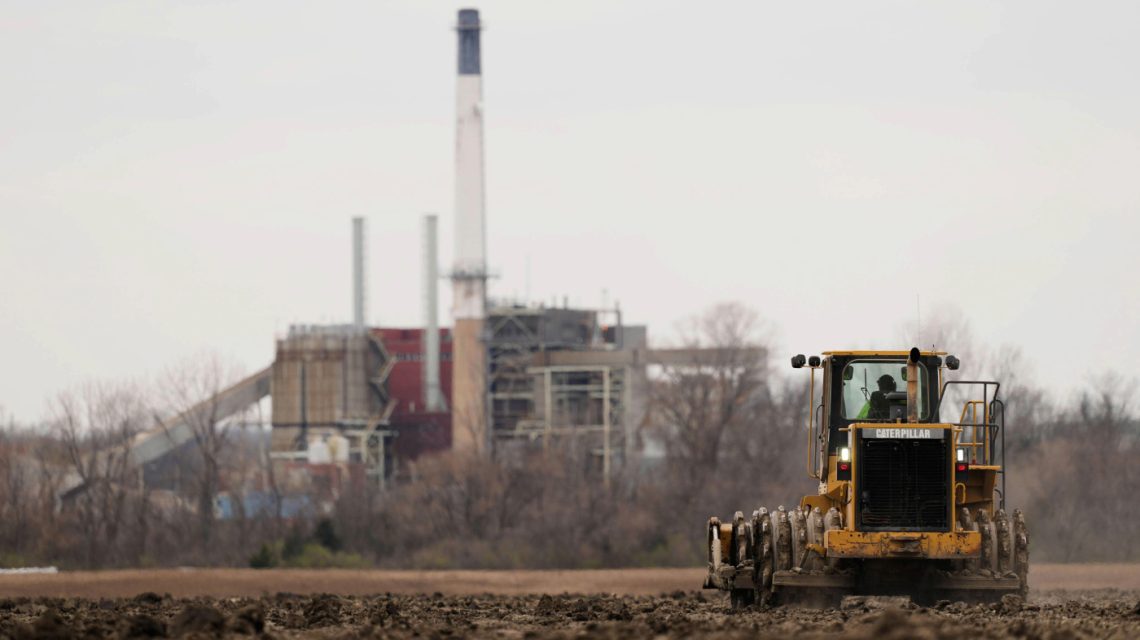
A worker prepares a piece of land for a new AI data center while a refurbished power plant stands in the background in Independence, Missouri, on Tuesday, March 24, 2026. Historically, America has invested in infrastructure that supports national prosperity. The country constructed railroads, poured interstate highways, and established internet networks. Each of these projects required vision, dedication, and skilled labor, contributing to growth and stability.
Currently, the next foundational element is under construction. Data centers, coupled with the energy to power them, form the core of artificial intelligence. This technology is pivotal for the future of American security and economic success. Despite ongoing efforts, numerous communities and states have moved to halt these developments through moratoriums and bans.
Halting AI infrastructure projects would be a significant mistake. It is not because every project is perfect or that communities should not question developments. Concerns about electricity usage, water resources, and site selection are valid and deserve careful consideration. Many workers reside in the affected communities and have families there.
However, enacting widespread bans on a rapidly expanding job and investment source is not the solution. Such actions risk communities missing opportunities for decades. The question remains whether America will choose to build or ban this infrastructure. The choice to proceed is crucial as the U.S. emerges as the leading global hub for data center investment, with numerous facilities operating or under construction.
Data center construction in central Ohio represents 40 percent of all building trades’ work hours. Three campuses there have generated approximately 6.5 million work hours in one year. This is not merely an abstract statistic. It symbolizes local employment opportunities for electricians, pipefitters, engineers, and various skilled laborers, offering wages, healthcare, and retirement benefits. Additionally, apprenticeships provide young individuals with a debt-free path to join the middle class. These represent significant opportunities for areas striving to attract sustained investment.
In Piketon, Ohio, a newly announced project promises to employ tens of thousands of construction workers. Such renewal stories, driven by data centers, are unfolding nationwide. The influence of these projects extends beyond construction sites. They generate billions in state and local taxes, supporting schools, roads, and emergency services. Local suppliers and small businesses also gain benefits.
Opponents of data center growth raise valid points, which merit thoughtful responses. Responsible development along with oversight, infrastructure planning, and informed site decisions should be priorities. Communities need a voice in these processes. However, responsible oversight differs greatly from implementing a complete ban.
There are existing methods for managing these needs at various government levels. Zoning boards, siting authorities, and utility regulators review and impose conditions on projects. Legislators can address complex issues and draft precise regulations. Imposing a blanket moratorium negates this approach, replacing careful decision-making with a single, negative response.
Stopping construction will not halt technological progress. While China increases its AI infrastructure, hesitance by the United States could mean falling behind, losing jobs and technological edge. States and communities securing future investments will manage challenges while advancing growth. Those that hesitate may lose out on future opportunities.
America has a history of building the next advancements and should persist. Austin Keyser, International Vice President of the 4th District of the International Brotherhood of Electrical Workers, advocates for this perspective. He represents members from Ohio, Kentucky, Maryland, Virginia, West Virginia, and the District of Columbia.
 Houthi Attack Leads to Fallout in Wrestling World
  Incident at Six Flags Over Georgia: One Fatality and Several Injuries
  Arizona Voters Prioritize Water Concerns in Upcoming Midterms
  Elon Musk Increases Political Contributions Ahead of Midterms
  Southern California Secures Safety Amid Coastal Erosion
  2026 Atlantic Hurricane Season Overview