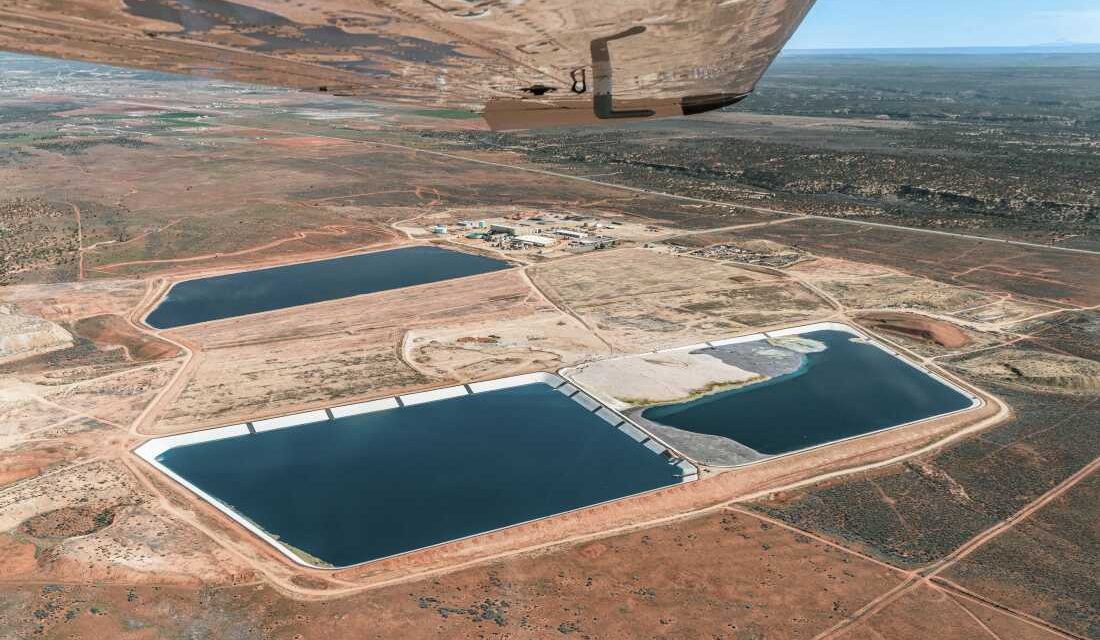
Radioactive Waste Storage at White Mesa Mill
The White Mesa Mill stores radioactive waste across 284 acres in Blanding, Utah. Its five tailings cells hold waste from uranium milling activities, posing environmental questions, especially among local indigenous communities.
Malcolm Lehi’s Quest to Protect Ancestral Lands
On a hot April day, Malcolm Lehi navigated the rugged roads near White Mesa Mill to reach Entrance Spring, a cool, mossy spring crucial to his Ute Mountain Ute tribe. The spring lies across from the White Mesa Mill, the only operational uranium mill in the U.S. The mill’s activities have long sparked debate over potential contamination risks.
Local tribal members like Lehi express deep concerns regarding possible toxic waste spread. With a looming federal ban on Russian uranium by 2028, the U.S. desires to boost domestic production, intensifying these worries.
Economic Pressures and Indigenous Concerns
The White Mesa Mill, operational since 1980 and situated near Bears Ears National Monument, is central to the U.S.’s revived interest in uranium as nuclear fuel. This has led to increased ore shipments and plans for expanded waste storage. However, tribes like the Ute Mountain Ute and Havasupai raise alarms about possible contamination of groundwater resources vital to future generations.
“They’ve been lied to before,” said Curtis Moore, a senior executive at Energy Fuels, acknowledging past mistrust due to historical uranium mining impacts.
Health Concerns from Airborne and Waterborne Contaminants
Local leaders, such as Yolanda Badback, actively oppose mill operations, wary due to uranium’s detrimental legacy in the region. There’s also concern over airborne radon and other contaminants possibly affecting nearby communities’ air and water quality.
Federal assessments have yet to conclusively tie contamination levels to the mill’s activities, though localized water and air have shown troubling chemical odors and discoloration, fueling distrust.
Monitoring and Future Prospects
Ongoing monitoring is crucial to safeguard against potential toxic leaching. Tribal and environmental groups continue to advocate for transparency and rigorous environmental protections as the nation grapples with increasing uranium demand for energy. The delicate balance between economic interests and environmental preservation remains a contentious issue.
Badback and other community members keep striving for safe and sustained land stewardship, echoing a broader call for responsible resource management.
 Hurricane Developments: Simon’s Intensification and Isaias’ Threat
  Trump Administration Moves to Expedite Arctic Oil Exploration
  Renewed Volcanic Activity At Kīlauea Prompts Trail Closures
  Completion Approaching for World’s Largest Wildlife Crossing in Agoura Hills
  Hamilton Wings Dissolution Marks End of an Era in Elgin
  Monarch Butterflies Flourish in Illinois’ Managed Right-of-Ways