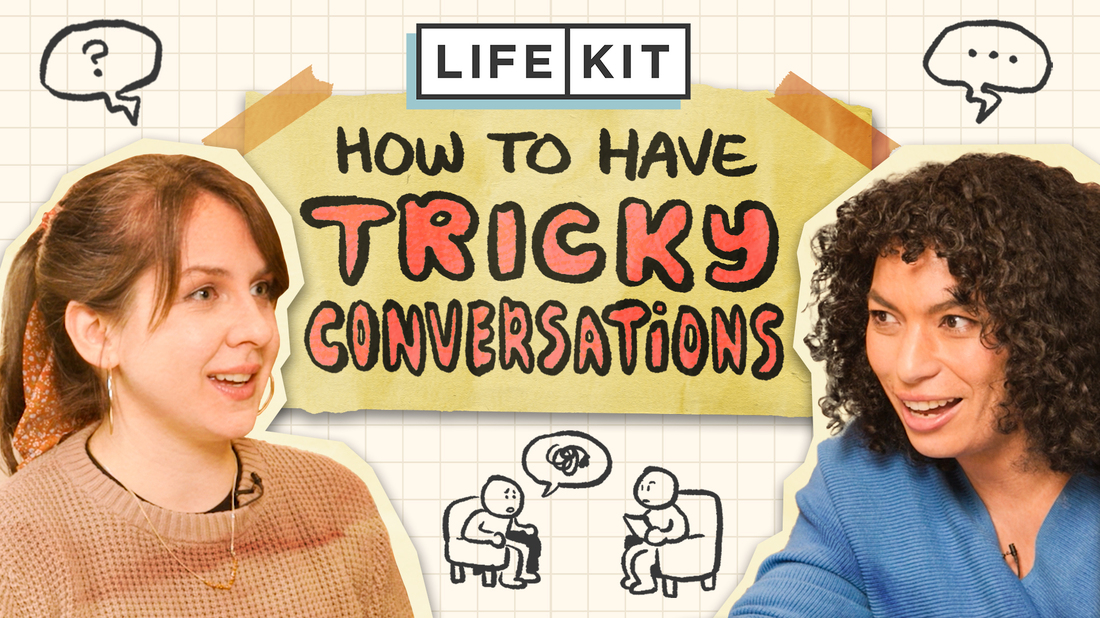
The Importance of Difficult Conversations
Everyone experiences tough conversations, not only with close friends and family but also with people like landlords, bosses, and doctors. These interactions can significantly affect your life, from discussing symptoms with your doctor to presenting your strengths in a job interview. Often, people aren’t taught how to navigate these challenging discussions effectively. Here are some common situations with language that may help you handle them with confidence.
Handling Financial Constraints as a Bridesmaid
“I am so honored. I am currently in a stressed financial position. If I were to be part of your bridal party, I would want to do it right. If I wouldn’t need to buy a dress or anything like that, I would be honored to join or play whatever role.” – Stacey Vanek Smith, NPR’s Global Economics Correspondent
Ending Therapy Sessions Gracefully
“Do you need to process this ending? If so, you should. This is a time to focus on your needs. This doesn’t mean you’re a narcissist. You need to prioritize your own needs. The therapist is trained to handle these discussions. If it goes poorly, they need to figure out what other training they require.” – Moraya Seeger DeGeare, Licensed Marriage and Family Therapist
Discussing Sexual Health with a Partner
“I always recommend disclosing your own status, especially when you were last tested. Mention what you’ve been tested for and if the results were negative or positive. Avoid using the word ‘clean.’ End it with, ‘How about you?’ to make it an invitation.” – Dr. Evalene Dacker
Managing Job Interview Nerves
“Think of three things you want the interviewer to remember about you. If you fumble a question, find a way to connect back to one of those three points.” – Cynthia Pong, Embrace Change
Negotiating Medical Bills
“I’m calling because I’m reviewing this bill and would like to close it out today. I have a $1,000 bill and would like to know if there’s a settlement amount if I pay now.” – Jared Walker, Dollar For
Ensuring Doctors Acknowledge Your Symptoms
“This is a warning sign. You need to pause and regain control. Say, ‘Let’s talk about my symptoms. Did you not hear me? This is affecting my way of life. I can’t go to work. I need your help.’ If it still isn’t working, finding another doctor is crucial.” – Dr. Jennifer Mieres
We welcome your feedback. Contact us at [email protected]. Listen to Life Kit on Apple Podcasts and Spotify, or subscribe to our newsletter.
 Local Events Highlight October Festivities and Arts
  Benefits of Particle Skincare for Men
  The Rise of Solo Travel and the Industry Response
  Prepare for Rainy Fall with Discounted Columbia Rain Jacket
  Passenger’s Unusual In-Flight Behavior Sparks Outrage
  The Role of Home in Addressing Children’s Mental Health