
The Democratic Socialists of America (DSA) have been gaining attention across the United States amid a backdrop of dissatisfaction with traditional political parties. Critics argue that the DSA’s philosophies seem to overlook historical lessons. Despite this, the underlying issues that fuel its appeal remain, chiefly the perceived failures of both major political parties.
These failures gave rise to movements like Make America Great Again (MAGA) and the ascent of President Donald J. Trump. Unlike the DSA, which lacks a unifying leader, MAGA has capitalized on these frustrations. The socialists challenge the effectiveness of the U.S. Constitution’s system of checks and balances, suggesting it may no longer suit modern governance needs. They point to Trump’s tenure as evidence of its shortcomings.
The legislative branch, created under Article I of the Constitution, is criticized for its inaction. Republicans in Congress are accused of not fulfilling their responsibilities, while Democrats are viewed as ineffective in countering or offering alternatives. Critics claim Congress has become an extension of the executive branch, which has been notably altered under current leadership. The judiciary, established by Article III, faces criticism for controversial decisions.
Executive orders have addressed issues like birthright citizenship and have led to attempts to dismiss board members unlawfully, escalating tensions about executive overreach. The DSA advocates for a more direct democracy, replacing the Electoral College with direct voting for leaders. They argue this could address the misalignment between government actions and the interests of average citizens.
Some proposals from socialist circles, such as defunding the police or opening borders, are viewed by many as extreme. The public discourse remains robust, protected by the First Amendment. However, the challenge lies in whether common sense will steer politics away from extreme proposals.
Republicans contend the DSA aligns with communist aims, seeking state ownership of all. Historical failures of socialism and communism fuel the debate. At the core, the First Amendment protects speech but not necessarily obliges others to heed it. A gap in understanding communism persists, as suggested by surveys on civic knowledge.
Movements like MAGA, analogous to the Tea Party and Luddites of yore, may wane. Yet, the enduring problem of governmental inefficacy lingers. Societal amnesia risks repeating failures. Proposals sometimes border on impracticality. Nonetheless, moderate voters, who form the majority, hold the key to realigning party platforms towards sensible governance.
Harlan Ullman, an adviser at the Atlantic Council and a principal author of the shock and awe doctrine, emphasizes strategic thought as a means to avert global chaos. His upcoming book, co-written with Field Marshal The Lord David Richards, explores these themes and will be released soon.
This material is protected by copyright laws. Unauthorized publication, broadcasting, or redistribution is prohibited.
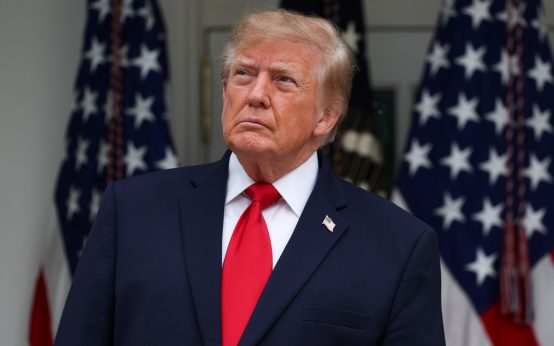 New Mexico Resists Renaming Proposal by Trump
 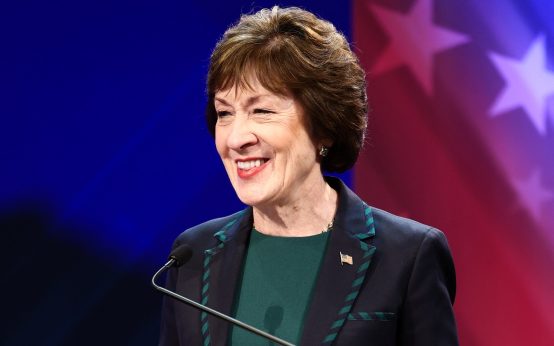 Maine Senate Race and the Impact of Ticket Splitters
 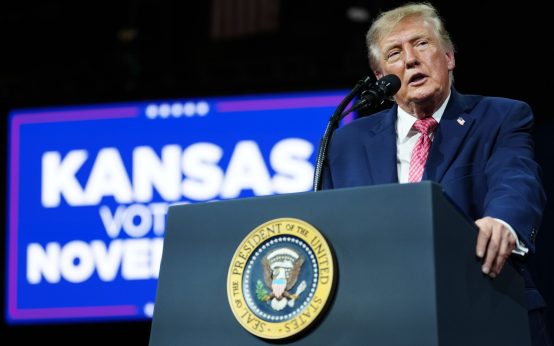 Trump Announces $8 Billion Harvest Fuel Relief Program for Farmers
  Attack on Australian MP Helen Haines: Updates and Reactions
  France at a Crossroads: Examining Social and Fiscal Challenges
  Texas Data Centers Face Criticism Over Water Use Reporting