Over a decade after The Hunting Ground documentary highlighted the issue of how colleges address sexual assaults, a lawsuit involving a former Cornell University student has reignited discussions about campus rape. The lawsuit accuses seven former fraternity members of sexual assault in 2024. This situation prompts many to reconsider the role of Title IX in such cases.
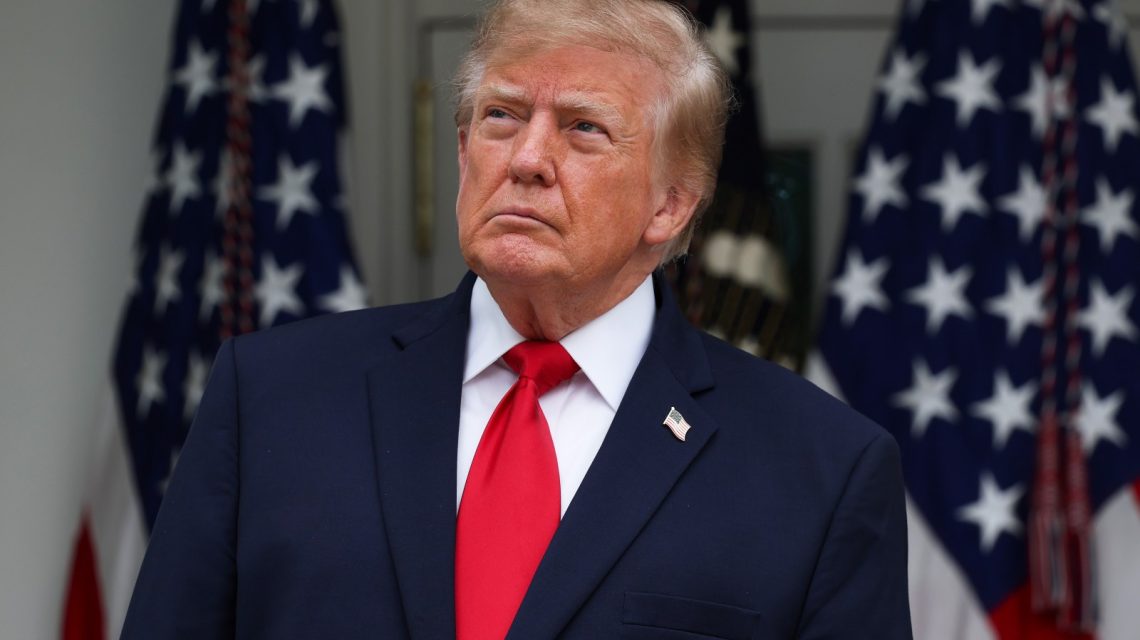
Title IX is a federal civil rights law that prohibits sex discrimination in federally funded educational programs. Since President Donald Trump took office, his Education Department has significantly altered how colleges handle these cases. The 2015 documentary came during a time when the Obama administration was leveraging Title IX to push for more stringent responses to sexual harassment in schools. However, the regulatory landscape has since changed.
Title IX Changes Under Trump
The Trump administration redefined the rules for Title IX cases. These changes imply that while sexual assault is still recognized under Title IX, the regulations regarding how cases are pursued and adjudicated have shifted.
Under the 2020 rules, schools must respond to reports of sexual harassment, which includes assault, dating violence, domestic violence, and stalking. Colleges must have ‘actual knowledge’ of the incidents to trigger Title IX obligations. This standard was more lenient under Obama, requiring notice based on what an institution ‘knew or should have known.’
“The restoration of the 2020 Title IX framework raises serious concerns,” said Caroline Welles, executive director of The First Ask.
The 2020 guidelines require schools to provide accusations, presume innocence of accused students, and hold live hearings. Advisors can cross-examine the parties, with the institution providing an advisor if necessary. These conditions have made the process more daunting for complainants.
Impact on Campus Investigations
The changes have significantly impacted how allegations are handled. Under Trump’s framework, universities must provide equal opportunities for both parties to present evidence. Schools must also dismiss formal Title IX complaints if actions don’t meet the revised definition of sexual harassment or occur outside the school’s program.
Location matters; incidents outside typical campus settings may fall outside Title IX’s scope. Thus, reporting requirements are limited to specific school-associated locations.
Cornell Case and Broader Implications
The lawsuit at Cornell University has brought renewed focus to campus sexual violence. The accused students faced university sanctions, but local authorities initially chose not to file criminal charges. This has prompted a reevaluation of college policies across the nation.
Maryland Governor Wes Moore has instructed the state’s Higher Education Commission to review these policies and offer recommendations. According to interim secretary Elena Quiroz-Livanis, the focus is on setting a local standard, regardless of Washington’s decisions.
Analysis of Reporting Trends
Title IX reporting under Trump’s rules shows nuanced changes. A study in the Journal of Public Health Policy suggested a small decrease in reports of sexual misconduct post-2020 changes. This research compared U.S. universities to Canadian institutions.
Structural Changes in Enforcement
The Trump administration sought to reorganize the Education Department’s Office for Civil Rights (OCR). This included proposed job cuts and office closures, although litigation blocked these actions. OCR received many complaints during this period, but a vast majority were dismissed, covering a range of discrimination issues, not solely Title IX cases.
The GAO questioned the restructuring’s cost-effectiveness and its impact on service improvement. Despite these changes, the federal government maintains the enforcement basis of Title IX against sex discrimination, including clearer investigation procedures.
Secretary of Education Linda McMahon emphasized these actions in a statement, continuing the commitment to uphold equal opportunity.
Future Considerations
While federal protection against sex discrimination persists, further debate surrounds how universities and the justice system ensure accountability. Caroline Welles notes that while universities develop methods to handle allegations, the focus often lies in protecting institutional interests rather than student safety.
 Democrats Face Tough Decision on Federal Scholarship Tax Credit
 Linda McMahon Promotes Educational Reform in Multi-State Tour
 Addressing School Shootings with Children: A Guide for Parents
 College Students’ Views on Free Speech and Criminal Prosecution
 Survey Reveals Concerns Over Higher Education’s Direction
 A Comprehensive Approach to Preventing School Gun Violence