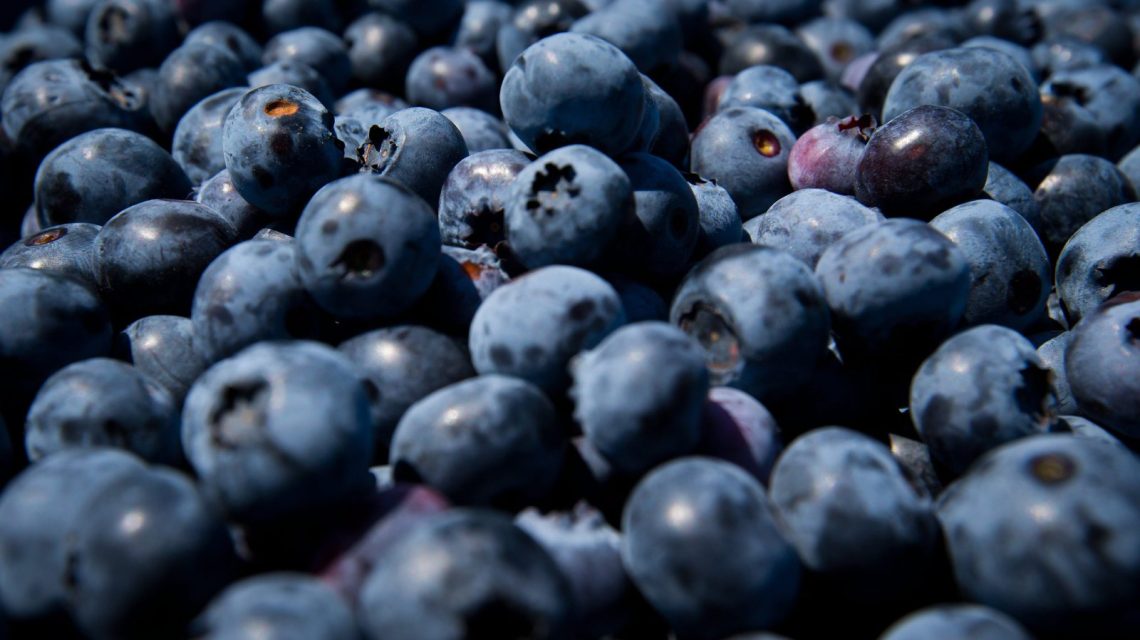
The U.S. Food and Drug Administration (FDA) has issued a high-risk warning for a series of blueberry and mixed berry products recalled due to potential E. coli contamination. These products have received a Class I risk classification, which signifies the highest level of risk according to FDA standards. This classification means there is a reasonable probability that the use of, or exposure to, these products could cause serious health consequences or death.
The affected products include four GreenWise items sold at Publix stores:
- Organic Whole Blueberries – 10 oz – UPC number: 41415-06453
- Organic Whole Blueberries – 48 oz – UPC number: 41415-12053
- Organic Whole Mixed Berries – 10 oz – UPC number: 41415-06753
- Organic Whole Mixed Berries – 48 oz – UPC number: 41415-12153
Publix initiated the recall of all lots of these products on July 29 due to the risk of contamination with E. coli O145. This particular strain is known to cause severe symptoms such as stomach cramps, diarrhea, and vomiting. The products were distributed to Publix locations across several states, including Alabama, Florida, Georgia, Kentucky, North Carolina, South Carolina, Tennessee, and Virginia.
As of July 30, the FDA had identified 12 illnesses in Florida and Georgia related to the outbreak, resulting in four hospitalizations. Fortunately, no fatalities have occurred. The illnesses were reported to have started between May 11 and June 5, with the FDA’s investigation still in progress.
Understanding E. Coli
Escherichia coli, commonly referred to as E. coli, is a bacterium that typically resides in the intestines of humans and animals. While most E. coli strains are harmless and even beneficial, certain strains, like E. coli O145, can lead to serious health issues when ingested through contaminated food or water. This particular strain is a Shiga toxin-producing E. coli (STEC), capable of causing hemolytic uremic syndrome, a severe condition that could result in kidney failure.
Pathogenic E. coli contamination can occur when fecal matter comes into contact with food or water. It may spread through various channels, such as contaminated crops, undercooked meat, unpasteurized dairy products, or inadequate hand hygiene. Individuals at a higher risk of severe illness include children under 5, adults over 65, and those with weakened immune systems.
Broader Implications of Foodborne Illnesses
This recall highlights a broader concern about the global burden of foodborne diseases. Recent research funded by the World Health Organization estimated that food-transmitted parasites caused about 171 million illnesses worldwide from 2000 to 2021. Although E. coli is a bacterium and not linked to the parasites in the study, both cases emphasize the continuous risks posed by harmful organisms in the food supply.
The research found that these parasitic diseases resulted in about 4.89 million disability-adjusted life years, which account for both premature death and years lived with illness. Despite a global decline in such diseases, they still cause substantial suffering, underscoring the need for vigilant surveillance, effective sanitation, and prompt outbreak responses.
For further information, contact Newsweek editors Alfred Joyner and Cristina Diciu.
 Gene Otp’s Role Extends Beyond Brain Development
  Study Finds High Levels of Plastic in Bottled Water
  Debate Over Federal Regulations and Mental Health Care for the Homeless
  Sugary Drinks and Stomach Cancer Risk: New Insights
  Violence in Healthcare Workplaces Sparks Strikes and Demands for Change
  Ebola Outbreak in Eastern Congo