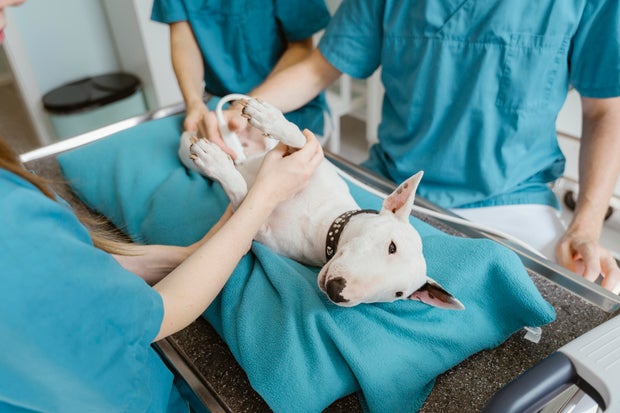
Pet insurance sometimes falls by the wayside when a pet is healthy. This is especially true during times of financial stress. Monthly premiums can feel like an additional burden when money is tight. However, an unexpected veterinary visit can quickly change perspectives. A sudden diagnosis and costly treatment can make pet insurance seem essential.
When faced with a veterinary bill, the priority of buying pet insurance often rises. Pet owners become concerned about future costs. They may wonder how upcoming vet visits will impact their budget. Yet, if a pet recently fell ill, obtaining a policy may not be straightforward. Owners should understand how insurers perceive recent illnesses. They need to be aware of potential restrictions and the actual financial protection a new policy offers.
Can you still purchase pet insurance after your pet becomes ill?
In many situations, buying pet insurance is still possible after a pet becomes sick. The challenge lies in what the new policy will cover.
Pre-existing Conditions: New policies typically exclude pre-existing conditions. Insurance usually covers health issues arising after the policy starts. Most insurers do not provide coverage for conditions that existed before the effective date or during the policy’s waiting period. For instance, if a dog has persistent allergy symptoms before coverage, the new policy likely won’t pay for related treatments unless clearly stated in the agreement. Understanding how insurers define pre-existing conditions is crucial.
Coverage for New Problems: A pre-existing condition does not render pet insurance useless. New, unrelated illnesses or injuries sustained after coverage begins may still be covered. If a cat had an illness prior to enrollment, the insurer might exclude that issue but cover future unrelated problems, such as accidents or new diseases.
Curable Conditions: Insurers vary in how they handle resolved health issues. Some allow temporary conditions to be considered later. ASPCA Pet Health Insurance states certain curable conditions may no longer count as pre-existing after 180 days symptom-free, excluding issues like knee conditions. Embrace might consider conditions eligible after 12 symptom-free months. Reviewing such fine print is crucial if your pet has just recovered from a temporary illness.
Things to Consider When Buying Pet Insurance After an Illness
Multiple factors influence the decision to purchase insurance for a pet with a medical history:
- Definitions of Pre-existing Conditions: Carefully read how the insurer defines pre-existing conditions. Check how far back they review medical records. Ask if they offer a pre-coverage medical-record review to identify exclusions early.
- Eligibility of Curable Conditions: If a previous condition has resolved, learn about the insurer’s policy on curable conditions. Check the duration required before considering it no longer pre-existing.
- Cost Versus Coverage: Compare the premium in relation to actual coverage. Pet insurance costs vary based on factors like species, breed, age, and location. They also depend on selected deductibles and coverage. Evaluate the value of the policy in terms of exclusions and potential protection against future issues.
Buying pet insurance after a pet becomes ill is feasible, but a new policy won’t cover existing conditions. The key is understanding what it protects against now. Assess definitions of pre-existing conditions, examine if cured illnesses might become eligible, and check coverage for other health concerns. Knowing these details helps determine if the protection is worth the expense.
 Family Seeks Treatment for Young Woman with FND
 Understanding ADHD in Adults: A Closer Look
 Recall of ValuHealth Extra Strength Pain Relief Acetaminophen Due to Labeling Error
 Rare Condition Claims Life of NYC Marathon Runner
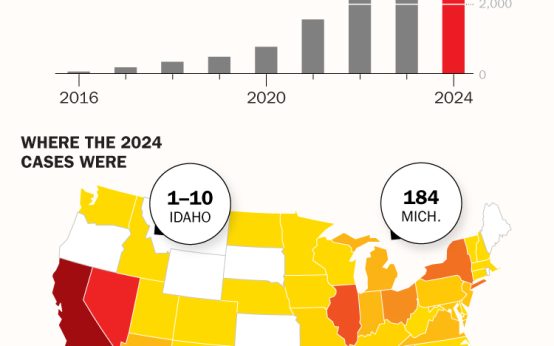 Growing Threat of Fungal Infections in a Warming World
 Representative DeLauro’s ‘Medicare for America Act’: Details and Prospects