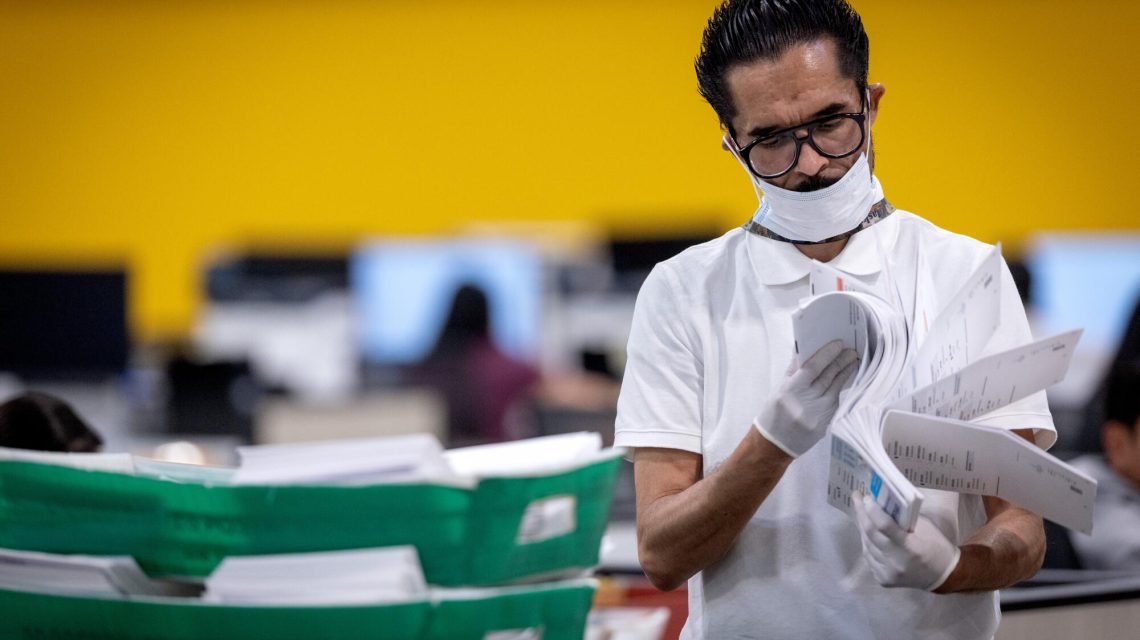
Heightened Preparedness Among City Officials and Civic Groups
Major cities are equipping poll workers with panic buttons. This step aims to safeguard against election skeptics questioning poll operations. County and state officials are formulating plans to handle possible immigration raids near voting sites.
Legal representatives from Democratic states and civic groups are drafting legal challenges against potential ballot seizures. Meanwhile, Democratic aides in Washington are preparing Congress members to address baseless voter fraud claims in competitive districts.
Across California and the U.S., civic organizations, voting rights advocates, and Democratic leadership are anticipating actions from the Trump administration. These actions could aim to disrupt or influence the November midterm elections.
Trump Administration’s Election Stance
For years, former President Trump has labeled the U.S. election system as fraudulent and vulnerable. He has indicated a willingness to take drastic measures for what he terms ‘honest elections.’
Trump is considering unprecedented steps to influence the upcoming elections. These include emergency declarations and military deployments. In a recent statement, he suggested that Republicans should control voting processes in Democratic states.
Despite extensive searches by Trump’s allies, experts affirm there is no substantial evidence of widespread voter fraud in U.S. elections.
“The threats are real, but the preparation is larger and more coordinated than ever before,” said Justin Vail of Protect Democracy.
Scenarios and Legal Preparations
The scenarios being prepared for include deploying troops or immigration agents to intimidate voters and inciting unrest to justify a national emergency declaration. Concerns also extend to claims of fraud in crucial congressional races and using the U.S. Postal Service to interfere with mail ballots.
These efforts reflect an exercise to ensure election security against overreach by the federal government. They highlight a deteriorating trust between state election officials, voting rights advocates, and a federal administration seeking control over state voting processes.
Public Concerns and Democratic Response
As economic frustration grows, Democrats are optimistic about gaining congressional power. However, Trump has hinted that if Republicans lose, it will be due to alleged election integrity issues.
According to a UC Berkeley poll, 61% of California voters consider federal interference a major concern. Senator Adam Schiff noted the high stakes, expressing concern over potential presidential interference.
Legal and Political Preparations
Preparation involves legal readiness among Democratic state attorneys general and civic organizations. Lessons from the violent U.S. Capitol attack on January 6, 2021, underline the urgent need for these measures.
Politically, elected officials are positioning themselves to leverage their platforms against interference, while grassroots campaigns are mobilizing voters to protect local elections.
Potential Interference and Legal Implications
Trump’s denial of his 2020 loss continues to undermine trust in elections. His administration’s actions, including voter roll access attempts and stricter voting requirements, raise concerns about interference.
Legal experts suggest that any attempts by Trump to deploy immigration agents or military troops at polling sites would likely face legal challenges. There is skepticism about the potential impact of Trump’s efforts, given existing legal barriers and court decisions.
Community and Congressional Efforts
Community efforts include debunking misinformation about voting. Organizations like Democracy Forward and Indivisible are engaging voters in civic actions and resistance training.
Congress members are planning for multiple interference scenarios. They are studying local election laws and developing coordinated responses. Congressional task forces aim to address these threats through a combination of litigation, mobilization, and legislative oversight.
Efforts are particularly focused on areas with competitive races or previous issues. California’s recent ballot seizure incidents underscore these concerns.
State and Local Preparedness
California’s Attorney General Rob Bonta highlighted measures against potential federal overreach on voting processes. Dean Logan, an election official in Los Angeles County, is committed to secure election operations. Local mayors are preparing to prevent voter harassment and interference at polling sites.
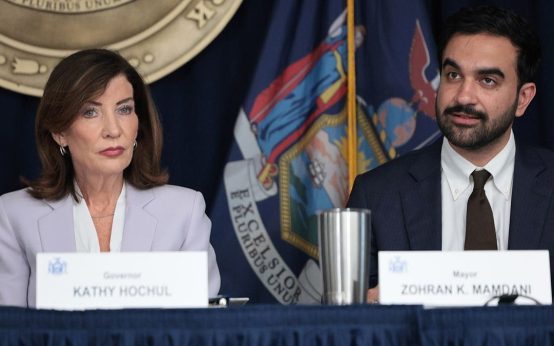 New York Gov. Hochul Criticizes Federal Delay on Counterterrorism Funding
 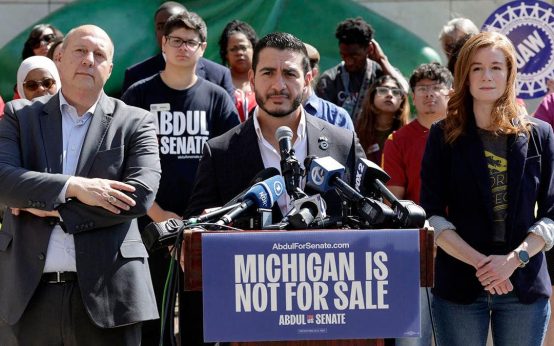 Controversy Over Nervous Speaker at Michigan Senate Candidate’s Event
 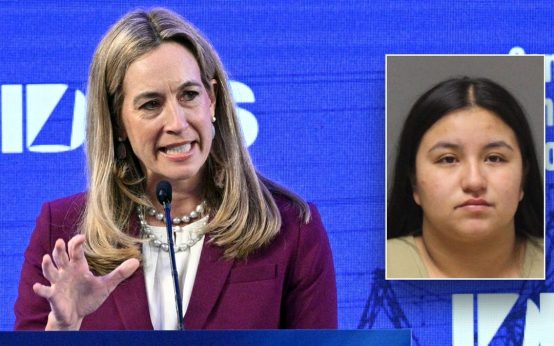 Controversy Surrounds Sanctuary Policies After Tragic Incidents
 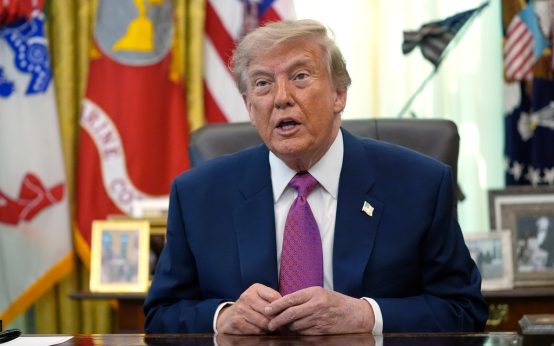 President Trump’s Impact on the Power of the Presidency
 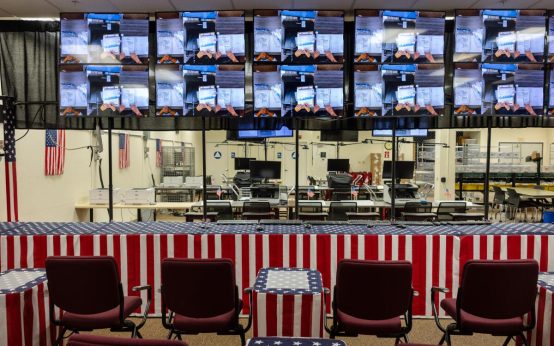 California Election Controversy: Tina Peters Declines Employment
 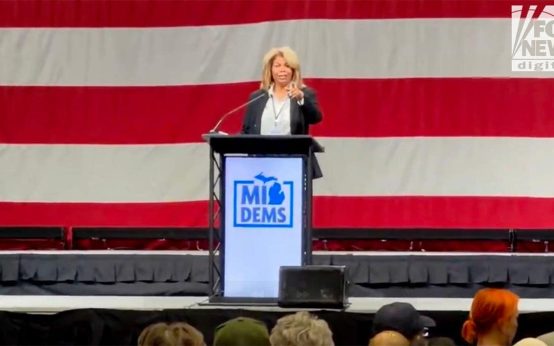 Michigan Democratic Convention Faces Pronunciation Errors and Criticism