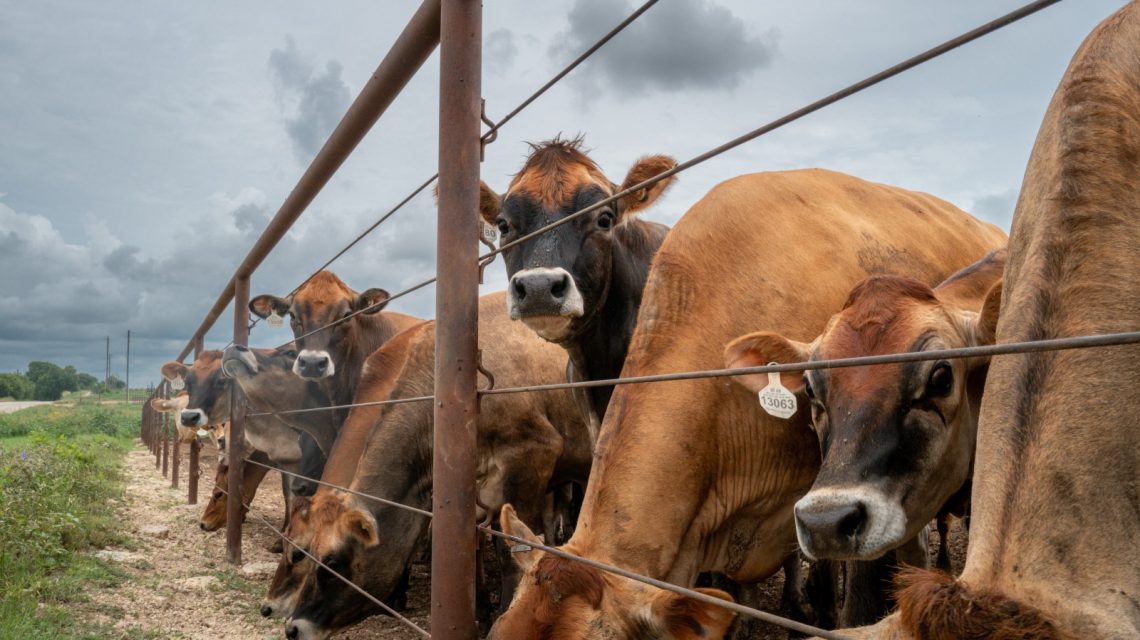
President Donald Trump’s announcement regarding ground beef imports into the U.S., aimed at providing lower prices, has sparked questions and criticism. Trump stated the deal would allow up to 300,000 metric tons of beef to enter the U.S. tariff-free, promising a 25% price reduction. Rising beef prices in the U.S. are a result of reduced cattle herd sizes due to drought, high feed costs, and herd liquidation.
Despite Trump’s intention to stabilize beef prices and support American producers, details remain elusive about the origin of the beef and how prices will be reduced for consumers.
“We have a commitment that this beef will be sold at 25 percent below current market prices,” said Trump.
Trump did not disclose the countries involved, nor did he specify the parties who made the pricing commitment. The deal lacks clarity on whether this discount applies to supermarket prices or wholesale rates. Import duties, known as out-of-quota tariffs, typically apply when certain product quantities are exceeded during imports. Trump’s announcement intended to sidestep these duties while encouraging domestic cattle herd growth.
Import Details and Critical Reception
Industry experts highlight the increased imports from nations like Mexico, Canada, Australia, Brazil, Nicaragua, New Zealand, and Argentina. However, specifics on whether these countries are involved in the deal, including recent agreements like increased import quotas from Argentina, remain undetermined.
The National Cattlemen’s Beef Association criticized the announcement, suggesting it undermines U.S. herd expansion efforts. CEO Colin Woodall remarked that the short-term solution sacrifices long-term stability.
“Underlying supply issues can’t be solved with this kind of Band-Aid approach,” said Darin Parker, PMI Foods President. He advocates for incentives to rebuild a domestic herd.
Republican leaders express concern over the impact on American livestock. Senator Tim Sheehy, representing Montana, argues the decision disadvantages U.S. ranchers, aligned primarily with Trump’s base. Senator Deb Fischer from Nebraska and Senator Jerry Moran from Kansas also voiced opposition, warning of negative impacts on the market and livestock sector.
Newsweek has reached out to the White House for further comment and clarification on the executive order related to this initiative, expected imminently.
 Obama’s Campaign Strategy and Trump’s Nationwide Rallies Before Midterms
  Elon Musk’s Political Contributions and Their Impact on Upcoming Elections
  Republicans Eye Michigan Senate Seat in Tight Race
 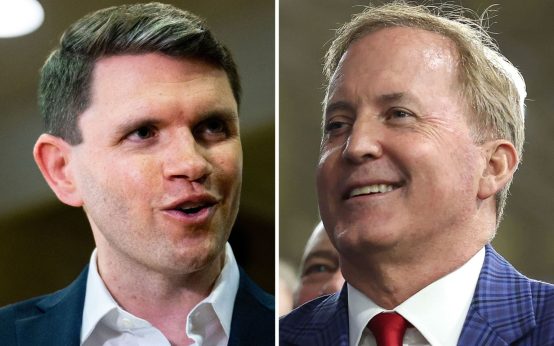 James Talarico’s Campaign Launches TV Ads Targeting Biden and Paxton
 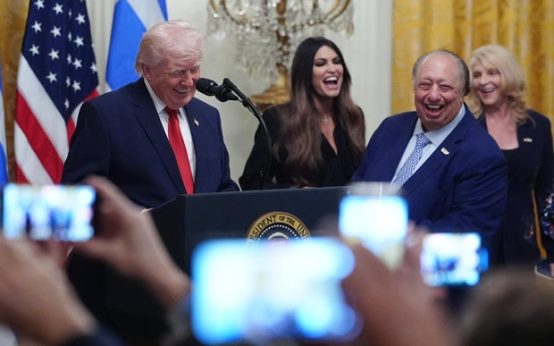 President Trump Considers Firing Ambassador Kimberly Guilfoyle
 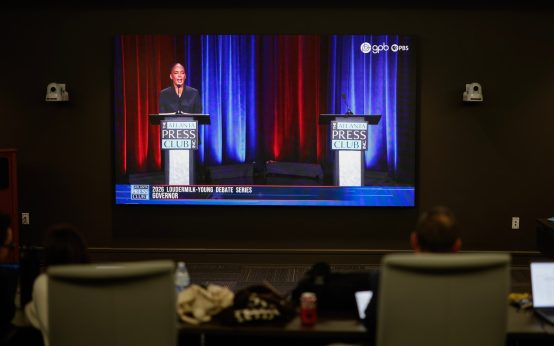 Georgia Gubernatorial Debate and Election Dynamics