
Record-Breaking Heat Waves
This summer saw unprecedented heat waves across Western Europe, setting a new average temperature record for June and July. This follows a previous record set in 2022, as reported by the European climate agency, Copernicus.
Contributing Factors and Effects
The extreme temperatures began in May, contributing to severe wildfires, prolonged droughts, and new national temperature records. The heat waves also raise concerns about thousands of potential heat-related deaths.
Global Temperature Trends
Globally, 2026 is currently the third hottest year, following 2024 and 2025, according to climate data. However, with ongoing warm temperatures and phenomena like El Niño, 2026 might catch up by year’s end. El Niño, which involves warming parts of the Pacific Ocean, affects global temperature variations.
A person rests in London’s shade during the intense June heat.
Record Sea Surface Temperatures
July saw the highest average sea surface temperature for ocean areas not covered by seasonal ice, driven by emerging El Niño conditions in the Pacific. The new average for July was 20.96°C (69.73°F), surpassing the 2023 record.
Global Air Temperature Records
Despite these conditions, July’s average global surface air temperature was 16.90°C (62.42°F), making it the second warmest July, equalling July 2024.
Western Europe Specifics
For Western Europe, the average temperature during June-July reached 21.62°C (70.92°F). Persistent high-pressure systems trapped heat, intensifying both heat extremes and droughts. Dried-out soils lose cooling capabilities, further increasing heat.
Samantha Burgess, from the European Centre for Medium-Range Weather Forecasts, emphasizes climate change’s role in exacerbating these heat extremes.
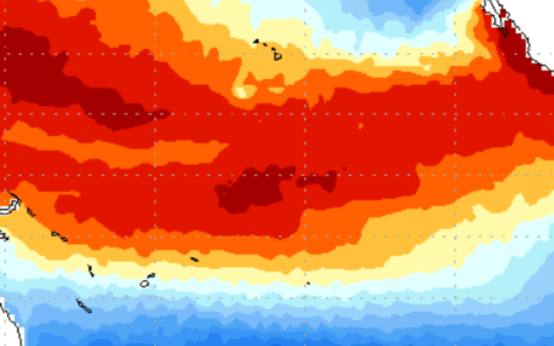 El Niño’s Impact on Pacific Ocean Temperatures
  Arizona Voters Prioritize Water Concerns in Upcoming Midterms
  Trump Announces Energy Ceasefire Between Russia and Ukraine
  Record Loggerhead Sea Turtle Nesting on Georgia Beaches
 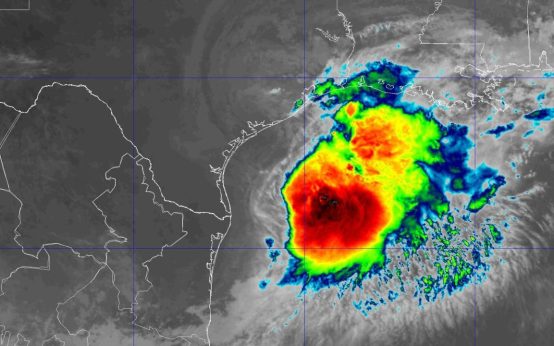 2026 Atlantic Hurricane Season Overview
 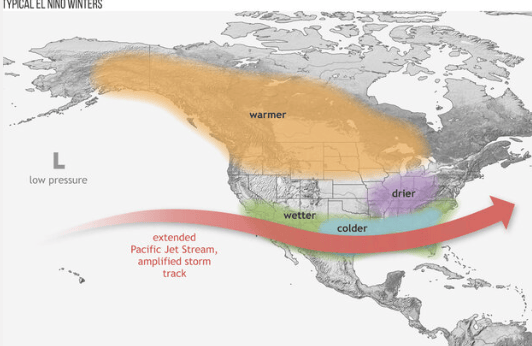 Winter Heating Costs: EIA’s 2026 Forecast