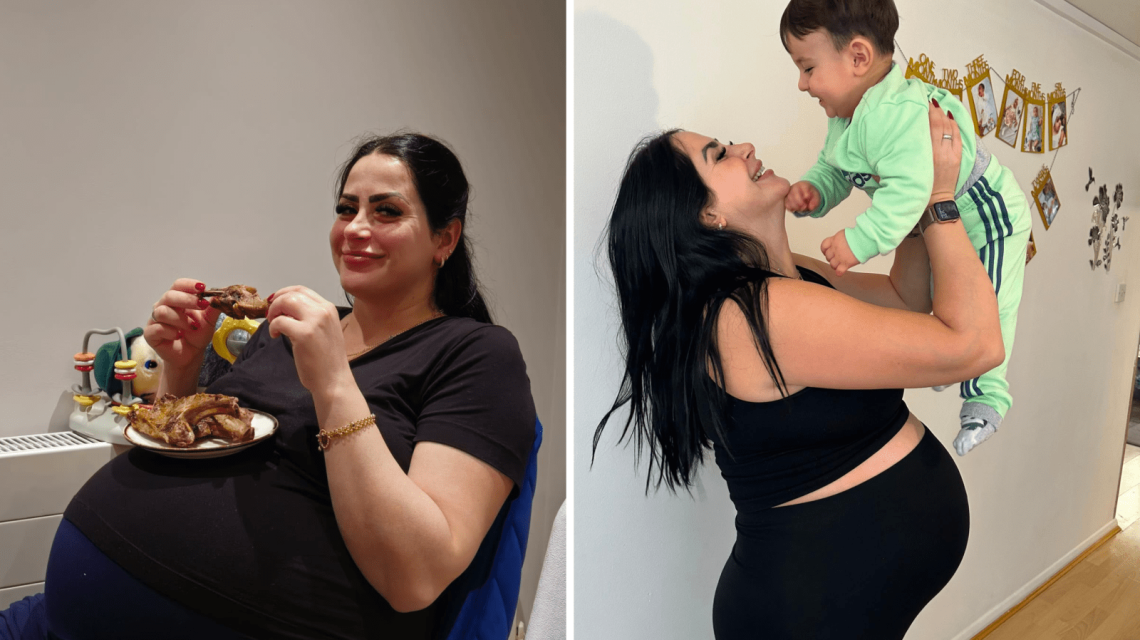
Being the first in my family to expect twins felt miraculous. However, at five months pregnant, I experienced an unexpected, sharp chest pain. It left me struggling for breath and covered in sweat. I initially dismissed it as a pregnancy symptom. During a checkup, I mentioned it, and they suggested the twins might be causing organ pressure.
As time passed, the pain increased in frequency, evolving from monthly to daily occurrences. This continued even after my sons were born, now 18 months old. The pain began to interfere with daily life, instilling fear in me about venturing outside with my young children.
Episodes left me unable to hold my babies. In desperation, I punched the painful area, hoping for relief. Two months postpartum, I contacted my doctor due to being unable to endure it any longer. Thankfully, they referred me to a gastroenterology team, who identified gallstones.
The pain seemed unpredictable, often waking me at night, making me believe I was experiencing a heart attack. Amidst caring for three children under two, I felt exhausted, both mentally and physically.
I was scheduled for a gallbladder removal, but a doctor’s suggestion led to an MRI of my liver. Two days later, I was urgently booked for a PET-MRI scan. I thought there must be a mistake.
Realizing the seriousness of a PET-MRI scan through research, panic set in. Two weeks later, I was informed I needed a DOTATATE PET scan, commonly used for diagnosing neuroendocrine tumors (NETs). This news left me in emotional turmoil.
Amongst family support, I attended an appointment with a consultant. I asked if I had cancer, and my fears were confirmed—I was diagnosed with pancreatic neuroendocrine tumors (pNETs).
The words ‘lucky’ felt paradoxical as my world seemed frozen by the diagnosis. Coping with the implications for my family and children was overwhelming.
Surgery to remove my spleen, half of my pancreas, and gallbladder was recommended. The tumor was initially 1.7 centimeters and believed to be slow-growing, pressing the need for immediate treatment.
The period before surgery was marked by unmatched fear and anxiety. Yet, I found strength in the support from friends and family.
After the surgery on June 29, the tumor had grown to 2.5 centimeters. I became seriously ill afterward due to increased infection risk post-spleen removal. I required hospital treatment for persistent symptoms.
Pathology results indicated cancer spread to blood vessels and lymph nodes. Continuous monitoring was necessary due to recurrence risk. Future cancer monitoring with regular scans and checkups became part of my life.
My mental health faced significant challenges. Since the surgery, the pain disappeared. I often reflect on my fortune, recognizing the early cancer detection.
My experience taught me the unpredictability of life. It influenced my appreciation for life itself, urging me to embrace each day and cherish every moment.
Sultan Altun, 33, previously worked as a compliance manager in the healthcare sector in London.
For story coverage: Sirena Bergman and Emma Lee-Sang, Newsweek editors.
 A Woman’s Journey to Breast Cancer Diagnosis and Advocacy
  Baby Boomers’ Economic Impact on U.S. Markets
  Federal Focus on Kratom-Derived Products
  Link Between ADHD and Dementia Risk Explored
  The Role of Advocates in Patient Care
  The Financial and Marketing Challenges in Aspiring to Become a Top Racing Driver