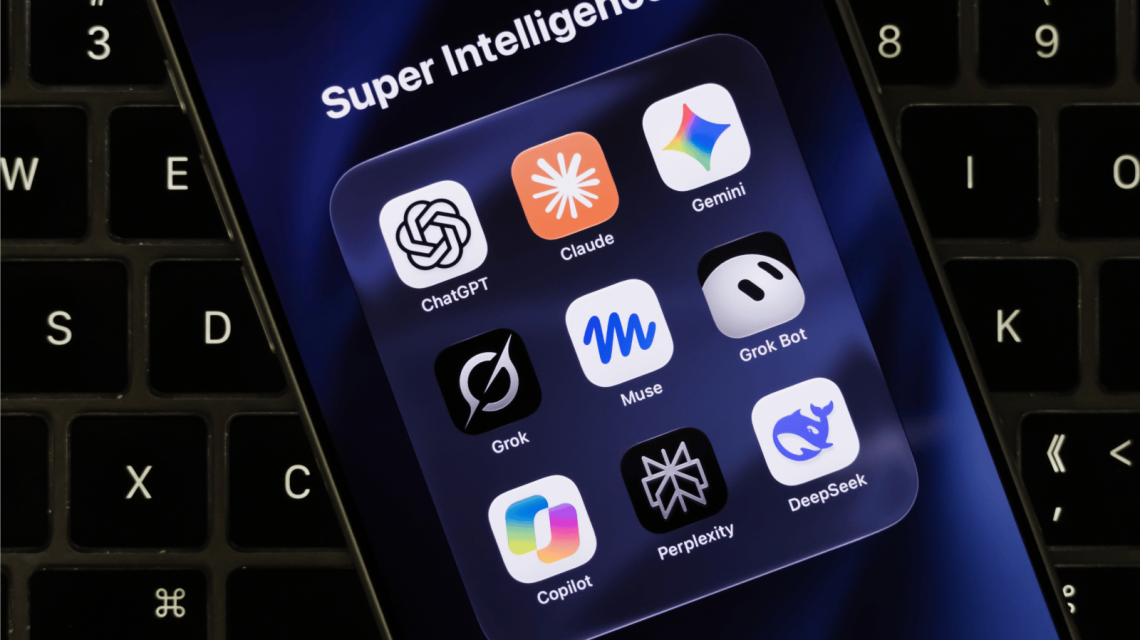
President Donald Trump’s initiative to replace ‘artificial intelligence’ with ‘super intelligence’ is drawing attention from key figures in Silicon Valley and Republican lawmakers. The transition, however, faces resistance from major tech firms, which have yet to abandon the established AI term.
On September 29, Trump issued an executive order instructing federal agencies to adopt ‘Super Intelligence’ and ‘SI’ in official documents, arguing that this new terminology better captures the technology’s evolving potential. This move coincided with a meeting at the White House attended by prominent technology leaders.
Industry Adoption
Jensen Huang, CEO of Nvidia, has been an outspoken supporter of Trump’s rebranding. Nvidia announced a $1 billion investment in U.S. science, adopting the ‘super intelligence’ terminology. Highlighting this commitment, Huang mentioned President Trump’s vision for a renewed era of American innovation, aligning with Trump’s preferred language.
Meta CEO Mark Zuckerberg has also embraced superintelligence, though independently of Trump’s order. Meta’s focus on ‘personal superintelligence’ was outlined in a 2025 announcement. Zuckerberg emphasized the importance of equitable access to this technology, seeing it as a key industry challenge.
Elon Musk is another proponent, announcing his intention to rename SpaceXAI to SpaceXSI. Musk deemed ‘SI’ a superior term and confirmed plans to rebrand the company accordingly.
Meanwhile, Salesforce’s Marc Benioff embraced the change by renaming the AIForce agent platform to ‘SIForce.’ He declared the arrival of the ‘Super Intelligence’ era in his announcement.
Microsoft CEO Satya Nadella, while using the new terminology, has not followed it up with product rebranding. In a recent post, he discussed the need for reliable safeguards in the ‘Super Intelligence Era,’ proposing methods to ensure model trustworthiness.
Resisting the Shift
Not all executives who attended Trump’s meeting have followed suit. Despite signing the White House Accord on Super Intelligence, some companies continue using the AI term.
Anthropic still references ‘AI’ in its communications, highlighting the ongoing use of AI for various applications. Similarly, Amazon Web Services maintains its ‘Artificial Intelligence’ section on its blog.
Republican Support
Among Republicans, terms defined by Trump are gaining traction. House Speaker Mike Johnson referred to business leaders as ‘super intelligence industry leaders’ after meeting Trump. Senator Joni Ernst used ‘Super Intelligence (SI),’ though she clarified the term as synonymous with AI. Senator Bernie Moreno praised Trump’s initiatives for the technology’s responsible development.
This ongoing debate over terminology reflects broader discussions on advancing and regulating technology responsibly.
Newsweek’s AI assistant, Martyn, contributed to this story. Contact editors Ben Kelly and Sam Wilson for more information.
 Elon Musk Increases Political Contributions Ahead of Midterms
  DIRECTV’s Flexible Streaming Options
  French Supermarkets Hit by Cyberattack Affecting Refrigeration Systems
  Pennsylvania’s New Tracker Highlights Data Center Development Amid AI Debate
  The Role of AI in Economic Growth Amidst Rising Debt
  Safeguarding Your Finances Against Cyber Threats