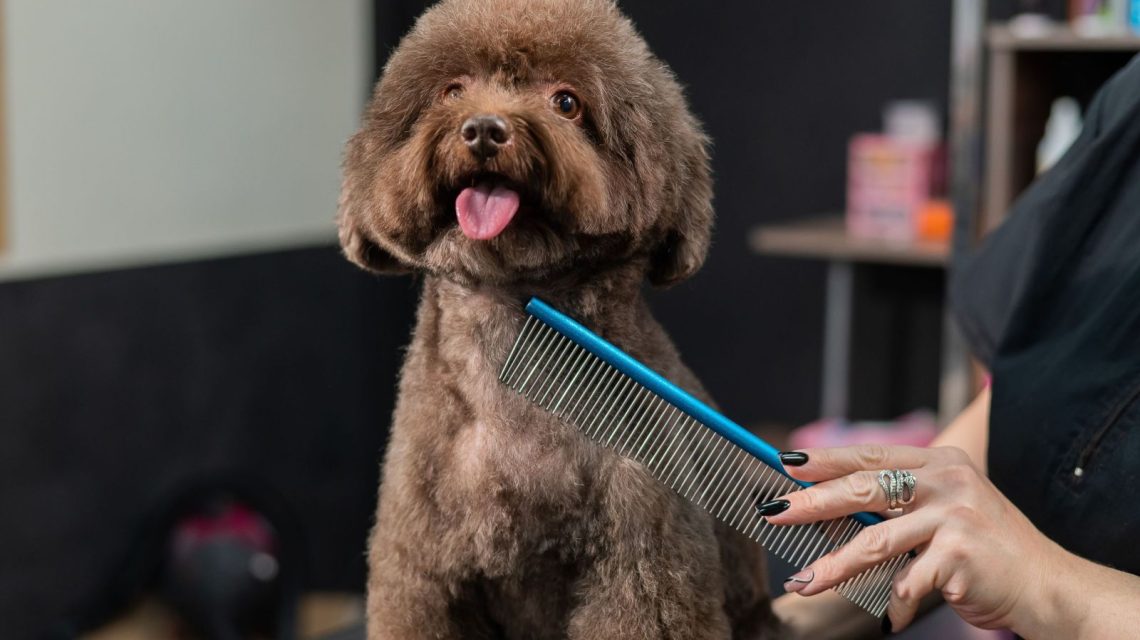
Reasons Behind Behavioral Changes in Dogs After Grooming
After a trip to the groomer, dogs often exhibit changes in behavior, leading owners to wonder about the reasons for these transformations. Dr. Kathryn Dench, chief scientific adviser at Paw Origins, provides insights into plausible causes.
Physical Comfort and Movement
Many changes stem from physical comfort improvements. Removing mats, excess coat, and dirt can prevent skin pulling and ease movement. Overgrown nails impact posture, so trimming them can lead to noticeable changes in gait and how dogs carry themselves.
A dog once cautious due to discomfort may now appear relaxed and more self-assured.
Impact of Positive Attention
Behavioral factors also play a role. After grooming, owners often express enthusiasm toward their dog’s fresh appearance. Praise and affection can reinforce confident behaviors like tail wagging or playful demeanor.
Dogs may seem proud of their new haircut, but they’re often responding to increased attention and positivity from their humans.
Sensory Effects of Grooming
Grooming can serve as a sensory reset for dogs. Relaxing aspects such as brushing, handling, and hair removal impact dogs positively, especially if they’re comfortable with grooming routines.
A known groomer and consistent routines can contribute to a calming experience, allowing dogs to feel socially engaged.
While some dogs enjoy losing a heavy coat, responses vary. Grooming stress can occur if dogs dislike being handled or encounter unfamiliar stimuli during appointments.
Signs of Stress Versus Confidence
If a dog returns home trembling or avoiding touch, stress may be the underlying issue, not newfound confidence.
Paying attention to behaviors post-grooming helps identify if a dog is experiencing stress rather than confidence.
Owners should introduce grooming positively, respecting each dog’s comfort level.
Visual Changes and Owner Perception
Owners may perceive their dogs differently post-grooming. A trimmed face makes eyes more visible, while a lighter coat alters posture.
Dr. Dench notes that visible expressions may increase, although not necessarily indicating increased confidence.
Though there’s no research-backed statistic on grooming-induced confidence, improved physical comfort and positive attention lead to observed behavioral changes.
It’s essential for owners to distinguish between genuine confidence boosts and changes due to comfort and interaction.
Understanding these factors can provide clarity regarding their dog’s behavior after grooming.
For editorial assistance on this story, contact Rebecca Flood and Anthony Murray at Newsweek.
 6-Year-Old Chinese Girl Sets New Rubik’s Cube World Record
  Empire State Building: An Airship Dream That Defined a Skyscraper
  Unusual Cold Snap Brings Frost and Snow to Western U.S.
  Quantum Physics Enhances Random Number Generation