In Kim Stanley Robinson’s novel, The Ministry for the Future, the opening scene depicts a catastrophic heat wave in India, which kills millions and motivates global action against climate change. While fiction, the scenario underlines warnings by scientists about increasing severe weather events due to climate change. These predictions, once seen as fictional exaggerations, now loom as possible realities.
Daniel Swain, a climate scientist at the California Institute for Water Resources, emphasizes the urgency of recognizing these risks, warning that dismissing them as exaggerations could be perilous. He highlights the importance of understanding real threats to be prepared.
Scientific warnings about extreme weather have been consistent over time. Historical experiments by Eunice Newton Foote in the 1850s demonstrated how greenhouse gases, especially carbon dioxide, accelerated warming. Her findings prefigured the modern challenge: an Earth increasingly heated by greenhouse gas emissions.
The United States, historically the largest emitter of these gases, faces criticism over its climate policies. Former President Donald Trump dismissed climate change concerns, even labeling policies addressing them as scams.
The current era is marked by noteworthy extreme weather events worldwide. Australia’s “Black Summer” wildfires and Pakistan’s massive flooding demonstrate the scale of devastation possible. Climate scientist Sarah Perkins-Kirkpatrick warns that even achieving net-zero emissions won’t immediately halt these events due to the lingering effects of accumulated carbon dioxide.
Wildfires exemplify climate risks increasingly relevant in today’s world. Robinson’s novel, despite its fictional account, reflects growing concerns about the multiplicity of threats environmental catastrophes present. Preparing for such threats, though daunting, involves both recognizing risks and implementing solutions.
Reluctance to confront dire scenarios often hampers proactive measures against climate change. Maria del Carmen Lopez and her family’s experience with wildfires in Spain exemplify the devastating impact of calamities caused by extreme weather.
Sonia Seneviratne, a climatologist, compares climate risk awareness to smoking-related health warnings. While predictions can’t pinpoint exact timelines, the patterns and increasing frequency of events should encourage action.
Learnings from earthquake preparedness in California, led by Lucy Jones, illustrate the potential of readiness. Her initiatives brought significant changes in infrastructure to mitigate earthquake damage, serving as a model for climate disaster preparedness.
Cinematic depictions of climate disasters often highlight a pessimistic outlook. Movies like The Day After Tomorrow and Don’t Look Up starkly contrast with non-final extremes, but underscore meaningful dialogues about possible outcomes.
Extreme weather events, driven by human-generated greenhouse gases, continue escalating. Historical emissions reaching unprecedented levels over recent decades pose substantial challenges.
Scientists note the acceleration of climate impacts previously underestimated. For instance, predictions underestimated extreme heat occurrences in the UK until temperatures soared, surpassing anticipated thresholds.
Environmental tipping points have become increasingly concerning. Coral bleaching due to heat stress threatens vast marine ecosystems. The Amazon rainforest, a crucial carbon sink, is vulnerable to irreversible damage from persistent drought and deforestation.
The current El Niño cycle, predicted to be record-breaking, could compound climatic damage. These trends indicate a trajectory toward intensified destabilization.
Tim Lenton from the University of Exeter asserts the necessity of discussing worst-case climate scenarios, highlighting the anticipation of greater shocks on the horizon. His perspective calls for heightened vigilance and readiness.
For detailed coverage on climate issues, reporter Peter Prengaman from The Associated Press can be reached for insights. The AP’s environmental reporting, funded by non-profit foundations, adheres to stringent content standards.
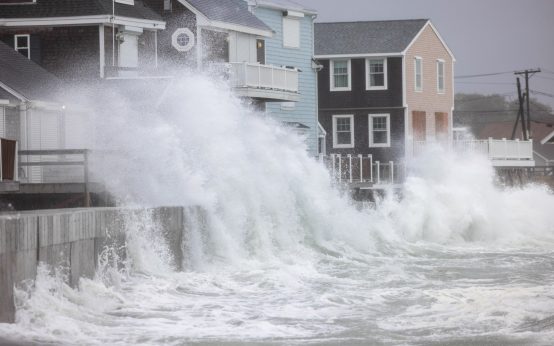 Nor’easter Threatens U.S. Coastal Areas Amidst Quiet Hurricane Season
 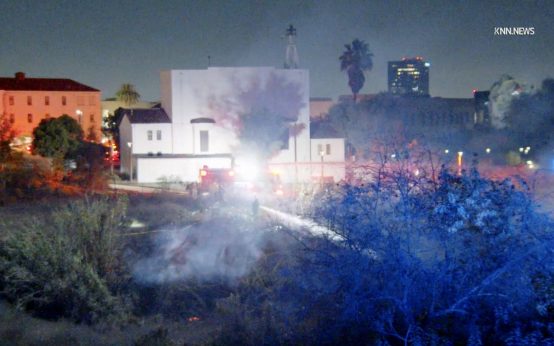 Southern California Faces Santa Ana Winds and Elevated Wildfire Risks
  Santa Ana Winds and Wildfire Risks in Southern California
  Historic Preservation Advocates Battle Changes Threatening Landmark Protections
  Alaska’s Soil and Agricultural Challenges
 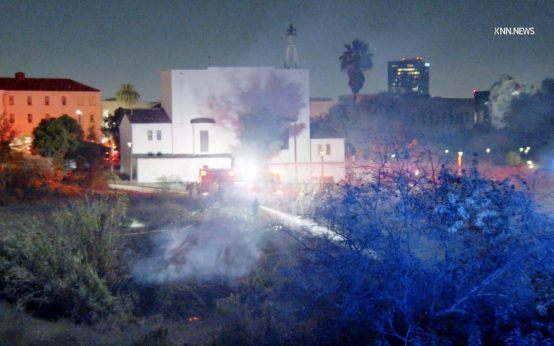 Southern California Faces Santa Ana Winds and Fire Risks