If you have been diagnosed with plantar fasciitis, examining your footwear is crucial. According to Dr. Priya Parthasarathy, a podiatrist at the Foot & Ankle Specialists of the Mid-Atlantic, wearing supportive, well-structured shoes is essential in treating the condition. This condition causes discomfort in the plantar fascia, a ligament along the foot’s bottom. Improper shoes can worsen pain and delay recovery.
To alleviate discomfort, there are specific features you should look for in sneakers, as suggested by podiatrists, including:
- Arch support
- Deep heel cup
- Firm heel counter
- Thick sole
- Rigid yet semi-flexible feel
- Stable base
- Removable insoles
Below, we outline how to spot sneakers that support foot health and relieve plantar fasciitis rather than aggravate it. We also include podiatrist-recommended brands like Hoka, Brooks, New Balance, and Skechers.
Finding Sneakers for Plantar Fasciitis
There is no single best sneaker for plantar fasciitis since individual needs vary. Consider factors like arch type, foot width, and personal fit preferences. The list below showcases podiatrist-recommended options for daily wear and exercise. Each sneaker meets expert criteria for comfort and support.
Some shoes have the American Podiatric Medical Association’s Seal of Acceptance, which indicates they meet specific foot health standards. However, shoes without the seal might still fit your needs, as they may not have been reviewed by the APMA yet.
Best for Neutral Arches
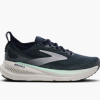
The Brooks Glycerins are popular among those with plantar fasciitis and neutral arches. With a wide base and strategically placed foam for shock absorption, they offer stability and comfort for all-day wear.
Best for High Arches
The Hoka Bondi 9 features a rocker-shaped outsole to reduce stress on the plantar fascia. Its thick cushioning provides shock absorption, essential for high arches. Be cautious with balance, as they may feel unstable for some.
Best for Flat Feet (Low Arches)
For plantar fasciitis and flat feet, the Brooks Adrenaline GTS sneakers are advisable. They include a stability system to reduce overpronation, an important feature if you typically use orthotics.
Best Slip-Ins
The Skechers Aero Burst sneakers, favored by Dr. Parthasarathy, are easy to wear and provide comfort for prolonged standing and walking. They have a firm heel counter and stabilizing features to keep feet secure.
Best for Walking
The Hoka Clifton offers a balanced cushioning and a lightweight feel, suitable for various foot types and activities. It encourages forward movement while providing support.
Best Neutral Running Shoe
New Balance’s Fresh Foam X 880v15 is a well-cushioned, straightforward running sneaker, ideal for neutral arches. Its soft foam provides both comfort and a supportive bounce.
Best Stabilizing Running Shoe
The Asics Gel Kayano 32, recommended by Dr. Pourziaee, features maximum shock absorption and stability, suitable for those with plantar fasciitis, flat feet, or neutral arches.
Best for Everyday Wear
The New Balance 990v6 is recommended for everyday use due to its firm heel counter and sturdy structure. It’s suitable for varied activities like errands and work.
Criteria for Choosing Sneakers
When selecting sneakers, consider the following features:
- Arch Support: Determine whether your arches are neutral, flat, or high to select appropriate support.
- Deep Heel Cup: Provides heel support and absorbs shock.
- Firm Heel Counter: Maintains stability and prevents excess foot movement.
- Well-Cushioned Midsole: Shock absorption reduces impact on the feet.
- Balance of Structure and Flexibility: Ensure the shoe supports movement without being overly rigid or flexible.
- Removable Insole: Allows for custom orthotic inserts, offering personalized support.
Consider the activities you’ll engage in, such as running or walking, to ensure you choose an appropriate shoe.
Frequently Asked Questions
- Replace sneakers every 300 to 500 miles. Support decreases over time, impacting conditions like plantar fasciitis.
- Treatment includes supportive footwear, stretching, icing, and orthotics. Consult a podiatrist for a tailored treatment plan.
- Avoid unsupportive shoes, flip flops, sandals, and high heels that lack adequate arch support, cushioning, and stability.
Medical experts like Dr. Priya Parthasarathy and Dr. Bobby Pourziaee offer trusted advice based on professional experience. NBC Selected ensures expert recommendations are unbiased and free from financial conflicts.
 Nordstrom’s Sale Offers Discounts on Top Brands
  Susie Wiles Shares Her Journey to Becoming Cancer-Free
  The Cultural and Culinary Significance of Vegemite
  Exploring the Museum of Bad Art
  Mother Struggles with Teen’s Coldness Over Work Contest
  Tofu Tops Protein Source Rankings in New Analysis