
Democracy Dies in Darkness. Scott Bessent’s threats may appear ineffectual if the U.S. ignores China’s ongoing commercial activities with the regime.
On August 24, 2026, Treasury Secretary Scott Bessent unveiled new sanctions related to Iran. Following six months characterized by intermittent bombing campaigns in Iran—a strategy marked by unsuccessful attempts at negotiating a comprehensive agreement with the Iranian regime—President Donald Trump is pivoting towards a more sustainable approach: economic containment.
The decision signals a shift in policy focus, emphasizing strategic pressure through economic measures. Dialogue has repeatedly faltered, leading the administration to reconsider its tactics to influence Iran’s political and economic landscape. The new sanctions aim to restrict Iran’s economic capabilities, potentially influencing its geopolitical behavior.
China’s involvement remains a critical factor; continued business dealings with Iran could undermine U.S. efforts. The effectiveness of these sanctions hinges on international cooperation and alignment amongst global economic powers.
 Tragic End to Search for Missing Australian Hiker
  Private Meeting Signals Potential Cross-Party Collaboration in U.S. Politics
  Democratic Candidate Crowley Emphasizes Shared Goals in Wisconsin
 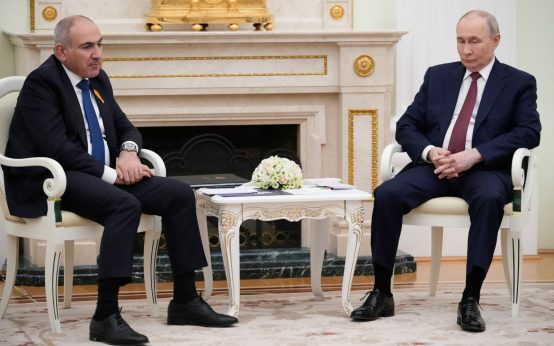 Armenia’s Shift from CSTO and Its Geopolitical Implications
 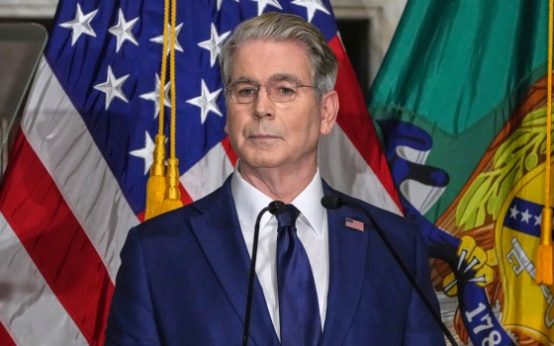 Treasury Secretary Announces Economic Pressure on Iran
 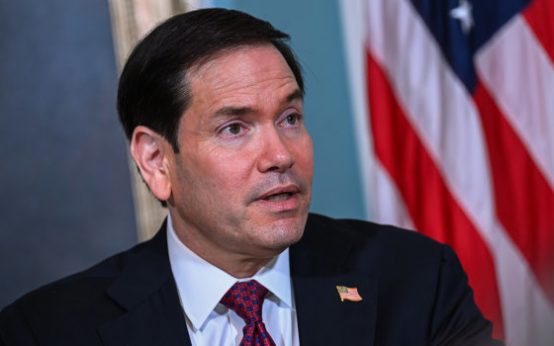 U.S. Set for Largest Ever Visa Revocation Targeting Asylum Seekers