Navy Families Face Uncertainty After Abrupt Evacuations
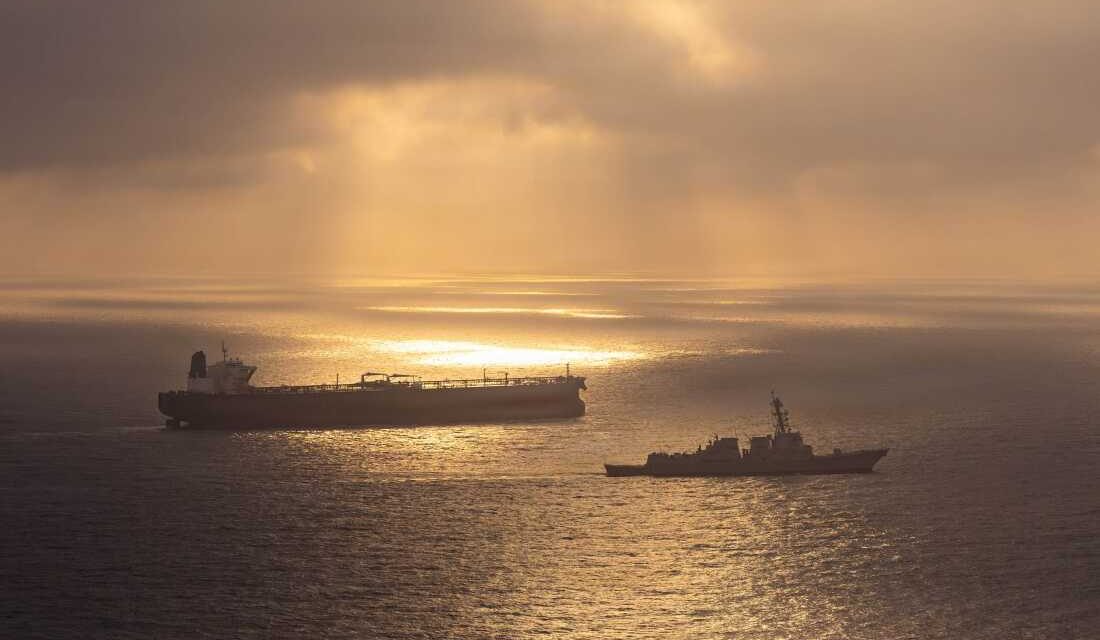
A U.S. Navy ship, the USS Rafael Peralta, is actively involved in a maritime blockade against an Iranian-flagged vessel. The photo of this operation was released by the U.S. Central Command.
In a recent virtual town hall meeting, Navy families who had to evacuate Bahrain six months ago expressed frustration over the lack of clear answers regarding their situation. NPR reviewed the meeting, which included a list of questions from families to Navy officials. These families left Bahrain quickly with limited belongings following the onset of the U.S.-Iran conflict. Many still reside in temporary housing around the world.
Challenges in Addressing Prolonged Displacement
During the call, attended by around 580 participants, Vice Adm. Curt Renshaw, head of the Navy’s Fifth Fleet, discussed the challenges posed by the swift evacuations. He acknowledged that the Navy has been improvising due to the unforeseen duration of the displacement. Initial expectations were for a brief evacuation, similar to past conflicts.
Vice Adm. Renshaw explained, “Unfortunately, the situation has grown into a larger challenge than anticipated, delaying hard decisions regarding the possibility of families returning to Bahrain.”
Navy Dependents in Limbo
The conflict has affected 1,300 dependents of Navy personnel in Bahrain. A Navy spouse, who remains anonymous to protect her husband’s career, shared her struggles. She has relocated eight times in under six months and is currently in the U.S. as her husband serves in Bahrain.
With school starting, she faces increased out-of-pocket expenses to maintain stability for her children. “I am alone in a state with minimal military presence,” she stated. “It’s lonely and exhausting as people don’t understand the implications of the war.”
Efforts to Provide Permanent Solutions
The State Department is ending the ordered departure that governs the evacuation. Different rules affect how families get paid under these orders. The Navy encourages families to choose permanent locations as it evaluates the future for those assigned to Bahrain.
Some spouses worry the Navy delayed too long, hoping for a return to normalcy. Many have incurred additional expenses, like buying new vehicles and clothes. Others have been in Bahrain for over a decade, awaiting clarity on visa statuses.
Vice Adm. Renshaw acknowledged outdated regulations, such as the rental car payment cap unadjusted since the 1990s. Naval Support Activity Bahrain, a key supply hub, faces restrictions due to proximity to Iran.
Uncertainty in Returning to Bahrain
Some families wish to return, but military analyst Mark Cancian believes the conflict may permanently alter operations in the Middle East. “The families won’t go back there anytime soon, as it’s too dangerous,” Cancian stated.
After six months of conflict involving a U.S. naval blockade and two aircraft carriers, Cancian predicts the conflict will continue beyond the midterm elections.
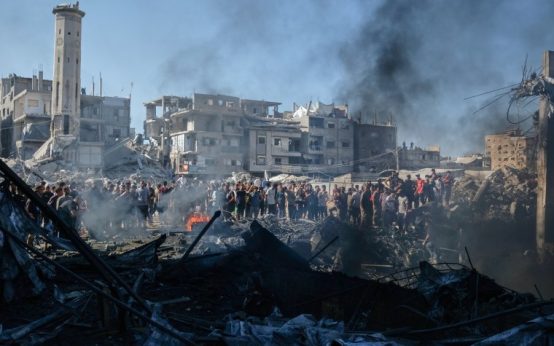 Tensions Escalate in Gaza as Israeli Airstrikes Continue
  U.S. Removes Syria from Terrorism Sponsor List: Path to Economic Recovery Opens
  Tragic End to Search for Missing Australian Hiker
  U.S. Strategy Towards Iran Shifts to Economic Containment
 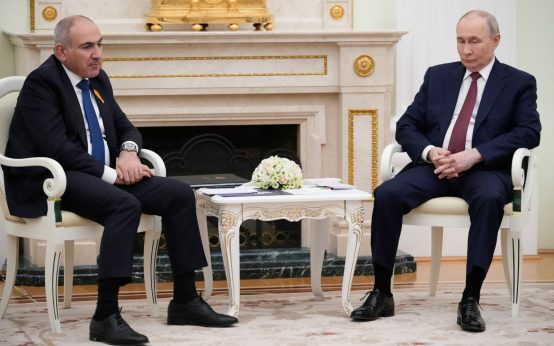 Armenia’s Shift from CSTO and Its Geopolitical Implications
  Historic Opportunity for a Female UN Leader Faces Challenges