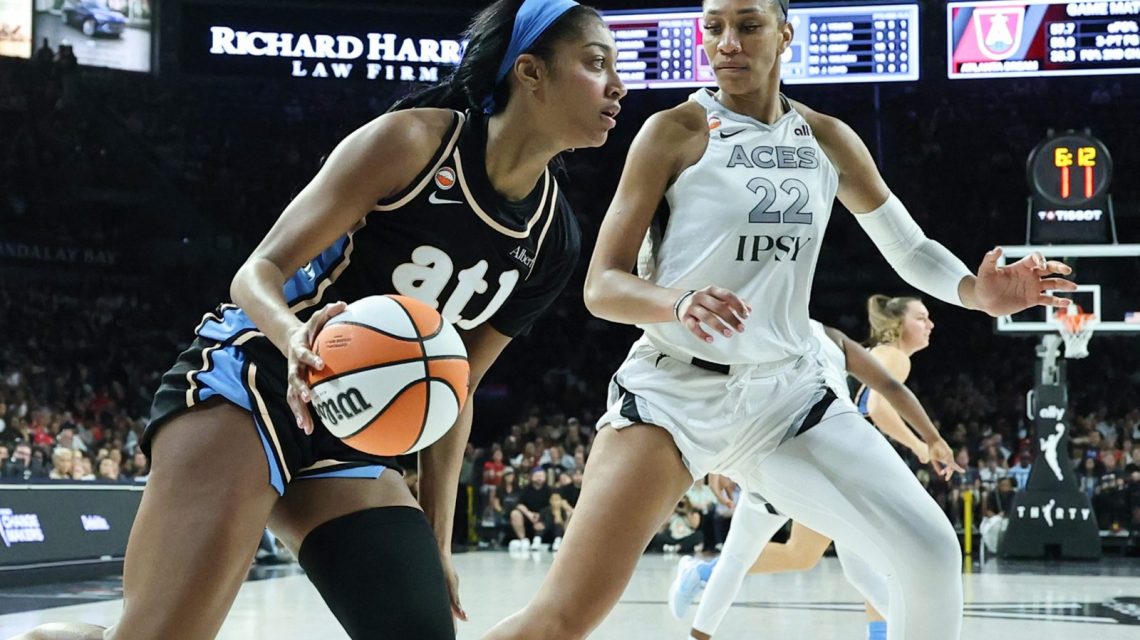
As the primary care sports medicine doctor for the New York Liberty basketball team and a former Division I athlete, Dr. Ashley Austin has encountered numerous sports injuries. Injury prevention, treatment, and recovery are integral parts of an athlete’s life. Despite the increasing focus on women’s sports, medical understanding of treating female athletes remains limited.
Need for Women’s Sports Science
Investment in women’s sport science is crucial, not only for elite athletes but also to enhance care for women and girls in general healthcare. Historically, women were underrepresented in medical research. Prior to 1990s congressional mandates, female participants were rarely included in trials. In the 1970s, the FDA advised excluding women of childbearing age. Male bodies were considered the norm, with all-male trial results applied to women. Women, however, have distinct anatomies and physiologies, impacting how they respond to physical activity as they age.
Anatomical Differences and ACL Injuries
Women are more prone to ACL injuries, especially in basketball, where they are over three times more likely to tear their ACL compared to men. Most tears occur without knee contact, originating from landing and pivoting movements.
Women’s distinct anatomical features contribute to this disparity. A wider pelvis and hips alter knee biomechanical loading, heightening injury risk without targeted prevention programs. Hormones also influence ligament integrity. Women typically employ quad muscles over glutes, hamstrings, and hips during jumps, increasing knee stress.
Hormonal Changes and Aging
Women’s hormonal and bodily changes significantly affect their movement. For instance, pregnancy impacts women’s physical activity, necessitating personalized postpartum recovery strategies. Hormone-induced changes are well-known during pregnancy, but older women experience musculoskeletal transformations too.
With menopause, estrogen levels drop, leading to decreased muscle mass and bone mineral density. Women can lose about 2% of bone mass yearly before menopause and at least 3% afterward, heightening osteoporosis risk. Weak bones increase susceptibility to musculoskeletal injuries such as tendon injuries and stress fractures.
Expanding Research on Female Athletes
Women are participating in high-intensity sports for longer durations. Expanding research efforts to support their health and longevity is essential. Currently, only about 6% of sports research focuses on women, primarily younger athletes.
Doctors require evidence-backed care tailored to women’s unique anatomy and physiology. The rising popularity of women’s sports, with media coverage reaching a record 15% in 2024, underscores the need for increased research funding to help doctors protect women’s health effectively.
Recent Achievements and Future Research
Young athletes like Caitlin Clark and Angel Reese are boosting viewership, advocating for increased recognition of women’s sports. Household names such as Sue Bird and Diana Taurasi, who played into their 40s in the WNBA, lacked female-specific studies to guide their training and prevent injury.
Such research benefits elite athletes and equips doctors nationwide with tools to maintain women’s health throughout various life stages. The era of women’s sports is progressing, and women’s medicine must advance accordingly.
Dr. Ashley Austin is affiliated with the Women’s Sports Medicine Center at the Hospital for Special Surgery (HSS) in New York City.
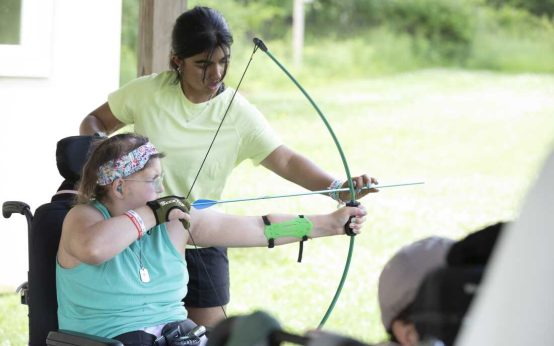 Challenges and Triumphs at Camp Cranium: A Haven for Children with Brain Injuries
  CTE in Former NFL Players: New Study Reveals Prevalence
  Vitamin D and Cognitive Health: New Insights
 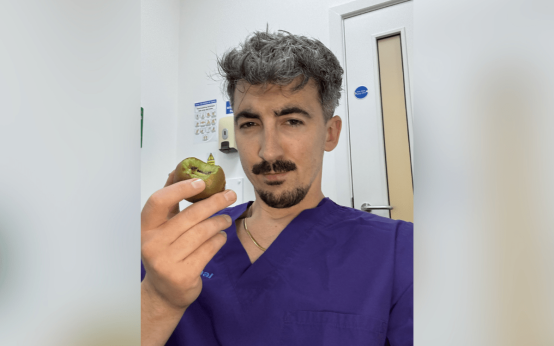 Gut Health Expert Shares Foods to Avoid for Better Digestive Health
 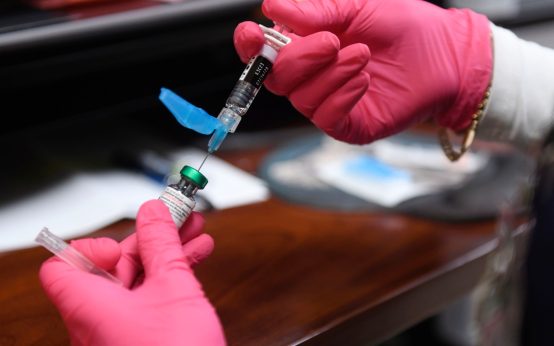 Maryland Measles Outbreak and Changes to Vaccine Recommendations
  Choosing the Right Sneakers for Plantar Fasciitis