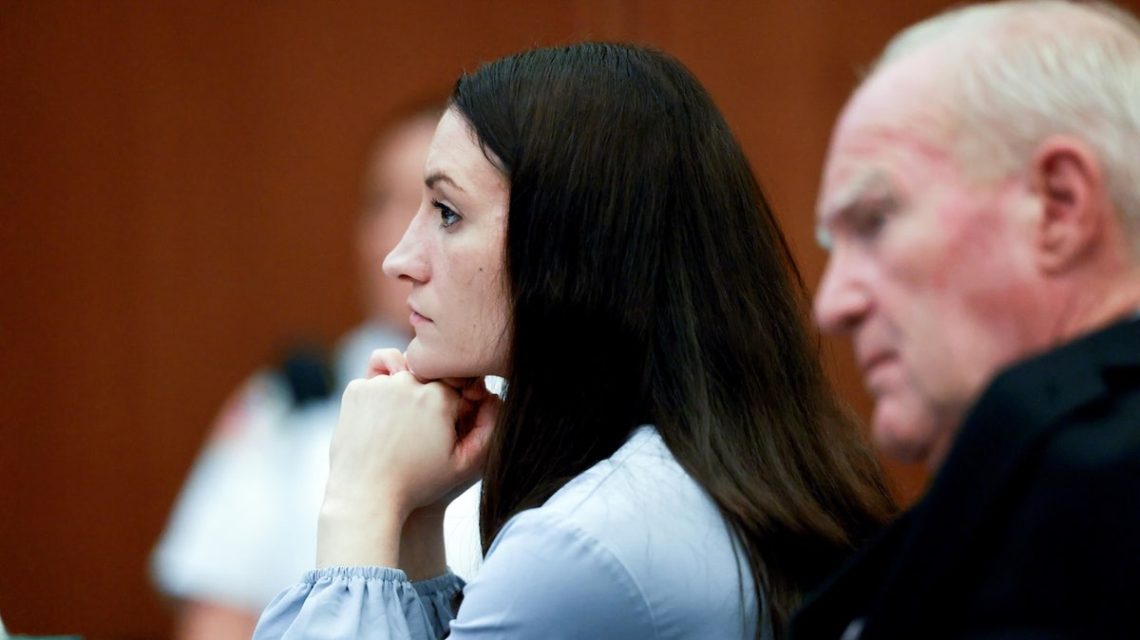
A South Carolina lawmaker, Tommy Pope, who prosecuted Susan Smith’s infamous double-murder case, shared his insights on how the jury in Lindsay Clancy’s trial might be less sympathetic than expected. Clancy, charged with murdering her three young children amid claims of postpartum psychosis, has initiated discussion due to her defense strategy and personal circumstances.
Jury Composition Concerns
Clancy, 36, faces three counts of first-degree murder for allegedly strangling her children, Cora, Dawson, and Callan, at their family home in January 2023. Her trial includes 12 women and six men on the jury, with only 12 set to deliberate. Pope referenced his experience prosecuting Susan Smith, convicted in 1995 for killing her children, to emphasize jury dynamics.
Pope commented on women’s potential response to Clancy, noting that women may relate to postpartum struggles but value their children dearly, potentially leading to less sympathy.
Factors Influencing Jury Sympathy
Pope stressed that Clancy’s paralyzed state complicates the trial, as some jurors might perceive this as self-punishment for her accused crimes. He suggested men could be unexpectedly sympathetic due to Clancy’s physical condition, presenting a contrasting view to the expected sympathy dynamic.
Her defense claims postpartum psychosis as the reason for the tragedy, but prosecutors are contesting this argument. Gregory Saathoff, a forensic psychiatrist, questioned the believability of her self-described auditory hallucinations, noting inconsistencies in her reporting.
Debate over Mental Health Responsibility
Psychologist Kirk Heilbrun was called by prosecutors to address whether hallucinations can influence legal compliance. Though there’s evidence for some control, debates continue about Clancy’s mental state at the time of the incidents.
Dr. Phillip Resnick, defense psychiatrist, portrayed Clancy as experiencing a “command hallucination,” making her actions uncontrollable. This assertion aims to detach Clancy’s legal responsibility from her mental state.
Public and Expert Reactions
Outside court, supporters stressed the importance of mental health awareness, arguing the case exposes systemic issues in care and prevention. Some see it as an opportunity to improve mental health support for mothers.
As Clancy’s trial progresses with closing arguments on the horizon, it remains a focal point for discussions about mental health, legal responsibility, and jury dynamics.
 Federal Judge Ana C. Reyes Engages in Tense Dispute Over Golf Course Plan
  California Outrage Over Release of Convicted Rapist
  Controversy in Madison Brooks Case Over Pink Attire
  Illegal Immigrants in NYPD Detective Stabbing Case to Face Arraignment
  Canadian Tourist Convicted of Animal Cruelty After Flamingo Incident in Las Vegas
  Unsealed Court Documents Suggest Possible Accomplice in O.J. Simpson Case