Iranian Actions in the Strait of Hormuz
Iran’s military announced the destruction of a U.S. MQ-9 Reaper drone and the targeting of two oil tankers in the Strait of Hormuz. The Iranian Revolutionary Guard Corps (IRGC) claimed responsibility, stating the tankers were trying to pass without Iran’s consent using a route approved by the previous U.S. administration.
Since the conflict began, the loss of drones, including 24 MQ-9 Reapers, has cost the U.S. over $800 million according to a Congressional Budget Office report. The IRGC’s actions challenge U.S. claims of secured shipping lanes.
Recent Diplomatic and Military Movements
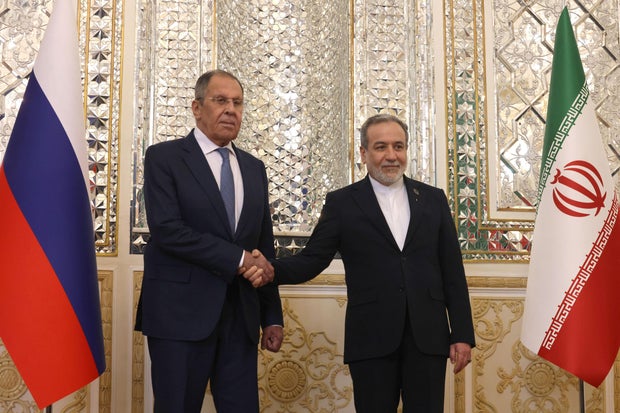
Pakistan’s army chief Asim Munir planned a visit to Iran to discuss bilateral issues and cooperation. His visit followed Russian Foreign Minister Sergey Lavrov’s arrival in Tehran, who condemned U.S. and Israeli operations against Iran.
Amid rising tensions, Saudi forces intercepted a Houthi missile targeting Riyadh. The Houthis have targeted the city multiple times, impacting civilian areas and infrastructure.
The Israeli military accused Lebanon’s army of aiding Hezbollah, breaching a ceasefire agreement meant to limit Hezbollah’s military presence in southern Lebanon.
Ties Between Iran and Russia
Iranian Foreign Minister Abbas Araghchi highlighted unprecedented cooperation with Russia, with discussions covering a broad range of geopolitical topics including Lebanon and Ukraine. Lavrov’s visit aimed to discourage further conflict escalation.
Iran’s leadership continues to denounce U.S. interference in the region, pointing to economic blockades and military actions as sources of regional instability.
Yemen’s Intensifying Conflict
Yemen’s conflict between Saudi-backed government forces and Iran-supported Houthis has intensified. A recent Houthi missile strike on Yemen’s government forces in Shabwa killed at least 53 soldiers, underscoring the deadly escalation.
The Houthis carried out multiple attacks on Saudi Arabia’s infrastructure, targeting airports and oil facilities. In response, Saudi forces have intensified their military operations in Yemen.
Economic Impacts and Oil Prices
Oil prices saw a decline as President Trump decided to pause new sanctions on Russia in an effort to stabilize fuel prices ahead of U.S. elections. Despite efforts, oil prices remain elevated due to ongoing conflicts affecting the global supply chain.
The attacks in the Strait of Hormuz have disrupted shipping routes, reflecting the broader regional turmoil caused by the prolonged conflict.
International Alerts and Upcoming Events
The U.S. issued security warnings for Americans in the Middle East due to potential threats from Iran-backed groups. Hostilities have led to significant civilian casualties, particularly from Houthi attacks.
The ongoing conflict has prompted Saudi Arabia to postpone a significant investment conference, originally scheduled for later this month, as security concerns mount.
Future Diplomatic Efforts
Iran’s conditions for reopening the Strait of Hormuz remain unchanged. The proposal for a temporary ceasefire with the U.S. is still an option, contingent upon the easing of U.S. sanctions and naval blockades.
 European Right-Wing Politics Shifting Dynamics
 Priest’s Tragic Death During Livestreamed Mass in Ecuador
 France’s Intelligence Failures Exposed by Nationwide Riots
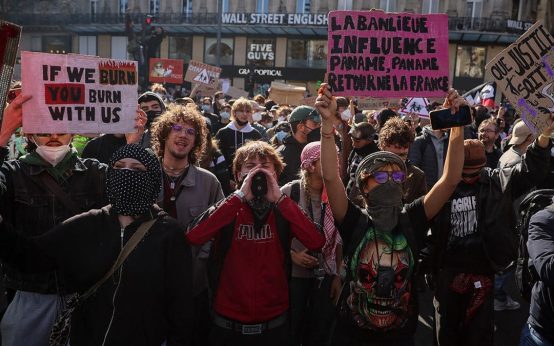 Macron Blames U.S. Iran Conflict for French Unrest
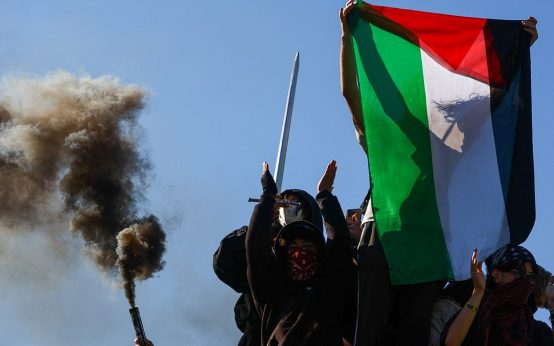 Unrest in France: Jewish Community Faces Challenges Amid Protests
 Formula 1 Plans Africa Grand Prix in Rwanda Amid Concerns