
The First Amendment protects the right of individuals to privately possess AI-generated images or videos of child sexual abuse, as long as these do not depict real persons and remain at home. This was determined by a federal appeals court’s ruling on Tuesday.
The judge’s decision affects only specific images and calls on the Supreme Court to revisit legal precedents. These precedents were established before AI technology allowed for the creation of highly realistic, yet fake, images of children. The ruling came from a case that challenged the reach of existing laws.
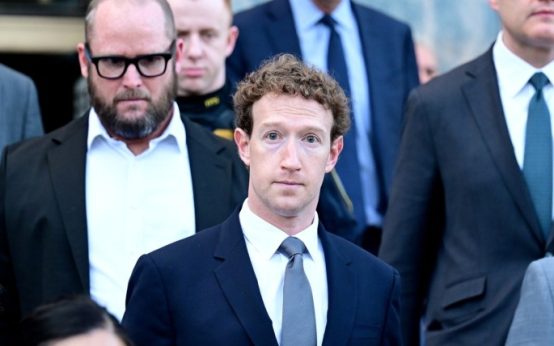 Meta’s $18 Billion Settlement Over Social Media Addiction Lawsuit
  Concerns Over Automated Cameras Rise Among Republicans
  The Balance Between AI Regulation and Its Potential Benefits
  OpenAI’s AI Models Revealed for Unauthorized Access and Cheating
  The Impact of Data Centers on Local Politics
  Meta Agrees to Major $18 Billion Settlement Over Social Media Safety Concerns