Controversy Surrounding DiJonai Carrington and Sophie Cunningham
The incident involving DiJonai Carrington and Sophie Cunningham stirred significant debate in the sports media. Carrington received criticism for clotheslining Cunningham during a game and was later ejected. Afterward, she posted about ‘White privilege’ from the locker room.
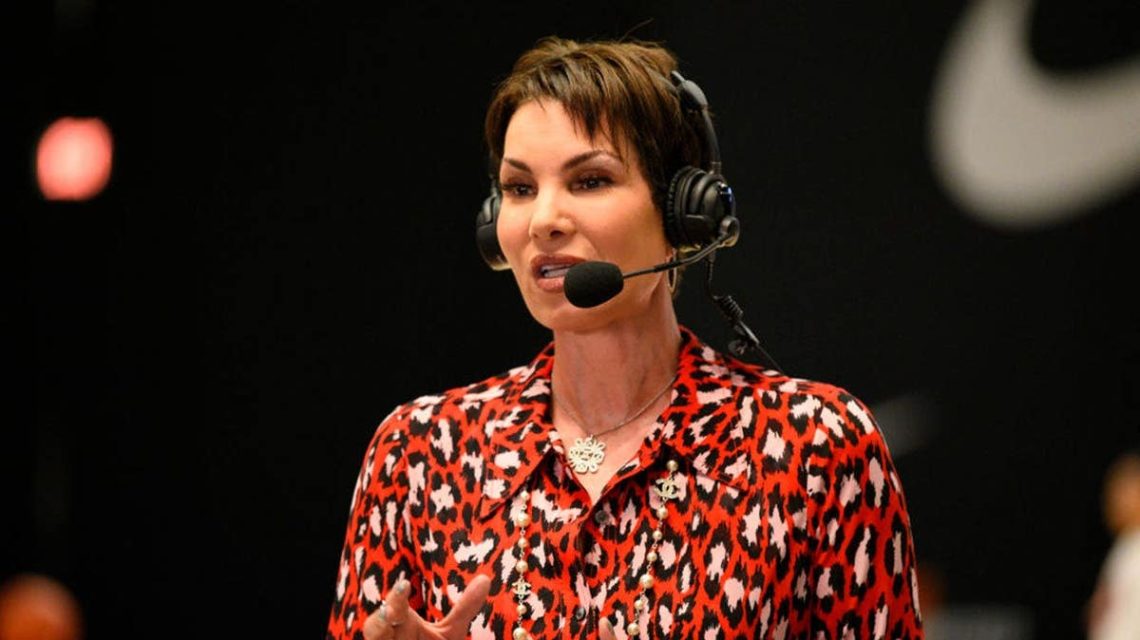
Former ESPN broadcaster Cindy Brunson was particularly vocal during this period. She defended Carrington, arguing the player did not deserve a Flagrant 2 foul. Brunson claimed Cunningham should have been ejected instead. Her defense extended to discussing ‘reverse DEI,’ implying white WNBA players benefit from such dynamics.
Cindy Brunson’s position was clear: she supports Team DiJonai unequivocally.
The Fallout and Media Responses
Cindy Brunson took to Threads, a social platform, to voice her opinions further. She dismissed the criticism of Carrington and tied her support to personal beliefs. Brunson’s commentary attracted more attention due to her previous posts.
One of Brunson’s comments targeted Caitlin Clark, expressing her disapproval of Clark’s performance despite not being related to the controversy. Clark achieved impressive stats in a game, scoring 37 points with notable assists, yet Brunson criticized the performance as ‘stat padding.’
Interestingly, Brunson deleted some of her posts, claiming the action was because of ‘racist’ and ‘transphobic’ responses. Such deletions suggest an agenda-driven commentary rather than genuine sports analysis.
The Larger Context in WNBA Coverage
This pattern of commentary raises questions about the motivations behind sports coverage. Brunson’s continual remarks against Clark and favorable comments about other players highlight inconsistencies. While Clark’s achievements in the WNBA were notable, Brunson dismissed them by saying the accomplishments were within a ‘small sample size.’
Brunson celebrated Angel Reese’s records with enthusiasm but ignored criticisms about the level of competition or game dynamics. It is apparent that her judgments vary significantly based on her preferences.
These discrepancies demonstrate potential bias in sports media. When users challenged Brunson’s views, her responses showed different standards when discussing Reese versus Clark.
The Impact on Sports Media Credibility
The overarching issue is the effect such biased commentary has on media credibility. Brunson, although experienced, risks damaging her reputation by allowing personal opinions to dictate the nature of her sports analysis.
It is crucial for sports media figures to maintain consistency and neutrality. When individuals like Brunson express selective support and unfounded criticism, they undermine honest reporting. This approach fosters divisiveness within the sports community.
Ultimately, biased commentary plays into concerns about authenticity in sports media coverage. Brunson’s contributions have inadvertently fueled the narrative of victimhood and divisiveness, coloring the perception of WNBA dynamics.
 MLB Labor Talks and Trump’s Involvement
  NFL’s Stance on Returning College Players and NCAA’s New Eligibility Rules
  Chicago Cubs Miss Out on Key Victory Due to Missed Call
 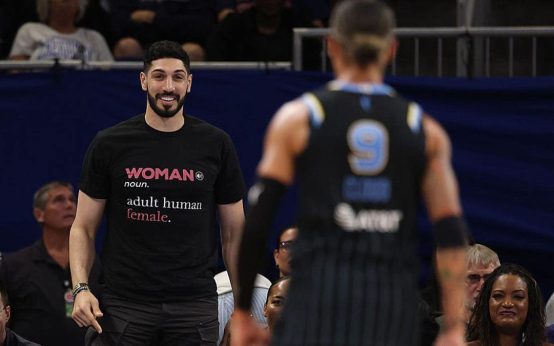 Chicago Sky Owner Discusses Enes Kanter Freedom’s Ejection
 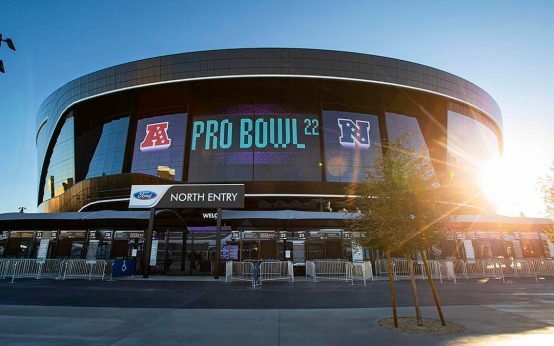 NFL Retires Pro Bowl Game, Revamps Recognition
 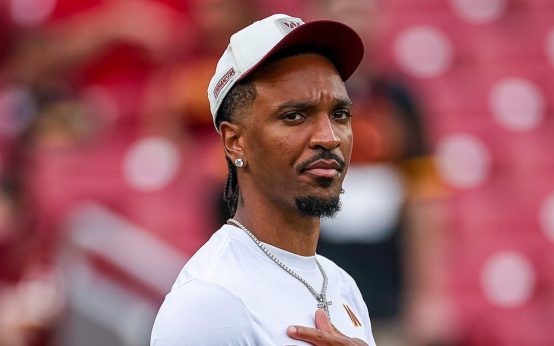 Jayden Daniels’ Dispute with LSU Sparks Social Media Frenzy