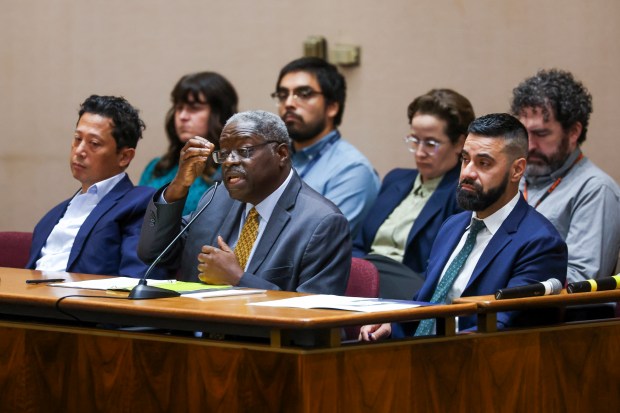
Next month marks the beginning of a new chapter for the Chicago Transit Authority (CTA) as the newly appointed governing board members take their seats. One significant task awaiting them is the election of a chairperson. Lester Barclay, the current chairman appointed by former Mayor Lori Lightfoot, has expressed his interest in continuing in this role. He stated, “If asked, I wouldn’t mind serving,” highlighting his openness to remain involved as the transition unfolds.
This board restructuring is part of a broader set of governance reforms mandated by state transit funding legislation, which aims to consolidate power and raise over $1 billion annually for public transit. On September 1st, the terms of all existing transit board members will expire, paving the way for new appointments, although some will be reappointed. As the deadline nears, maneuvering for influence within the new structure intensifies.
Barclay is viewed as a controversial figure among transit advocates. Critics see him as part of the old guard, in stark contrast to the calls for change in the transit landscape. Chicago Mayor Brandon Johnson appointed Barclay not only to the new CTA board but also to the Northern Illinois Transit Authority (NITA) board, tasked with providing stronger governance compared to its predecessor, the now-defunct Regional Transportation Authority.
“The mandate of the transit reform legislation is to start new, to turn a new page,” said Kyle Lucas from Better Streets Chicago. He emphasized the need for leadership that matches the vision for a refreshed transit system.
Even within political circles, the call for fresh leadership persists. Alderman Matt Martin emphasized the importance of having leaders with deep transportation expertise who can build coalitions among stakeholders.
Juan Sebastian Arias of Elevated Chicago sees value in balancing experience with new perspectives to seize the opportunities ahead for the CTA.
Although the new CTA board holds less power under the reforms due to increased oversight by NITA, it will still influence CTA operations, including the appointment of a permanent agency president.
Among the incoming board members are returning members Michael Eaddy and Neema Jha and newcomers like Nedra Sims Fears and Ann Kalayil. Key figures from the RTA board, like Oswaldo Alvarez and Tom Kotarac, join them, with Kotarac playing a vital role in the NITA transition.
The selection of the CTA board chair requires majority approval from the board and the Illinois Senate, following the election of a chair for the more dominant NITA board on September 10th.
State Senator Ram Villivalam emphasized the focus on accountable leadership for safe, reliable, accessible, and integrated transit services but noted no one had approached him about leading either board.
Barclay, recently criticized for his sparse CTA ridership, invited the Tribune on a Green Line ride to showcase his support for transit-oriented development. Despite his previous stance questioning NITA’s increased control over CTA decision-making, Barclay expressed support for regional coordination, albeit with concerns about its execution.
Activists have scrutinized Barclay’s ridership habits, alleging infrequent CTA usage. Barclay countered such claims, explaining his occasional use of personal and company Ventra cards. He acknowledged the legitimacy of the scrutiny but insisted critics lacked the complete picture, considering his professional commitments.
With Lyndon Carter’s controversial presidency behind them, the CTA faces decisions about interim President Nora Leerhsen’s future. Though popular among advocates, Leerhsen awaits mayoral endorsement for a permanent role.
Previously, only CTA board approval was required for president appointments, but now, NITA board involvement and leadership are necessary, expanding the search scope.
“I’ve heard names both in-state and out-of-state,” Barclay commented on potential candidates for CTA leadership, reflecting the unpredictability of Chicago’s transit dynamics.
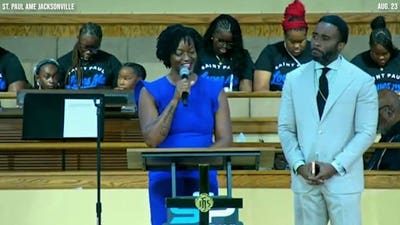 Florida Progressive Compares Her ‘Radical’ Positions to Jesus
  Nashville Airport Proposed to be Renamed for Dolly Parton
  Texas Senate Race: Talarico Faces Intra-Party Challenges
 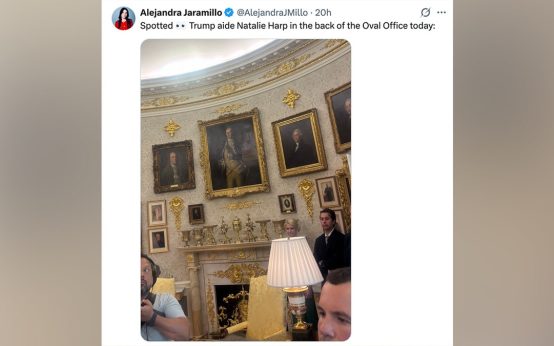 Media Attention on White House Aide Natalie Harp Sparks Debate
  Dispute Over Cancellation of DHS Career Expo in Buffalo
  Report Details Antisemitism in Teachers Unions