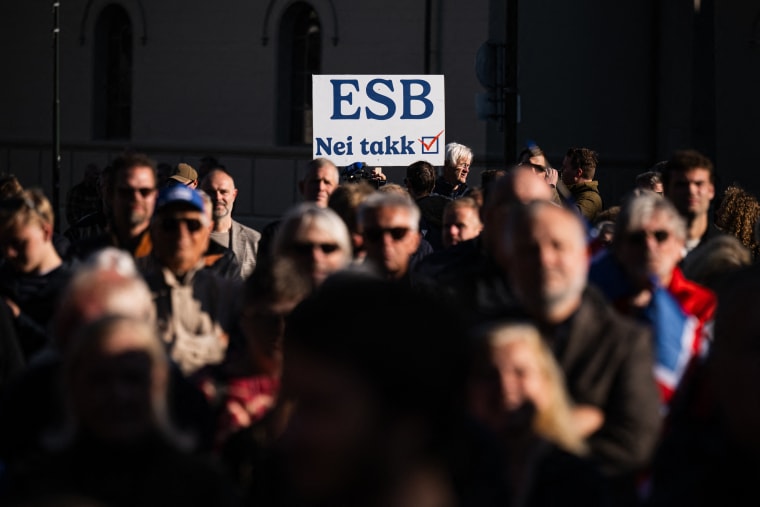
In Reykjavik, Icelanders cast their votes on Saturday on whether to reopen negotiations for joining the European Union. The decision comes amid a divided public and a campaign centered on issues like the cost of living, security, sovereignty, and control over fishing waters. A recent Gallup poll indicated a slight majority against reopening talks, showing a shift from earlier polls favoring the move.
Perspectives on EU Membership
Advocates for renewing talks argue that joining the EU could help mitigate high interest rates and increase security, especially given global instability from events like the war in Ukraine and U.S. President Donald Trump’s stance on Greenland. Opponents worry about losing sovereignty and control over crucial fishing resources.
“Today is our encounter with history,” stated former President Ólafur Ragnar Grímsson, an opponent of EU membership, online.
If voters choose “yes,” Iceland could begin discussions with Brussels. However, a second referendum would be needed later to decide on actual EU membership.
Historical Context and Current Challenges
Iceland first showed interest in joining the EU in 2009 during a severe financial crisis. Talks ceased in 2013 when a government skeptical of the EU halted the process. With renewed geopolitical challenges, the issue gains urgency, with Foreign Minister Thorgerdur Katrin Gunnarsdottir emphasizing the need to reconsider Iceland’s position globally.
Internally, debates focus on interest rates, fishing rights, and the cost of living rather than security. High inflation and expensive mortgages concern many Icelanders, with EU membership potentially offering relief through lower interest rates and possible euro adoption.
Opposition leader Guðrún Hafsteinsdóttir remains skeptical, arguing that Iceland must solve its economic issues independently.
Fishing Rights Dispute
The rules governing EU fishing quotas are contentious. While officials suggest Iceland might retain control over its waters, opponents, like Hafsteinsdóttir, doubt the long-term feasibility of EU promises regarding flexibility.
A foreign ministry memo suggests that if the vote supports reopening talks, negotiations could begin by the end of 2026 and span 18 to 24 months. However, Iceland must enact a general election by November 2028, introducing potential political complications.
Polling stations across the nation of roughly 400,000 people were expected to close at 6 p.m. ET.
 The Case Surrounding the Death of Mica Miller
 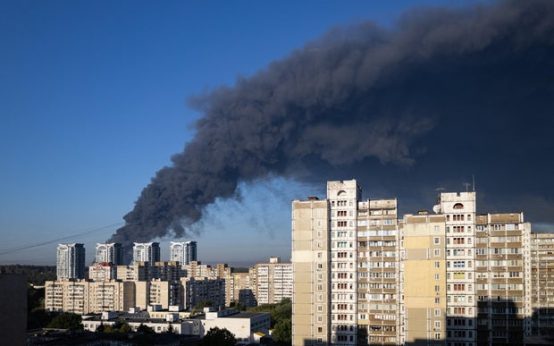 Investigation Launched After Deadly Drone Strike Near Kyiv
 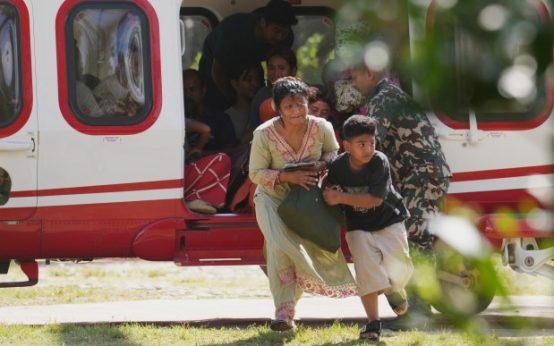 Nepali Leaders in Chicago Mobilize for Flood Relief Efforts
  Investigation Continues into Flight Attendant’s Mysterious Death in Hawaii
  Tributes to Dolly Parton and Tim Curry Amid Various National and Local Events
 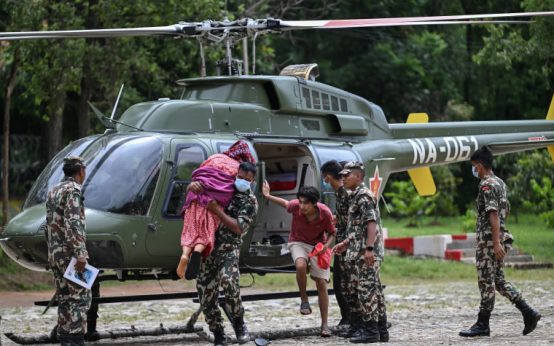 Catastrophic Floods and Mudslides in Nepal: Rising Death Toll and Ongoing Rescue Efforts