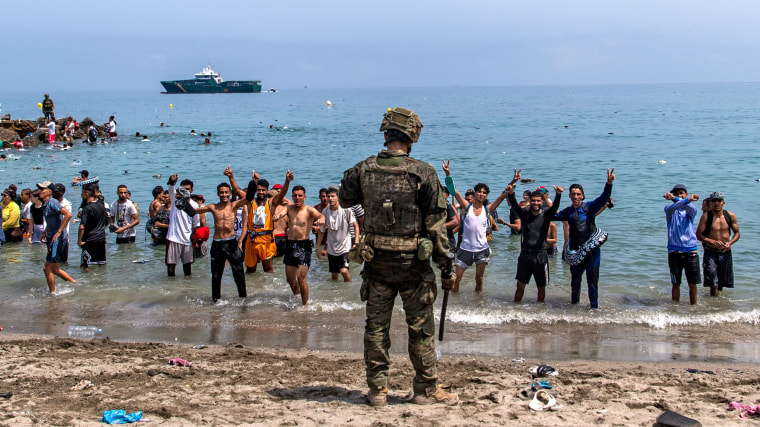
Disinformation Blamed for Migration Surge
Spanish Prime Minister Pedro Sanchez revealed concerns over foreign interference in Spain’s migration crisis. He attributed disinformation to networks linked with Russia and Israel, impacting Spain’s migration policy, while dismissing Moroccan involvement.
Unprecedented Migration into Ceuta
Between July 30 and 31, over 72,000 migrants crossed from Morocco into Ceuta, marking a significant influx at an EU land border with Africa. This event caused widespread alarm across the European Union. During the attempt, local authorities reported at least 100 fatalities.
Political Reactions and Accusations
Opposition parties and human rights groups accused Morocco of enabling the mass crossing, a claim Morocco denied. Sanchez, speaking to radio station SER, firmly rejected the notion of Moroccan complicity.
“When people talk and speculate about the participation of Moroccan authorities, I deny this outright,” Sanchez stated.
Role of Social Media
Spanish authorities noted the spread of misleading claims on platforms like Instagram and TikTok, suggesting migrants reaching Ceuta could stay in Spain. This misinformation encouraged thousands to make the crossing.
Foreign Networks Allegedly Involved
Sanchez referenced research by the EU’s diplomatic service, indicating disinformation links with Russian, Israeli, and far-right networks. He believed the crisis was used to critique Madrid’s positions on Ukraine and Gaza conflicts. However, specific evidence was not disclosed.
Media inquiries to Israel’s Ministry of Foreign Affairs, Russia’s Embassy, and the EU diplomatic service have gone unanswered.
Tensions in Ceuta
About 5,000 migrants remain in Ceuta, some seeking asylum. This has led to protests against the Spanish government’s crisis management and attacks on a migrant camp at El Trampolin beach.
According to police reports, three Moroccan citizens were arrested for a corrosive liquid attack on an army patrol. Luckily, no injuries were reported.
Economic Support Measures
Sanchez announced plans to deploy additional funds of €168 million ($195 million) to bolster Ceuta’s economy. This comes on top of a previously pledged €180 million for recovery efforts. Together, these funds aim to assist a region in economic distress.
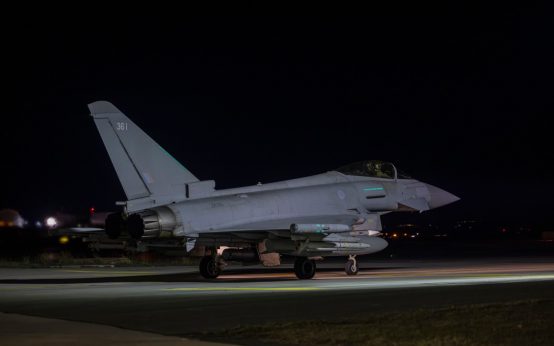 U.K. Deploys RAF Typhoon Jets to Saudi Arabia
 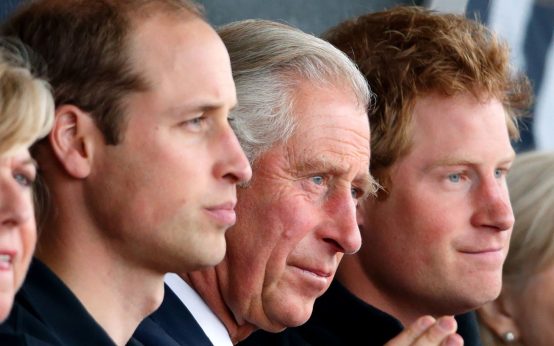 Prince Harry Stresses Reconciliation Amid Royal Family Rift
  Animal Cruelty Verdict for Canadian Tourist and Political Developments in International and U.S. Politics
  U.K. to Deploy RAF Typhoon Jets Amid Saudi Security Concerns
 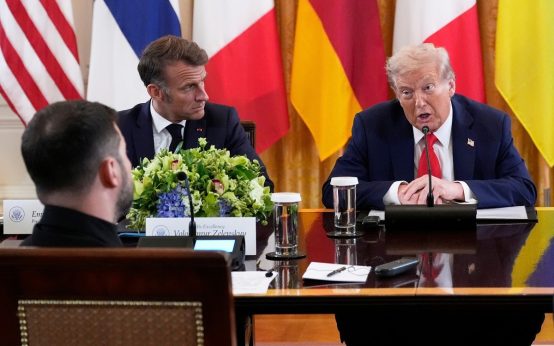 Trump Comments on Europe’s Future Amid French Unrest
  Putin’s Vision of Global Power Dynamics