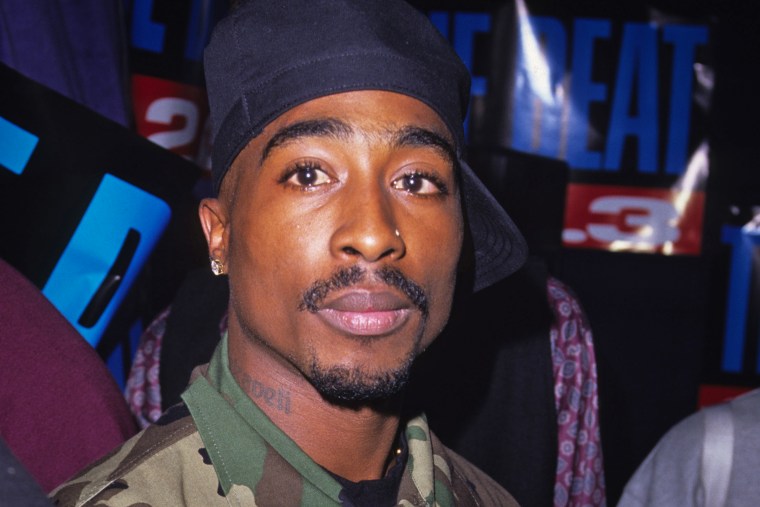
Guilty Verdict Delivered
Duane “Keffe D” Davis, 63, has been found guilty of first-degree murder with use of a deadly weapon in the killing of rapper Tupac Shakur. The verdict was reached following nearly two weeks of arguments by Clark County prosecutors. They portrayed Davis as a former key figure in the South Side Compton Crips gang in Los Angeles seeking revenge for Shakur’s attack on his nephew.
Following the verdict, state District Judge Carli Kierny decided Davis will stay in jail until his sentencing on October 13. Davis plans to appeal the decision.
After the verdict was read, Davis’ son showed distress in the courtroom, while Tupac’s sister, Sekyiwa “Set” Shakur, visibly reacted with emotion.
Legal Implications and Historical Context
Although Davis was not accused of pulling the trigger, Nevada law allows for conviction in cases where an individual assists in a murder. Prosecutors stated Davis is the sole survivor who rode in the car with the shooter. The trial addressed parts of a long-standing mystery surrounding Shakur’s death, intriguing fans and experts alike.
Tupac Shakur, who passed away at 25, is celebrated as a highly influential figure in hip-hop and continues to attract audiences.
The Incident and Evidence
The prosecution argued that Davis sought out Shakur and Death Row Records’ Suge Knight after they were spotted in Las Vegas involved in a fight with Davis’ relative, Orlando “Baby Lane” Anderson. Years after the incident, Davis entered a proffer deal with federal investigators, mistakenly believing it granted him immunity. This confession eventually aided in his conviction.
The book “Compton Street Legend,” authored by Davis in 2019, served as crucial evidence. In it, Davis admits complicity in Shakur’s murder, prompting a renewed investigation.
Defense Arguments
Davis’ defense attorney, Michael Sanft, contended that Davis exaggerated the details for fame and financial gain, pointing out inconsistencies in his statements. The defense stressed the absence of tangible proof linking Davis to the crime scene, such as photographic or logistical evidence.
Retired Las Vegas detective Dan Long, a defense witness, claimed he could not substantiate Davis’ details during a police interview in 2009, emphasizing contradictions between his statements and his book.
The defense questioned the reliability of verbal admissions without physical evidence, urging jurors to critically assess the presented claims.
Decadeslong Investigation
The investigation, hindered by unreliable witnesses and gang tensions, spread from Las Vegas to Compton. The complexity and depth of the case challenged law enforcement over the decades.
The murder remains a prominent subject of discussion among hip-hop fans, crime specialists, and those interested in the intricacies of gang-related violence.
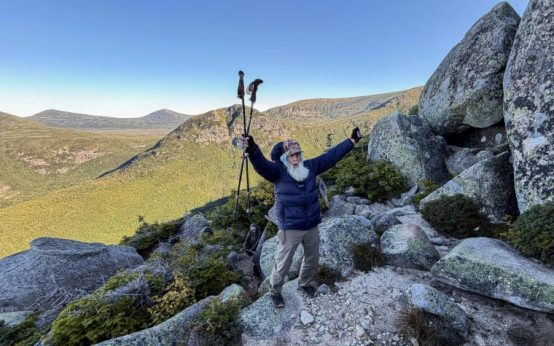 91-Year-Old Completes Appalachian Trail, Sets Record and Inspires Others
  Descendants Reclaim Legacy of Enslaved Potter David Drake
 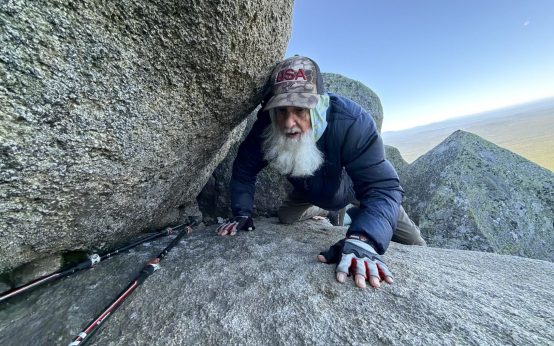 Dale Sanders Sets Record as Oldest Appalachian Trail Thru-Hiker
  Port Clinton Art Festival: A Celebration of Art and Community
 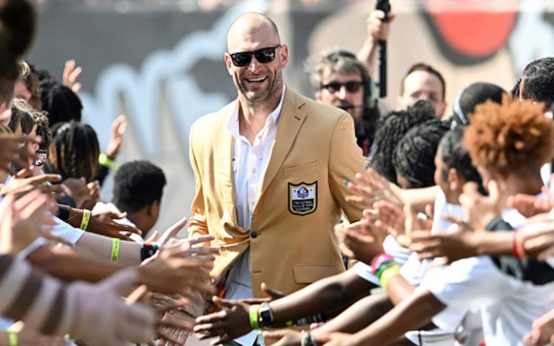 Joe Thomas: From NFL Star to Farm Life
  Monday Reflections and Youth Sports Highlights