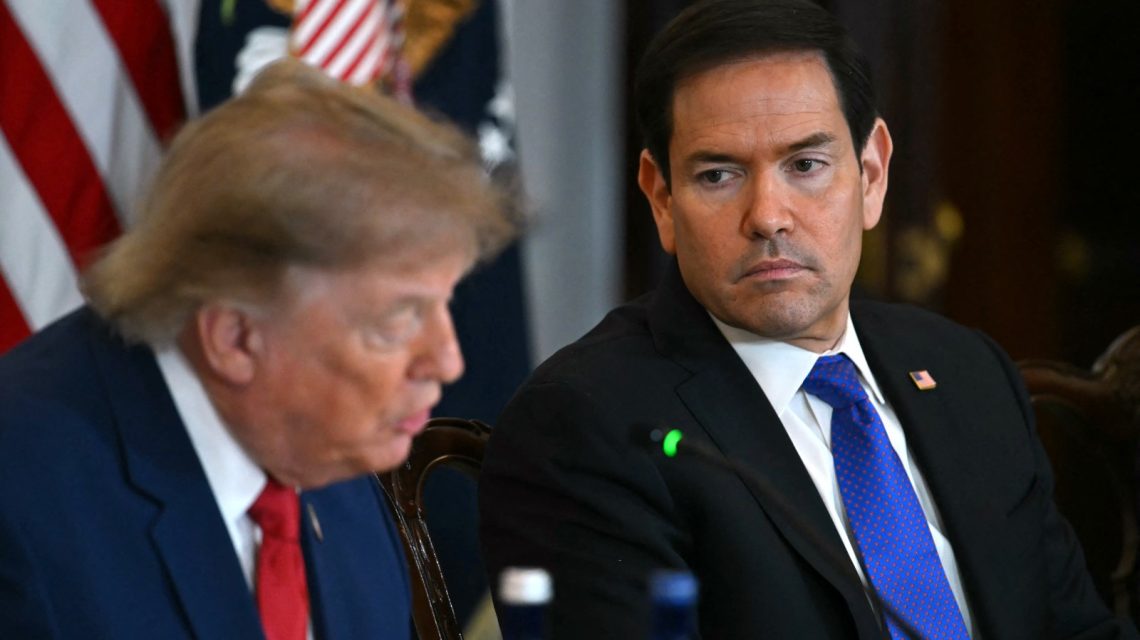
Secretary of State Marco Rubio has long been known for his hardline stance against Chavismo in Venezuela. For over a decade, Rubio built his political identity around no compromise with the Chavista regime. However, recent developments put him in a difficult position.
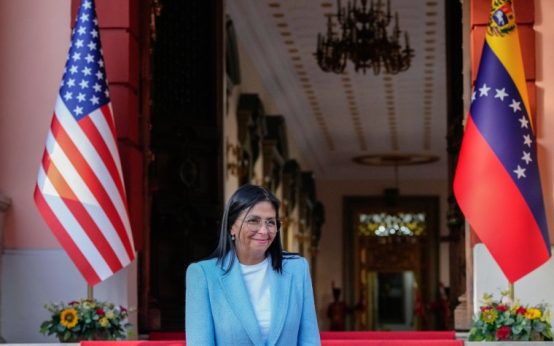
The Trump administration announced a significant oil agreement with the Venezuelan interim government led by Delcy Rodríguez, a former vice president under Nicolás Maduro. This move comes just eight months after Maduro’s capture and extradition to New York, raising questions about Rubio’s longstanding policy and its impact on his political base.
The agreement involves the development of 17 Venezuelan oil fields, tapping into reserves estimated at 65 billion barrels. The United States gains a 55 percent stake in the output through direct ownership and advantageous pricing for crude oil. Rodríguez mentioned a 25-year concession period, while U.S. sources talk of a 100-year agreement.
Political Implications for Rubio
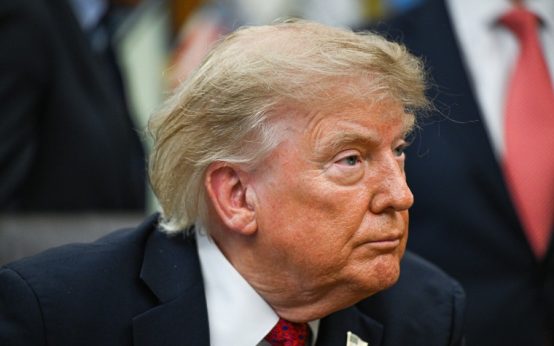
Despite Trump’s praise for Rubio’s role in the deal, calling it “the biggest oil deal in world history,” the agreement has stirred controversy. Critics argue that it aligns the U.S. with a regime Rubio has publicly denounced. This could affect his support among Venezuelan and Cuban voters, two communities central to his political ascent.
Polling by Venezuelan firm Meganálisis indicates that while most Venezuelans support Maduro’s removal, they are skeptical of Rodríguez and the Trump administration’s actions. Political scientist Eduardo Gamarra noted discontent over the continued imprisonment of political dissidents and the legitimacy afforded to figures like Diosdado Cabello, a wanted individual in the U.S. and Spain.
Domestic Responses and Challenges
Ricardo Hausmann, an economist and former Venezuelan planning minister, criticized Rubio on social media for compromising U.S. integrity and aligning with what he calls an illegitimate government. Hausmann emphasized that the deal undermines efforts towards democratic elections in Venezuela.
Rubio has encountered similar criticism in the past. In 2025, the Miami Herald accused him of turning away from Venezuelan concerns after opposing the continuation of Temporary Protected Status (TPS) for Venezuelans. A prior poll found significant opposition from Venezuelan Americans toward Rubio if he opposed legal protections for TPS holders.
The oil deal and Rubio’s ties to figures like Alejandro Betancourt López, a businessman linked to past money laundering allegations, have further complicated perceptions of Rubio’s stance.
Potential Political Ramifications
The oil agreement has also put strain on other Florida politicians, like Representative María Elvira Salazar, who initially criticized the deal’s terms. South Florida’s political climate, especially concerning Rubio, may see shifts as voters respond to the unfolding situation.
Despite some comparison to U.S. dealings with countries like Saudi Arabia and Qatar, Rubio’s historical opposition to engaging with the Chavista regime leaves him in a unique situation. Analyst Imdat Oner suggests that this approach may not resonate long-term in Caracas.
As the 2028 presidential race looms, Rubio’s alliances and policy stances will be scrutinized. His political future might hinge on how effectively he navigates the contradiction between his previous rhetoric and the current agreement with Venezuela.
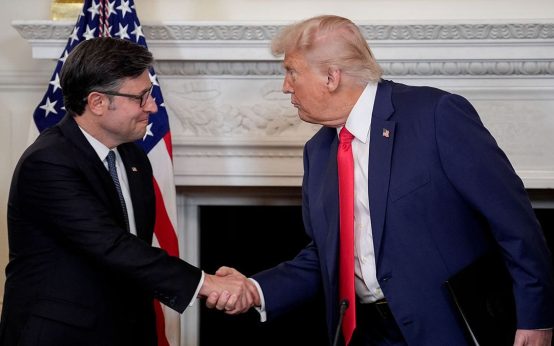 Congress Prepares for Brief Session Amid Political Maneuvering
 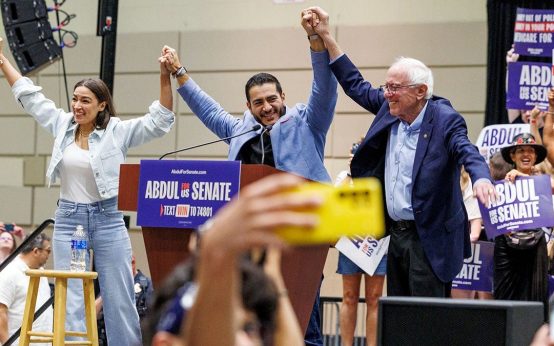 Sanders Criticizes Democratic Resistance to El-Sayed Amid Controversy
 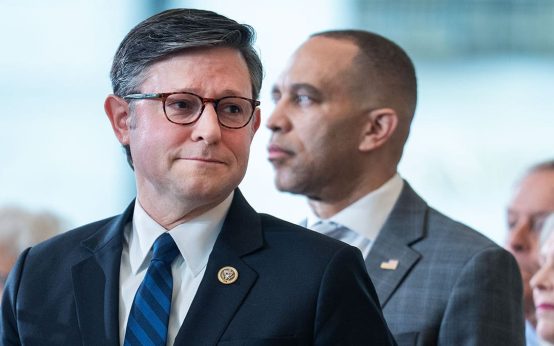 House Republicans Target Democrats with Resolutions on Socialism
  Trump Urges Bipartisan Tax Incentives for Domestic Entertainment Industry
  White House Announces Strategic Oil Partnership with Venezuela
  CBS News Faces Criticism over Report on Abdul El-Sayed’s Past Comments