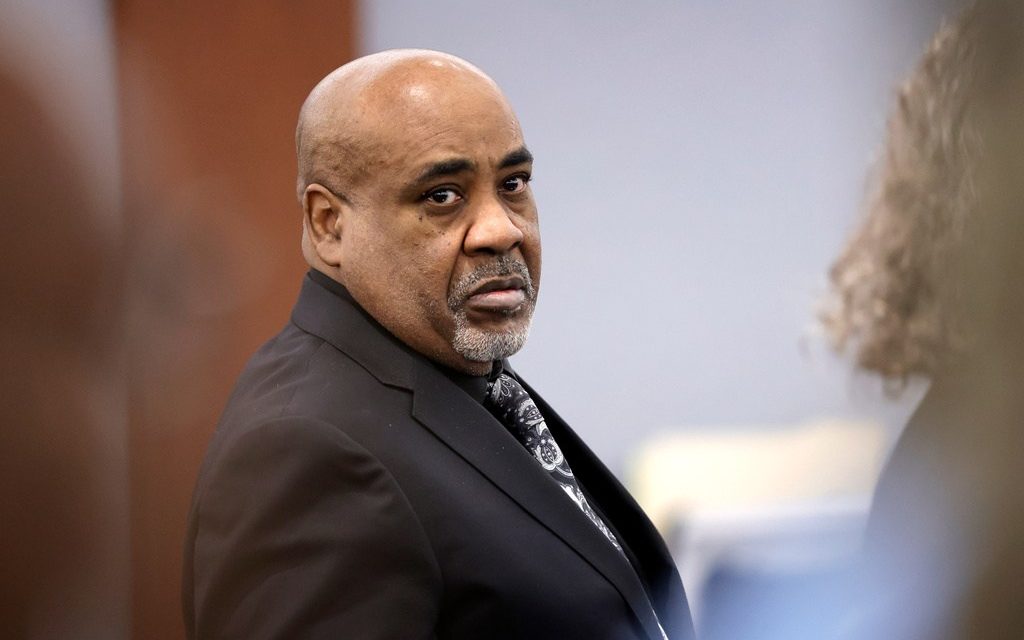
Deliberations Begin
The jury in Las Vegas has started its deliberations in the murder trial of Duane “Keffe D” Davis, a case focused heavily on Davis’ own statements surrounding the 1996 murder of Tupac Shakur. Prosecutors are using Davis’ admissions from interviews, documentaries, and his memoir as a substitute for missing physical evidence. They argue this constitutes a confession.
The verdict could see Davis, 63, sentenced to life in prison, marking a significant test for Nevada courts in processing a murder case built on decades-old statements, gang testimonies, and circumstantial evidence.
Prosecution Relies on Davis’ Admissions
Prosecutors assert that Davis’ statements have been consistent in their fundamental details. Chief Deputy District Attorney Binu Palal emphasized that no witness testified Davis was dishonest. An LAPD detective supporting the prosecution stated that Davis’ own admissions hint at truthfulness, especially when implicating family.
In contrast, the defense described Davis’ narrative as fiction, designed for profit and notoriety. They challenged the consistency of his stories, questioning Davis’ account of events and physical realities.
Davis’ Statements Spanning Years
Prosecutors recounted how Davis placed himself at the crime scene across various settings, from a 2008 federal proffer to his 2019 memoir. They categorize Davis’ book as a “textbook admission,” highlighting his detailed accounts of the incident.
Former detective Daryn Dupree testified in favor of Davis’ truthfulness, having discerned sincerity in his statements implicating his nephew.
Discrepancies and Defense’s Argument
The defense dismantled Davis’ narrative by pointing out contradictions and reliance on unverifiable testimony. They emphasized the lack of tangible proof placing Davis in Las Vegas on the night Shakur was shot.
Despite multiple testimonies about the Cadillac involved in the crime, no physical evidence has connected Davis to the scene. The defense highlighted the absence of key evidence like surveillance or phone records that would conclusively place him there.
Gang Retaliation as Alleged Motive
Prosecutors highlighted gang culture, describing Shakur’s killing as a retaliation. They presented a timeline connecting gang tensions to the murder, driven by prior altercations—a view challenged by the defense due to lack of documentation.
The defense questioned the reliability of gang-related testimony, noting inconsistent historical accounts.
Lack of Physical Evidence
Sanft, the defense attorney, stressed the absence of physical evidence in Las Vegas linking Davis directly to the shooting. He doubted witness recollections about a Cadillac seen fleeing the scene.
The defense countered that missing documents and compromised police records have muddied the investigation.
Prosecution’s Position on Davis’ Role
Prosecutors argue Davis played a significant role as a gang leader, responsible for orchestrating retaliatory actions. Yet, defense witnesses disputed Davis’ alleged influence, claiming insufficient proof of his direct involvement.
The trial’s age prompted debate over the reliability of evidence tracing back nearly 30 years, leading to questions over past inaccuracies.
Unusual Case Structure
The prosecution’s approach hinged on statements from Davis over physical evidence—a reversal of typical murder case proceedings. Legal experts explained this unconventional method’s impact on the defense’s cross-examination ability.
The rare structure places focus on historical accounts, providing challenges in validation.
Evaluation and Analysis of Old Cases
Criminology experts caution against quick assumptions in revisiting old cases, noting jurors often distrust revived stories without fresh evidence. They explained the defense only needs to instill reasonable doubt rather than proving innocence.
Experts stressed Nevada’s laws allow convictions for those facilitating a murder, not necessarily firing the gun.
Potential Verdicts and Appeals
Opinions suggest the jury could deliver varied outcomes based on interpretation of evidence, hinting at second-degree murder as plausible due to remaining uncertainties.
In case of conviction, an appeal is expected focusing on Davis’ 2008 statements under oath and potential jury instruction errors regarding intent, which may lead to reversal.
Next Steps in the Tupac Trial
Upon reaching a decision, jurors will announce their verdict, deciding whether Davis faces life in prison. A deadlock could result in a mistrial, prolonging proceedings.
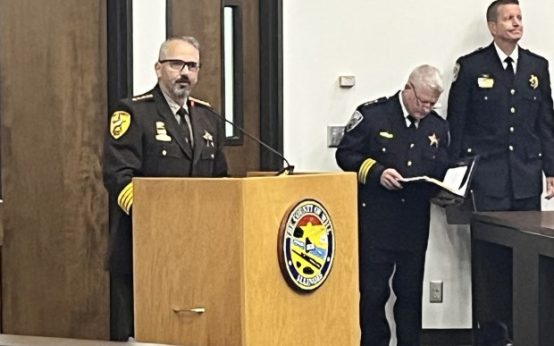 Homer Glen Suspends License Plate Reader Program Amid Policy Breach Investigations
 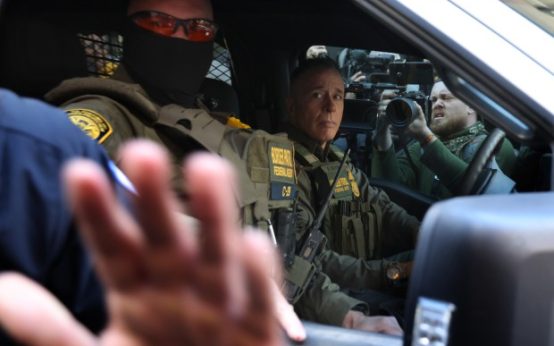 Former Border Patrol Chief Retires Amid Investigation
  Judge Orders Force-Feeding for D.C. Shooting Suspect
 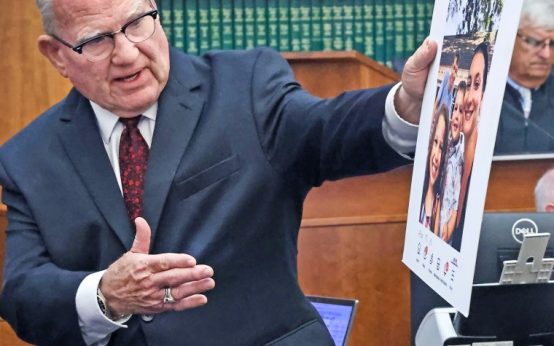 Deliberations Continue in Lindsay Clancy’s Murder Trial
  Maine’s Auditor Matt Dunlap Addresses Medicaid Fraud Concerns Amid Congressional Race
  Kentucky Woman Indicted for Defacing WWII Memorial