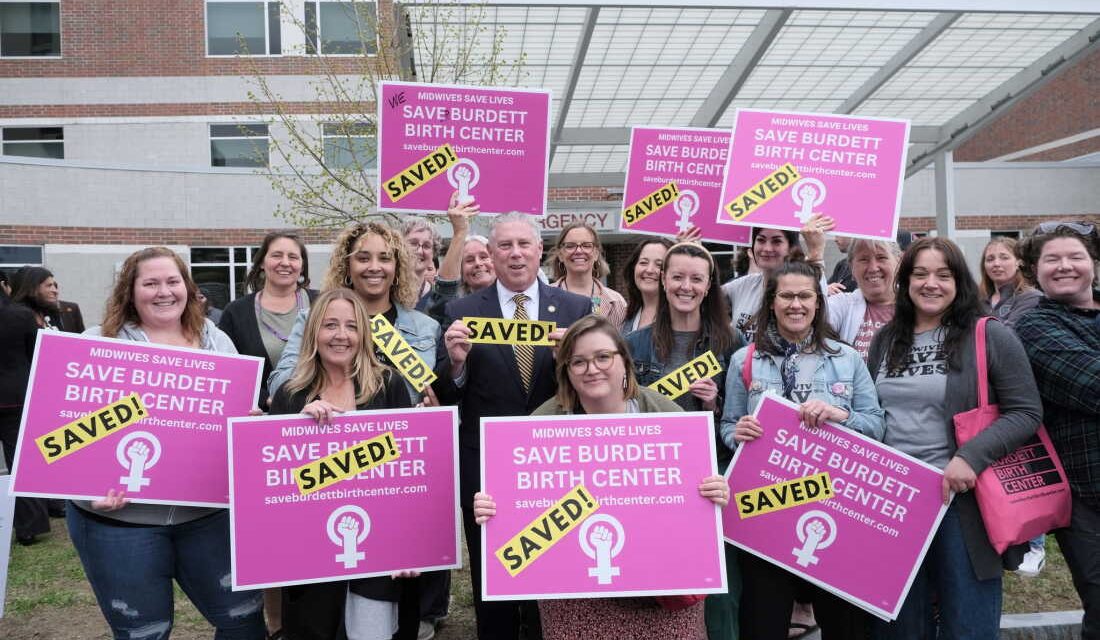
State Assembly member John T. McDonald III, a Democrat, played a key role in securing $5 million in state funding to prevent the closure of the Burdett Birth Center in Troy, New York. Residents, including those who were born and gave birth there, were shocked when Troy’s last birthing center faced closure. Starletta Washington, leader of the local YWCA, expressed her disbelief at the prospect of families having to travel far or risk emergency deliveries far from a hospital.
Since 2010, numerous maternity units have closed across the U.S. as cities and towns shrink and hospitals merge into larger systems. Yet, Troy found renewed hope with the community uniting against Trinity Health’s closure plan. Multiple stakeholders, regardless of political affiliation, collaborated to challenge the decision. The unity even brought together Planned Parenthood and the Catholic diocese. The city’s Republican mayor, Carmella Mantello, emphasized the collective belief that the closure couldn’t happen.
Babies have been delivered at Samaritan Hospital for over a century. The Burdett Birth Center had become a model of patient-oriented care, reducing unnecessary C-sections and offering close-to-home services. Many families, like Lidia Zambrano-Madera’s, praised its close proximity and exceptional care.
Trinity Health, however, claimed financial losses necessitated the closure. The proposed plan would have forced families to travel to Albany, a significant distance from Troy. The announcement, without prior warning, shocked staff and community members. The response was swift, with rallies and campaigns to raise awareness of the impact on low-income families, especially those without cars.
Activists, including birth educators like Jessica Hayek, highlighted the disconnect between the corporate priorities of Trinity, a large, Michigan-based entity, and the community’s needs. Concerns about healthcare becoming impersonal were raised even by Republicans, such as Mantello, who lamented the loss of personalized care. The Catholic bishop’s criticism underscored the misalignment between the closure and faith-based healthcare values.
Trinity remained firm, even taking legal action against the state, but strong opposition led by figures like New York Attorney General Letitia James resulted in a pause. Key political figures across party lines successfully secured necessary funding to keep the center operational.
The reversal of the closure decision was hailed as a win, reflecting increasing skepticism toward large healthcare systems’ promises. It also showed the effectiveness of bipartisan cooperation, as McDonald pointed out, emphasizing the power of unity over division.
KFF Health News is dedicated to comprehensive health issue journalism as part of KFF’s core programs, focusing on health policy, research, and journalism.
 Meta’s Settlement and AI’s Impact on Youth
 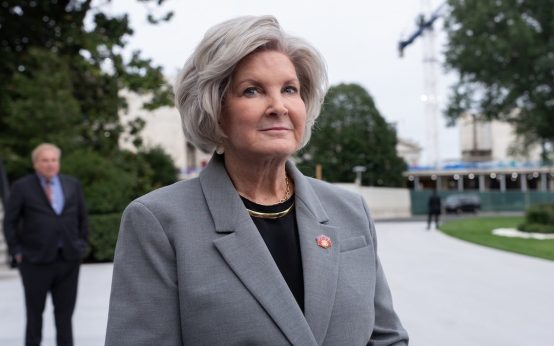 Susie Wiles Shares Her Journey to Becoming Cancer-Free
  Tofu Tops Protein Source Rankings in New Analysis
  Southern California Faces Santa Ana Winds and Elevated Wildfire Risks
  Santa Ana Winds and Wildfire Risks in Southern California
  Push for Ensuring Lasting Smiles Act to Protect Families