Catastrophic Floods in Bidur, Nepal
BIDUR, Nepal — A harrowing scene unfolds in Bidur as the search for survivors continues following last week’s disastrous floods. The odor of death hangs heavy as workers, clad in protective hazmat suits, transport bodies from ambulances to designated areas. Their efforts seem bleak with each passing day.
In the aftermath of this calamity, both military and civilian helicopters are repurposed from tourism to vital aid delivery. They bring assistance before returning with those in dire need of medical care.
A Family’s Desperate Search
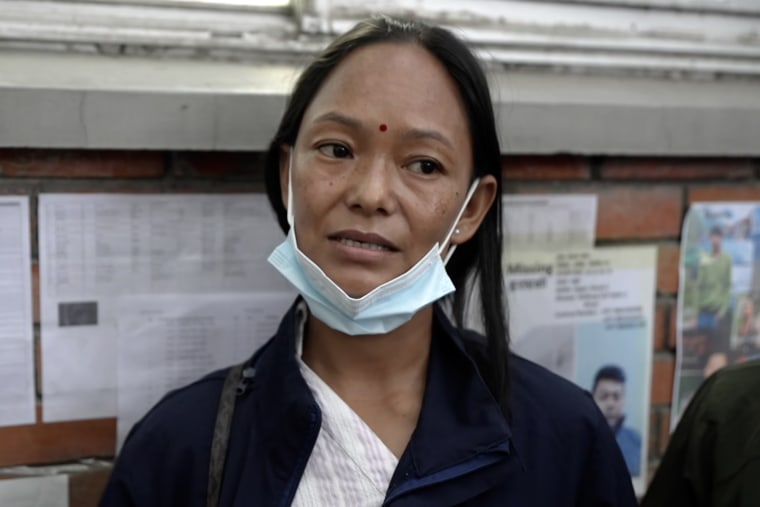
Kalpana Shrestha, a dedicated nurse based in Kathmandu, faces a personal tragedy. Ten relatives, including her sisters and their children, are unaccounted for. Despite her tireless efforts to share photos on social media and with journalists, Shrestha has received no feedback. Her family vanished in Betrawati, a town severely affected by the floods. She expressed, “My mind has stopped working, but even so, we have not stopped posting.”
Government response has been criticized for not doing enough to locate missing persons. Access remains challenging with roads still blocked, further impeding search and rescue operations.
Devastation and Response Efforts
The floods have tragically claimed over 1,000 lives in Nepal, as reported by the National Disaster Risk Reduction and Management Authority. Nepal witnesses thousands missing, including foreign nationals. Nearby Tibet reports 16 deaths and hundreds still missing. At least 80 Americans are among those unaccounted for.
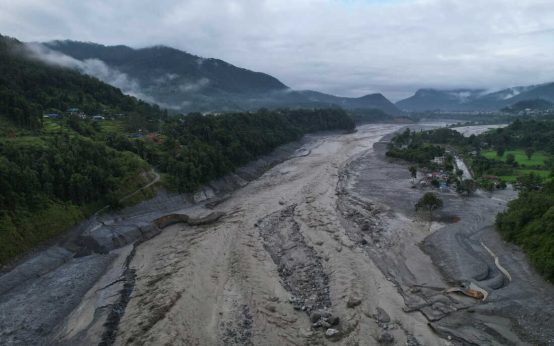
Rescue operations have saved over 10,000 individuals, with foreign nationals among them. Initiated by a glacier collapse and landslide near Nepal’s border with China, this disaster ranks as the deadliest since the 2015 earthquake.
Challenges in Recovery
“Access remains the single biggest obstacle to response efforts.” – United Nations Office for the Coordination of Humanitarian Affairs
Bodies retrieved create additional hurdles for authorities, who are utilizing 21 hospitals to manage remains. Burial options are considered to mitigate infection risks, with plans for future identification and family handover.
In Pokhara, authorities are aiding identification by collecting DNA samples and displaying body photos. Relatives may offer blood samples for potential matches, allowing families to retrieve remains for proper funerals.
Reporting efforts span across Nepal, with contributions from Janis Mackey Frayer, Dawn Liu, Michael Fiorentino, Surendra Phuyal, and Sunil Pandey.
 The Impact of Geopolitics on the Semiconductor Race
  Milo Yiannopoulos and His Departure from the U.S.
  U.S.-Venezuela Oil Deal Details Announced Amid Criticism
  Flash Floods in Nepal & The Impact on Pilgrimage Sites
  Shanghai Cooperation Organization Summit Highlights Strategic Alliances
  Dolly Parton’s Legacy Celebrated with Dollyfest Event