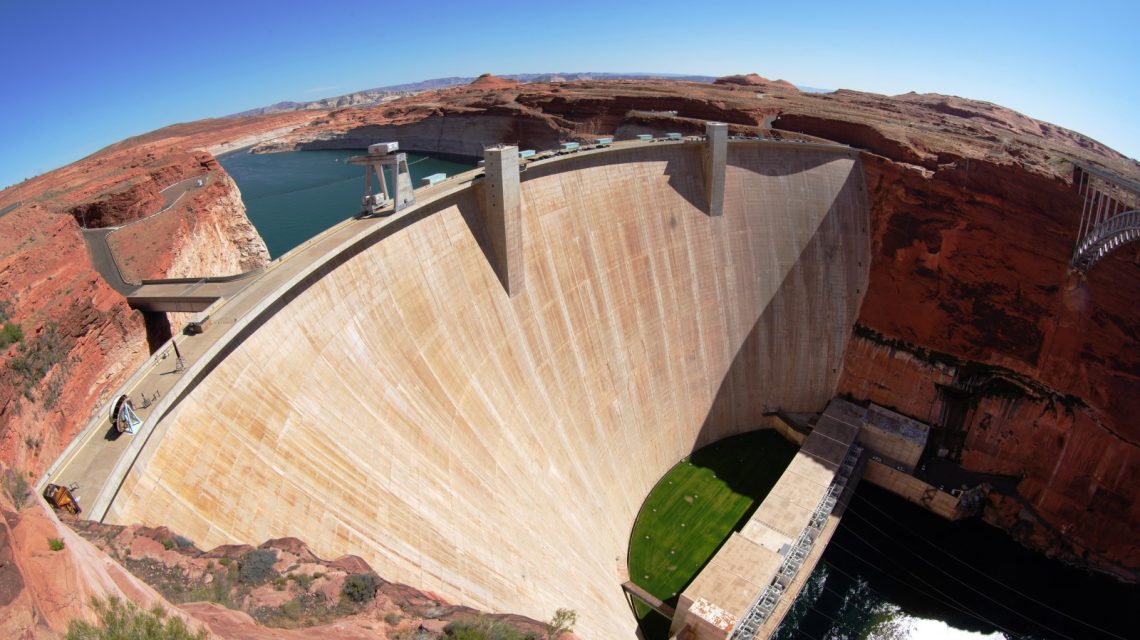
Lake Powell is approaching a critical threshold, which could lead to increased electricity costs in parts of the Western United States. Current data indicates the water levels are merely 34 feet above the minimum power pool—the point where the Glen Canyon Dam can no longer generate hydropower.
The U.S. Bureau of Reclamation (USBR) recently stated that projections suggest Lake Powell might hit this minimum level by March 2027. However, these projections depend on maintaining the current guidelines, expiring at the year’s end.
The Broader Impact on the Colorado River
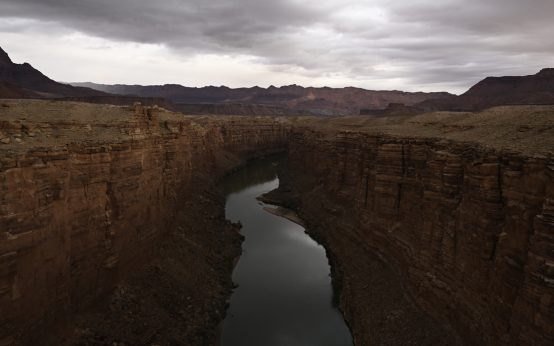
Beyond Lake Powell’s immediate concerns, the drought-stricken Colorado River supplies municipal water to about 40 million people, generates over 8 billion kilowatt-hours of hydropower annually, and supports 5.5 million acres of farmland. The Glen Canyon Dam, the second-highest concrete arch dam in the nation after Hoover Dam, created Lake Powell. It stores up to 25.16 million acre-feet of water, serving as a drought reserve for cities, industry, and agriculture across the West. The dam’s hydropower benefits states like Wyoming, Utah, Colorado, New Mexico, Arizona, Nevada, and Nebraska.
Consequences of Losing Hydropower Generation
The dam’s power generation efficiency decreases long before reaching the critical water level. As water pressure diminishes, electricity generation becomes less efficient, according to Professor Hamid Moradkhani from the University of Alabama. If levels fall below the minimum power pool, hydropower generation halts. Water releases continue downstream through outlet works instead of turbines, but this method poses operational and maintenance challenges over time.
To compensate for lost hydropower, utilities may turn to wholesale-market purchases, electricity imports, and increased natural-gas plant generation. Moradkhani points out that relatively cheap hydropower would be replaced by potentially more expensive and volatile electricity. This shift might not result in immediate bill increases, but replacement power costs could influence utility rates, especially in regions heavily reliant on federal hydropower.
Recurring Patterns of Hydropower Loss
Moradkhani emphasized the ongoing nature of dwindling water supplies affecting hydropower and increasing power bills. A nationwide study found that drought reduced U.S. hydropower output by around 300 million megawatt-hours from 2003 to 2020, causing approximately $28 billion in losses, with about half in the western United States.
Vincent Tidwell, chief scientist at the Pacific Northwest National Laboratory, noted that drought impacts hydropower somewhere in the Western U.S. almost yearly. The effects vary by facility, as seen in 2021 when Lake Oroville’s reservoir levels fell too low, causing several months of power shutdown.
Though Oroville represents a more extreme case, the broader hydropower context in California and Oregon sees droughts impact output less drastically. During extreme periods, output can drop by half, compared to typical conditions. Yet, at the Western Interconnection level, extreme years result in a modest 20 percent reduction due to regions compensating as necessary.
The Tradeoff Between Lake Powell and Lake Mead
Lake Mead, the nation’s largest reservoir, also feels the effects as Lake Powell’s water releases flow downstream. Federal water managers aim to conserve water in Glen Canyon Dam, acknowledging it might decrease hydropower production at Hoover Dam. Holding more water in Lake Powell safeguards Glen Canyon Dam, yet pressures Lake Mead, shifting hydropower risks within the system.
Tidwell highlighted that while drought may reduce Colorado River hydropower, the grid’s broader, integrated nature allows planners to maintain reliable electricity service through various strategies. The timing of hydropower generation, not just total yearly output, significantly influences grid reliability.
Broader drought impacts include rising electricity prices, affecting industrial and commercial users. However, households in regulated markets or using fixed-pricing plans may avoid these price jumps. The USBR underscores the necessity for new Colorado River operating guidelines in light of a record-low snowpack, aiming to protect infrastructure and sustain hydropower and water needs.
 California Governor Declares Statewide Emergency Ahead of El Niño Storms
  EPA Rollbacks and the Impact on Indiana Communities
  The Impact of Battery Innovations on Renewable Energy
  Challenges in California’s Home Insurance Market
  Race Against Time: Preserving Quinhagak’s Archaeological Heritage
  Managing Drying Rivers: The Need for New Approaches