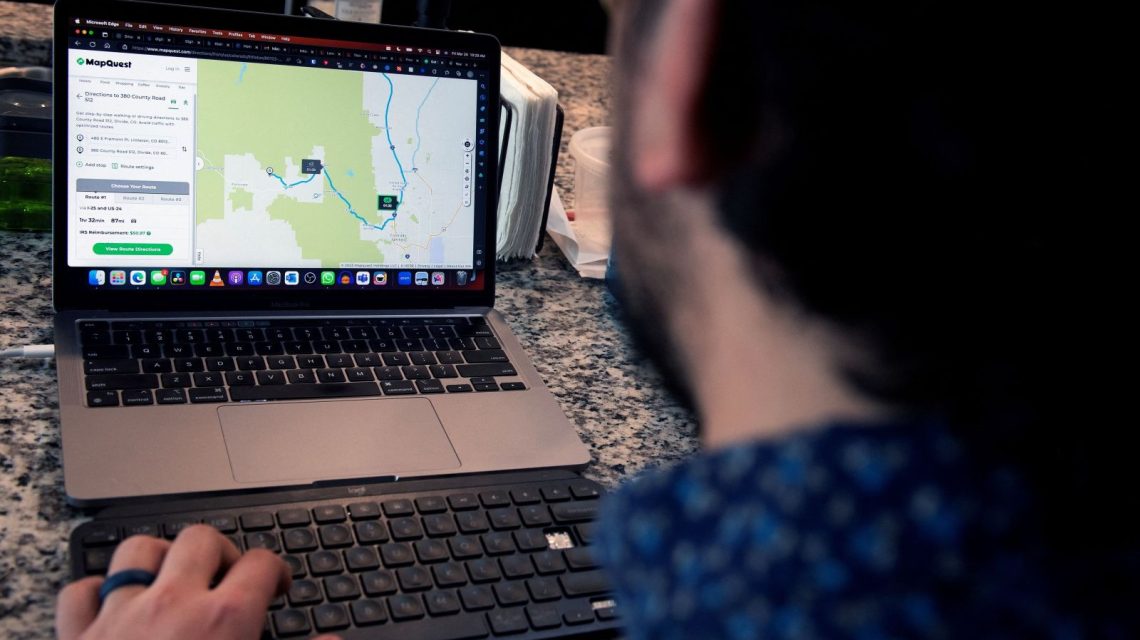
MapQuest recently gained significant attention for its stance against President Donald Trump’s move to rename Lake Ontario as “Lake America.” Despite unclear details on who decided not to update the map, the leader of MapQuest’s parent company isn’t known to support Trump. The renaming, part of a reaction to the U.S.-Canada trade conflict, was not adopted by MapQuest, unlike several platforms such as Google Maps.
The decision boosted MapQuest’s popularity, with app downloads increasing by over 300%. Doug Berger, MapQuest’s general manager, stated that public feedback through increased downloads confirmed their decision. The renaming dispute emerged amidst deteriorating U.S.-Canada relations over failed trade negotiations and new tariffs. Although U.S. federal agencies are expected to comply with the new name, Canada rejected the change, maintaining the original designation.
Allison Schuster, a White House spokeswoman, highlighted Trump’s perspective, noting the lake’s volume largely resides in U.S. territory. Thus, the name reflects its geographic and historical significance to America. However, the renaming did not influence MapQuest’s decision to keep the original name on their maps.
Ownership and Political Connections
MapQuest is owned by System1, a California-based company. The CEO, Michael Blend, previously donated to various Democratic campaigns, though there’s no confirmed link to the decision not to change the lake’s name. Blend’s political contributions included support for figures such as former Vice President Kamala Harris and President Joe Biden.
Having launched in 1996, MapQuest was initially a leading provider of online directions. After a series of acquisitions, including by AOL and later Verizon, System1 acquired MapQuest in 2019. The stand against renaming the lake and subsequent media attention revitalized the brand.
Innovation and User Engagement
Beyond refusing the federal designation, MapQuest introduced an online feature allowing users to create their own lake names. This approach paralleled their response to Trump’s previous attempt to rename the Gulf of Mexico. The formation of user-generated labels highlighted MapQuest’s consistent brand messaging.
MapQuest humorously labeled Lake Ontario as “Lake Are We Doing This Again?” upon Trump’s announcement, reinforcing their stance and resonating with users. The company experienced both commendations and criticism while benefiting from increased media exposure.
Historical Context and Indigenous Significance
Opposition to the renaming, including from Canadian officials, centered on the historic and Indigenous roots of the name “Lake Ontario.” Prime Minister Mark Carney emphasized that the title predated modern Canada and the U.S., with origins in the Wendat language. Critics underscored its Native American ties, rooted in agreements like the Treaty of Canandaigua, influential in safeguarding Indigenous land rights.
The renaming also prompted comments from Democratic leader Hakeem Jeffries, who criticized the change as trivial and disconnected from substantial American interests.
Technological Adaptations and Diverse Reactions
Google Maps adopted the “Lake America” label for U.S. users after updates to the official GNIS database, adjusting its display based on a user’s location. Internationally, users could see both names, reflecting local naming traditions.
The name “Lake Ontario” is believed to have originated from the Wendat term “Ontari’io,” meaning “beautiful lake” or “lake of shining waters.” Its usage predates both nations, further substantiating Canadian officials’ arguments to retain it.
Despite political divides, the debate over the lake name brought unexpected attention to MapQuest, enhancing its visibility in the tech world unexpectedly.
 Lessons from a Storied Press Secretary
  Tlaib’s Bill Aims to Halt Federal Funding for Mass Surveillance
  California’s New Hate Speech Instruction Faces Pushback
  Macron Faces Criticism Amid Violent Protests in France
  Addressing Recidivism and Reforming the U.S. Prison System
  Tesla Roadster: Revolutionary Prototype with Flying Capabilities