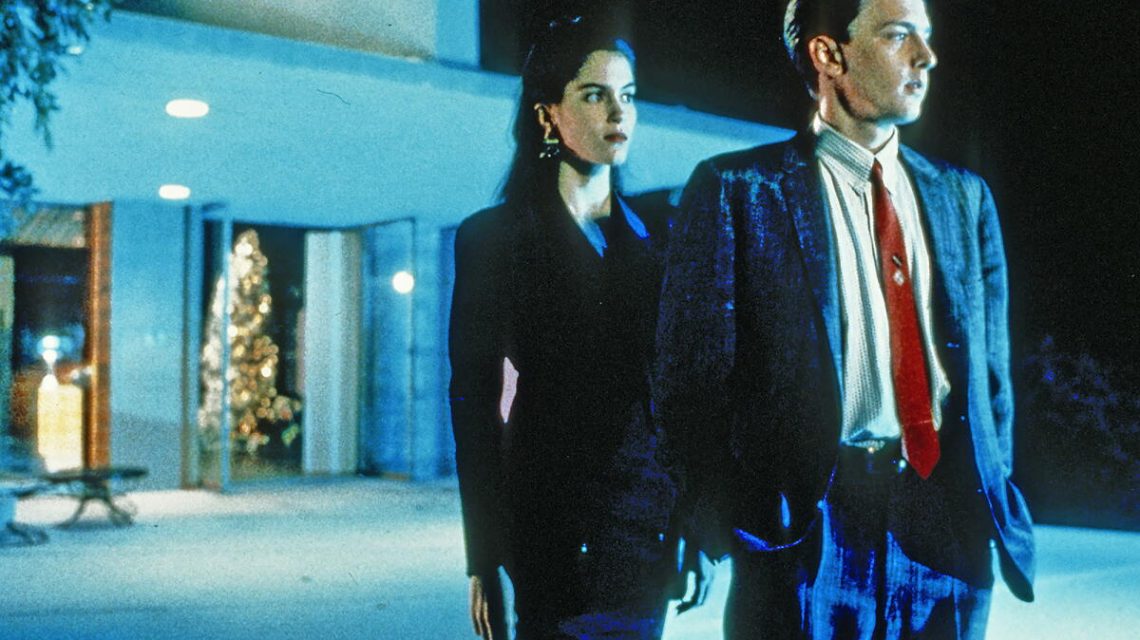
In an imagined scene from the 1980s, a blonde woman of a certain age, under the influence of cocaine, holds an Oscar statuette in her Beverly Hills dressing room. Instead of gratitude, her speech reveals bitterness and narcissism. The harshest words are directed at her daughter, a student at an elite LA private school. This fictional scene reflects themes from Bret Easton Ellis’s works, such as ‘The Shards.’
Ellis, known for his portrayal of LA’s upper class, continues to influence perspectives on familial and societal issues. His stories capture the excesses of wealth, neglect, and distorted values, often highlighting the impact on young lives. This exploration is central to the FX series ‘The Shards,’ showcasing a world of privilege intertwined with dark secrets and dangers.
The Reality Behind the Fiction
‘The Shards’ includes a chilling portrayal of a serial killer, yet the true horror lies in the self-absorbed parents. These characters, ignoring their children’s needs, reflect certain truths about 1980s parenting in LA’s wealthy circles.
During this time, the notion of over-involved parenting had not yet taken hold. Instead, scandals like the college admissions debacle in recent years show parallels with Ellis’s settings, revealing systemic privilege and corruption.
Bret Easton Ellis’s Literary Impact
Ellis first gained attention with ‘Less Than Zero’ in 1985, depicting a culture of unchecked materialism and parental negligence. The book’s depiction of parents as consumptive beings set the stage for discussions around affluence and moral voids.
‘The Shards’ extends this discussion, showing an adult world that is largely absent or detrimental. Critiques have noted that adults in such narratives often embody disappointment and danger, symbolizing hidden threats rather than open monsters.
Reflecting on LA’s Excess Culture
The themes of wayward youth and absent parents were pertinent in the 1980s. Events in Pacific Palisades, where affluent youth parties resulted in tragedies, became a national conversation topic. Media outlets highlighted parents who were seemingly lenient with their children.
Despite this, many parents actively tried to improve conditions. Initiatives in Beverly Hills aimed to provide safer environments for teens, offering alternatives to risky behaviors and addressing parental roles directly.
Perceptions Then and Now
In the societal consciousness, the 1980s valued upward mobility, with pressures on youth to achieve conventional success. This drive, mirrored in ‘The Shards,’ raises questions about true progress since that era.
The ambition seen in characters who dream of Hollywood success reflects a mindset deeply ingrained in families striving for recognition. The core values of achievement and prestige prioritize outcomes over well-rounded development.
 Wendell E. Berry: A Legacy of Land, Literature, and Humility
  Meghan Markle’s Return to the UK Brings New Independence
  Dolly Parton’s Legacy as a Civic Icon
  Honoring Dolly Parton: Her Enduring Influence on Education and Literacy
  Lionel Richie Hospitalized After Concert
  Regents Choose Historic Building for National Museum of the American Latino