Challenges of FEMA Assistance
One year after Hurricane Helene, many people who lost their homes have struggled to navigate FEMA’s aid process. Some received aid, while others faced significant obstacles. Those with higher incomes often received more assistance, creating a disparity in aid distribution.
Income Disparity in FEMA Aid
An analysis revealed that wealthier homeowners in North Carolina received two to three times more FEMA housing assistance than their lower-income counterparts. This disparity was particularly evident in Yancey County, where the Hills family lives.
The Hills’ Story
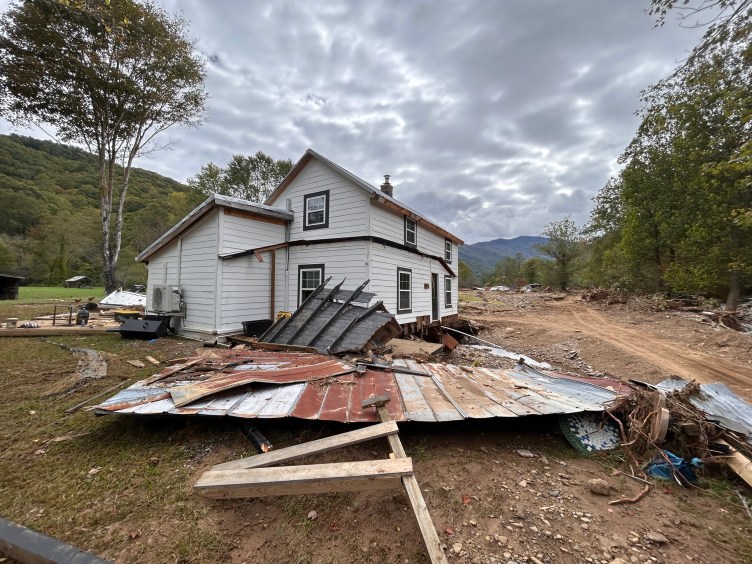
The Hills, who are public school teachers, received close to the maximum amount of FEMA aid. Their success was partly due to having time to navigate FEMA’s complex application process while schools were closed. They faced significant damage as their home was engulfed by floodwaters, yet were able to utilize FEMA aid effectively.
Bureaucratic Hurdles
FEMA’s application process can be tedious and overwhelming, particularly for low-income families with limited resources. An analysis showed that lower-income households received less housing assistance than wealthier households. Rigid documentation requirements and a complex appeals process further complicated the assistance.
Disasters reveal inequities. It’s a vicious cycle, making it hard for those with fewer resources to access needed aid.
Case Studies: The Hills and the Parkers
Michelle and Jeff Parker also suffered significant loss but faced different challenges due to income and resources. Despite past experiences with flooding, navigating FEMA’s system proved difficult. Michelle struggled with FEMA’s rental assistance process, which was exacerbated by personal loss and inadequate communication.
Rural Challenges
Many residents in rural areas, like Yancey County, faced additional barriers after Helene. Limited internet access and skepticism towards federal aid worsened the situation. The complex bureaucratic system and FEMA’s staffing cuts further hindered efficient aid distribution.
Rebuilding Efforts
The Hills and Parkers illustrate the diverse outcomes of disaster recovery. The Hills managed to rebuild and relocate their home with help from FEMA and their community. Meanwhile, Michelle Parker’s path involved navigating complex systems and relying heavily on donations and non-profits.
Conclusion
Despite FEMA’s aid efforts, income disparities and bureaucratic challenges persist. Recovery is ongoing for many, highlighting the need for a more equitable and efficient disaster response system. Families like the Hills and Parkers continue to rely on community support as they work towards rebuilding their lives.
 Kansas City Chiefs Heiress Gracie Hunt Looks Forward to Franchise Future
  Family Tensions Rise Over Hospital Access After Medical Crisis
 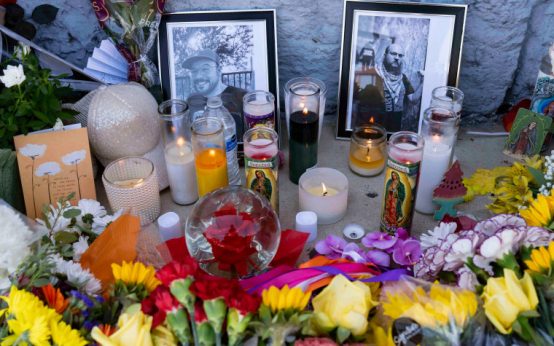 Arizona Gay Bar Shooting Investigated as Possible Hate Crime
  Wendell E. Berry: A Legacy of Land, Literature, and Humility
  Dolly Parton’s Legacy as a Civic Icon
 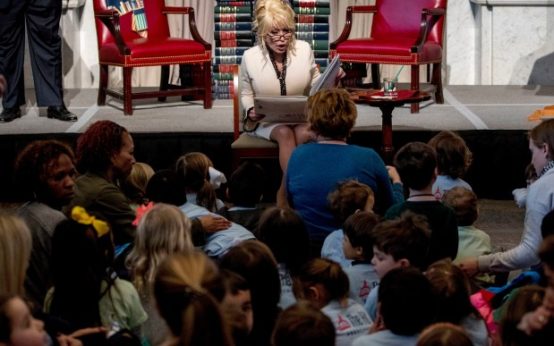 Honoring Dolly Parton: Her Enduring Influence on Education and Literacy