President Trump signed an Executive Order on Thursday proposing the renaming of Lake Ontario to Lake America. He justified his decision by pointing out that a significant portion of the lake’s depth and volume is within U.S. territory. However, more than half of Lake Ontario’s surface area is within Canadian boundaries, with the international divide running through its center.
A YouGov poll reported only 19 percent of Americans back this move, suggesting disdain for what many see as a petty gesture towards Canada. Despite public disapproval, Trump’s legal grounding for the order is stronger than it appears.
The same poll indicates Trump’s overall approval rating stands at 36 percent. Many Americans are more troubled by other issues like the death and injury of U.S. service members due to military actions, the high numbers in immigration detention, and rising inflation from tariffs. Meanwhile, controversies also abound concerning alleged corruption and the lowering of FBI recruitment standards.
Trump cited federal law granting the Secretary of the Interior the authority to establish geographic nomenclature and orthography for the federal government. The law also mandates consideration of federal and state agency interests, which critics argue haven’t been duly considered.
The Board of Geographic Names, created in 1890, includes members from various federal agencies. Although Cornell law professor Michael Dorf suggests more thorough inquiry is needed before such a renaming, past actions, like renaming the Gulf of Mexico, indicate a disregard for procedural norms.
The Supreme Court recently enhanced presidential control over agency heads, affecting their independence. Though the Administrative Procedure Act provides grounds for civil lawsuits against procedural non-compliance, such challenges are unlikely to have substantial impact.
Seneca Nation President J. Conrad Seneca argued that renaming the lake violates the 1794 Treaty of Canandaigua with the Haudenosaunee Confederacy. Yet, past actions including military interventions without Congressional approval highlight Trump’s circumvention of legal constraints.
The prevalence of these actions raises concerns over the diminishing rule of law in America. This serves as a wake-up call to restore constitutional accountability, with support from Canadians and internationals denouncing potential overreach.
Kimberly Wehle currently serves as a fellow at the Netherlands Institute for Advanced Study and has authored several books on constitutional and legal literacy.
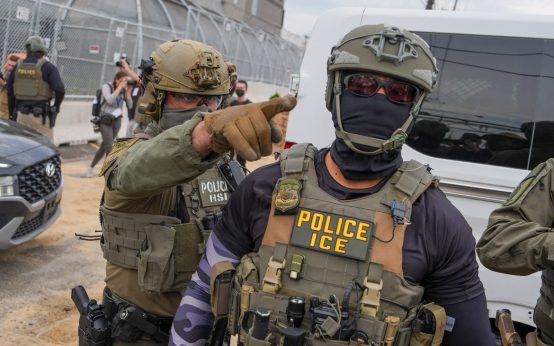 ICE Agent Misconduct Allegations Increase Amid Rapid Growth
 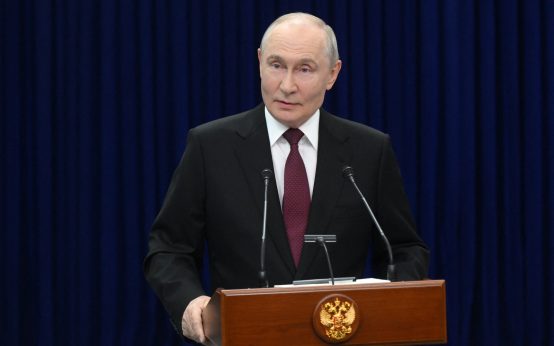 Tensions Rise as Putin Accuses Ukraine of ‘State Terrorism’
 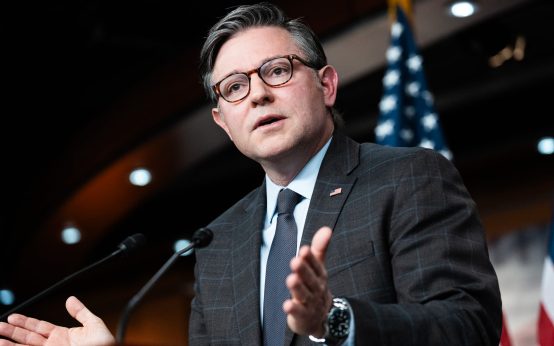 Political Battles: Key Debates and Legislative Moves
  Recent Political Developments: Debates, Supreme Court Proposal, and Primary Results
  Democratic Party Shifts Primary Schedule to Prioritize Pragmatism
  President Trump’s Election Security Plan Faces Judicial Resistance