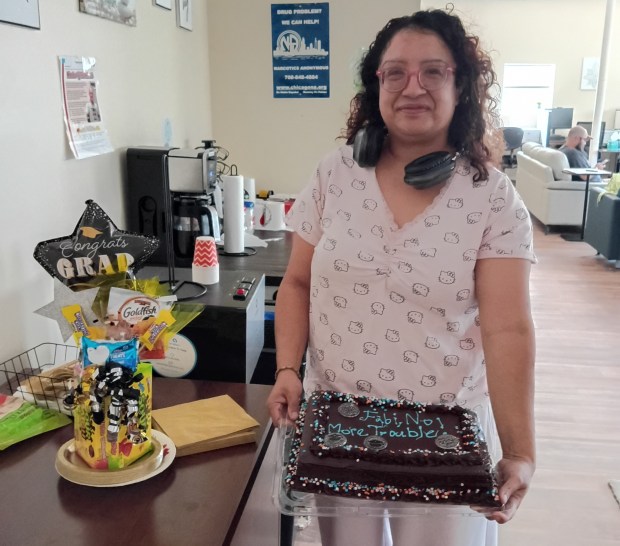
Will County is celebrating a significant achievement with the graduation of 1,000 individuals from its problem-solving courts. Program leaders highlight that this initiative has not only reduced recidivism rates but has also provided participants with sobriety and renewed purpose.
It’s transformational,
said Scott DuBois, the coordinator of the problem-solving courts. Both he and his team have observed profound changes in participants. Individuals learn to believe in themselves and realize their potential for healthy, stable relationships within their communities.
Beyond the individual transformations, the program benefits entire communities. They work and live within a family system and in a community,
DuBois explained. Each graduate contributes to a broader impact by reclaiming and redefining their lives and living in recovery.
Historical Context and Program Growth
Initiated by Will County State’s Attorney Jim Glasgow in 1998, the program secured its initial funding as a local drug court through federal grants. A $30,000 grant enabled Glasgow and his team to explore the link between drug use and criminal behavior. With a $50,000 state grant and $500,000 from the U.S. Department of Justice, Will County launched its first drug court in 2000.
The program has since expanded to include a mental health court, a veterans court, and the Redeploy Illinois program. Together, these units form the problem-solving courts, designed to lower incarceration rates, treat addiction, and assist reintegration into the community.
Personal Stories of Transformation
Fabiola Findlay, a 2026 graduate through the mental health court, shares her experience. They treat you like a person,
she said, emphasizing the personalized therapy and support she received. After 14 months, she no longer self-medicates with alcohol and now leads a recovery group offering advice to others.
Magdalena Campos, a graduate who is marking four years of sobriety, expressed gratitude for the program’s support and her role in an alumni group. She explains the importance of connection in recovery. Connection is the opposite of addiction,
she said, stressing the value of peer support in maintaining long-term sobriety.
Program Structure and Impact
Participants apply upon entering the judicial system, requiring assessment and judicial approval for nonviolent offenses. The program involves five structured phases, starting with cessation of substance use and engagement with community resources. Graduates, like Findlay and Campos, share success stories that inspire others.
Success is evident in the recidivism rates. Approximately 80% of participants graduate, with 14% reoffending in the first year and 24% within five years, compared to significantly higher rates among non-participants.
Cost-Effective Rehabilitation
The program costs about $3,000 annually per participant, significantly less than the $52,000 annual cost of incarceration. Glasgow highlights the benefit of reforming individuals into productive citizens rather than incarcerating them. Examples of graduates’ positive contributions, like aiding a river rescue, illustrate their potential as valued community members.
Jim Glasgow commends the combined efforts of judges, counselors, and alumni who support ongoing recovery and community safety. He reinforces the role of rehabilitation in fostering safer, more productive communities.
 Austin Police Release Footage of Arrest After ICE-Involved Shooting
 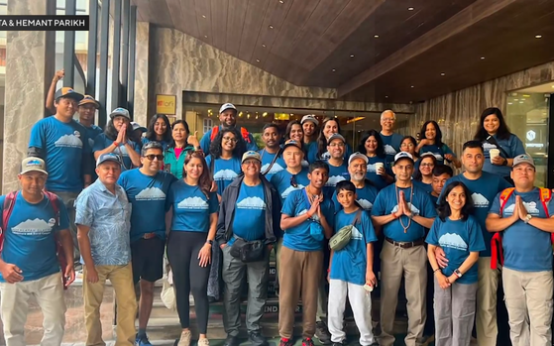 Himalayan Pilgrimage: A Couple’s Narrow Escape and Lingering Questions
  Religious Trends: Decline in Affiliation with LDS Church
 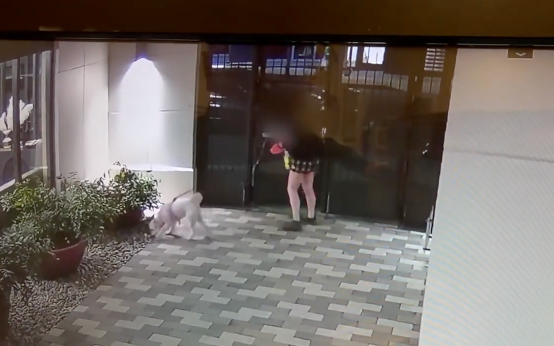 UC Berkeley Student’s Harrowing Encounter Raises Questions About Safety and Legal Protections
  Tinley Park Updates Downtown Parking Rules Amid Increased Congestion
  Upcoming VA Disability Payment Dates and Qualification