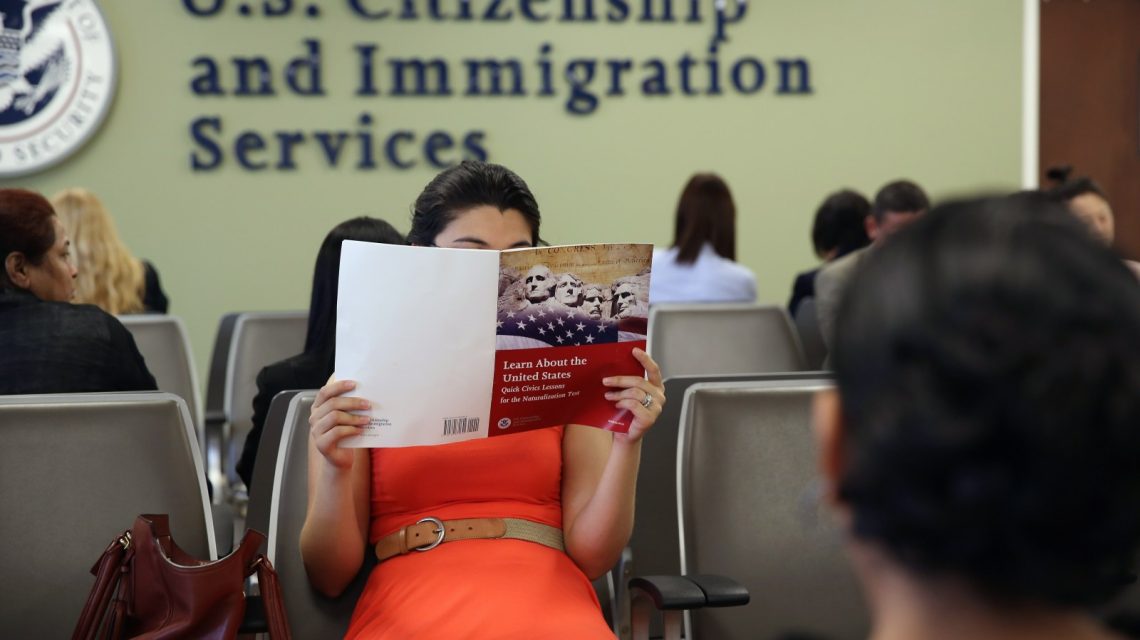
U.S. Citizenship and Immigration Services (USCIS) has taken a significant step by acquiring body-worn cameras. This move aligns with the Trump administration’s strategy to extend its investigative and enforcement efforts. USCIS has awarded a $159,675 contract to Axon for cameras, equipment, storage, and training. According to federal procurement records, this delivery order was issued on September 1, and will be effective until August 31, 2027, with operations based in Maryland.
The acquisition marks a shift in USCIS’s responsibilities. Historically, the agency has focused on processing immigration benefits. However, it now aims to recruit and train special agents authorized to make arrests, carry firearms, and execute search and arrest warrants. These new roles involve investigating immigration fraud, national security threats, and violations of immigration law.
Transition to Enforcement
Former USCIS officials note the purchase is significant since the agency has traditionally functioned differently from enforcement-focused components of the Department of Homeland Security (DHS), such as Immigration and Customs Enforcement (ICE) and Customs and Border Protection (CBP). Douglas S. Pierce, who retired in 2025 after a long career with the Immigration and Naturalization Service (INS) and USCIS, described the move as “very unusual,” emphasizing that USCIS has not been known to use body-worn cameras before.
The procurement details do not specify the number of cameras obtained or their deployment. USCIS spokesperson Zach Kahler stated the agency is committed to conducting its responsibilities safely, professionally, and within legal frameworks. Though USCIS does not disclose deployment specifics for security reasons, Kahler emphasized that body cameras enhance accountability, transparency, and safety.
Shifting Roles for USCIS Agents
The agency is embracing responsibilities often linked with federal law enforcement. In September 2025, USCIS outlined plans for a team of special agents with arrest, firearm, and warrant authority. This will improve its capacity to manage immigration fraud and security threats.
USCIS’s Homeland Defenders program forms part of this strategy. Over 700 recruits receive training in immigration law, national security, and fraud detection. Notably, the Homeland Defender role does not involve being armed, differing from the special agent position.
Furthermore, a recent policy reinstatement allows neighborhood investigations during naturalization processes, permitting officers to gather information beyond government databases.
Adam Klein, co-founder of Globali.ai and a former senior DHS official, pointed out the unusual nature of this purchase, recalling that the agency was designed to manage immigration benefits separately from enforcement roles when DHS was established in 2003.
Expansion of DHS Responsibilities
Pierce commented on the timing, questioning how USCIS plans to manage its broadened mandates. He noted the contract’s scale suggests a limited deployment, indicating a potential pilot program or restricted use among officers.
The deal was arranged via an existing DHS contract used by other agencies for Axon equipment. ICE and CBP have previously engaged Axon for larger body-camera procurements.
Despite being small, the USCIS contract suggests a shift in the agency’s focus from adjudicating immigration benefits to a more enforcement-related role. However, USCIS has not clarified which personnel will get the cameras or if further acquisitions will occur.
In summary, this development hints at USCIS’s transformation from a public-facing immigration benefits body to an entity with expanded law enforcement capabilities.
 Chevron Expands Operations in Venezuela Amid New U.S. Deal
  FAA Proposes Permanent Flight Rules Around Trump Airport
  Emergency Landing of Homeland Security Plane Following Engine Failure
  Delta Flight Makes Emergency Landing After Pilot Falls Ill
  Background of Tucson Shooting Suspect and Community Memorial
  Iran’s Retaliation Against U.S. Bases in Gulf Region