
In July, Argentina’s soccer team sparked controversy at the World Cup by unveiling a banner stating “Las Malvinas son Argentinas”. The message challenged Britain’s sovereignty over the Falkland Islands, situated approximately 300 miles off Argentina’s coast. Although the incident stirred discussions in London, it was largely seen as a display of sporting nationalism. This perception shifted when U.S. President Donald Trump suggested the United States might reconsider its stance on these islands.
On Tuesday, Trump announced that America’s position on the Falkland Islands was “under review.” When questioned if the United States would back the UK against an Argentine invasion, Trump cited grievances with Britain related to its non-support in his confrontation with Iran. This behavior aligns with a trend where Trump reacts to ally disputes by contesting geographic boundaries.
There are numerous examples of this pattern. In one instance, Trump labeled the Gulf of Mexico as the Gulf of America, driven by trade tensions with Canada. He instructed the federal government to rename Lake Ontario as Lake America. Additionally, Trump expanded this cartographic satire to the Middle East. He marked a map of the Strait of Hormuz as “New U.S. Territory,” and suggested renaming it “Trump Strait,” disregarding Oman’s significant relationship with the U.S.
President Trump transforms diplomatic disagreements with allies into provocations meant to pressure them.
Britain has managed the Falklands since 1833, except for Argentina’s brief occupation in 1982. Despite ongoing sovereignty claims, a 2013 referendum showed residents’ preference to remain a British Overseas Territory, with 92% voter turnout supporting this decision. Nonetheless, recent events have intensified Argentine tensions, evident in remarks by Argentina’s President Javier Milei, promising to vigorously defend national interests.
The situation is exacerbated by Trump’s claim that “your country was not there for me” regarding Iran, which is misleading. NATO did not agree to offensive strikes against Iran. However, U.S. Air Force assets conducted thousands of sorties from UK bases during the period. London had authorized the use of strategic bases like RAF Fairford and Diego Garcia for operations against Iranian targets.
The deployment of about 11,000 U.S. military personnel across the UK reflects alliance commitments, made at Britain’s invitation. Decisions on foreign military actions follow careful evaluations, exemplifying strategic partnerships. These collaborations are grounded in mutual advantage, not dictated by personal impulses.
Trump’s ability to rename Lake Ontario does not change NORAD’s operational structure, where U.S. and Canadian forces jointly oversee continental defense. While partnerships with America remain intact, Trump’s approach to leveraging an ally’s territory or borders as negotiation tools is risky.
Spain demonstrated a countermeasure during Trump’s conflict with Iran by denying U.S. forces access to bases for associated operations. Madrid barred all related flight plans, with Prime Minister Pedro Sánchez emphasizing Spain’s sovereignty in its decision.
Other allies hold similar capabilities. Though rarely exercised due to significant repercussions, Spain’s action illustrates these mechanisms are viable. Trump’s geographical ventures presume unilateral control over territorial concepts, which allies might choose to rectify.
 Concerns in the U.S. Over French Riots
 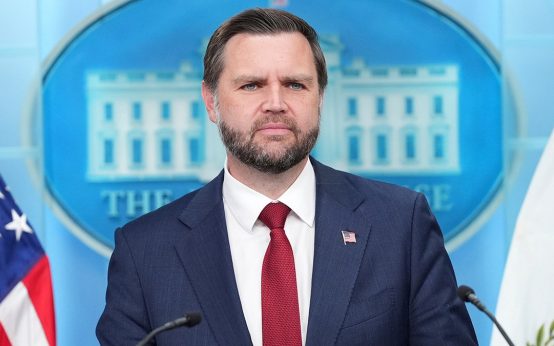 US Vice President JD Vance Chooses Not to Endorse Netanyahu Amid Israeli Elections
 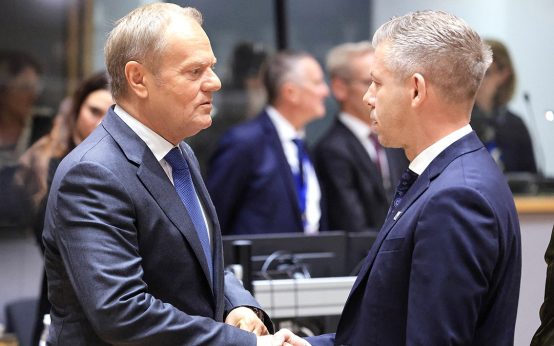 Rising Violence in Europe and Its Political Impact
 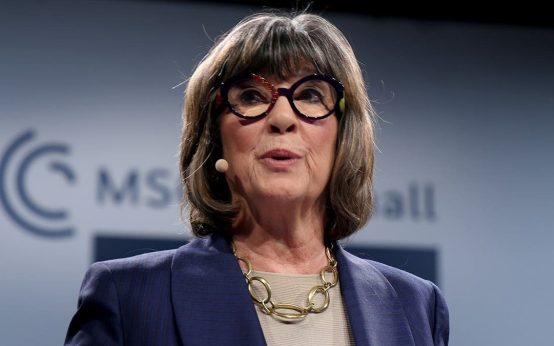 Christiane Amanpour to Leave CNN After Over Four Decades
  Ukrainian President Responds to U.S. Abandonment Amid Strained Relations
 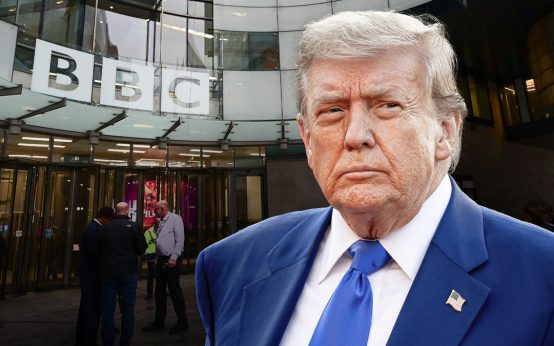 Trump Sues BBC Over Documentary Alterations