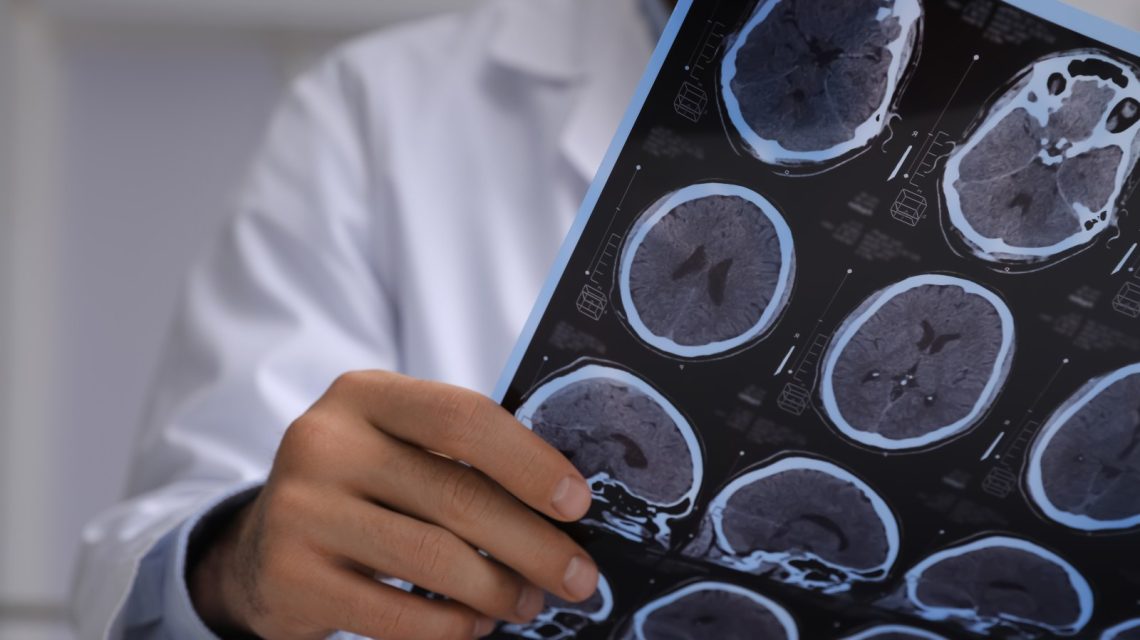
Recent research reveals structural brain alterations associated with Alzheimer’s disease may begin over seven years before detection using current imaging techniques. Traditionally, amyloid plaques observed in amyloid-PET scans were considered the earliest signs. However, new evidence suggests MRI scans reveal changes that precede these plaques.
Study Insights
The study monitored cognitively healthy older adults, undergoing repeated MRI scans over nearly 20 years. Some participants eventually developed amyloid plaques, while others did not. Researchers pinpointed when plaques became detectable via PET scans and reviewed MRI data from the prior decade. Structural brain changes became apparent years prior to plaque visibility, at least seven years before plaques showed on PET scans.
Implications for Alzheimer’s Understanding
Published in Nature Neuroscience, these findings challenge current notions of Alzheimer’s disease onset. If brain changes occur before plaques form, existing methods may overlook significant disease processes. Researchers propose two explanations: biological processes affect the brain before plaques are detectable, potentially impacting plaque formation; or distinct mechanisms initiate brain changes before amyloid accumulates.
Potential for Broadening Treatment Approaches
Dr. Lucy Hooper, co-founder of Coyne Medical, suggests these findings could alter intervention strategies. Evidence indicates Alzheimer’s develops over years, extending opportunities for prevention or delay. Other studies found changes in cerebrospinal fluid and blood detectable long before scan-visible plaques, reinforcing early onset theories.
Hooper noted soluble amyloid might impair brain connections prior to plaque formation. Factors such as inflammation, immune cell changes, blood vessel variations, and disruptions in the glymphatic system may also occur independently of plaque formation. These insights could shape future diagnostic and treatment efforts.
Blood testing for plasma p-tau217 is helping accelerate Alzheimer’s diagnoses, though it remains imperfect due to potential inaccuracies. Identifying superior biological markers could foster new therapies aiming to prevent or reduce Alzheimer’s disease. While current therapies focus on amyloid, growing research explores alternatives targeting inflammation, metabolic shifts, and glymphatic systems.
James M. Roe, et al. Cortical thickness changes precede high levels of amyloid by at least 7 years. Nature Neuroscience, 2026; DOI: 10.1038/s41593-026-02363-4
 Federal Limits on Medical School Borrowing: Potential Impacts
  Weight-Loss Drugs and Hair Loss: New Study Reveals Genetic Link
  Expanded Recall of Organic Frozen Berries over E. Coli Concerns
  Study Reveals Impact of Cannabis Edibles on Driving
  Study on Dementia Diagnosis Underreporting Among Older Americans
  Exploring Human-Pet Interactions Through AURAL-Pet System