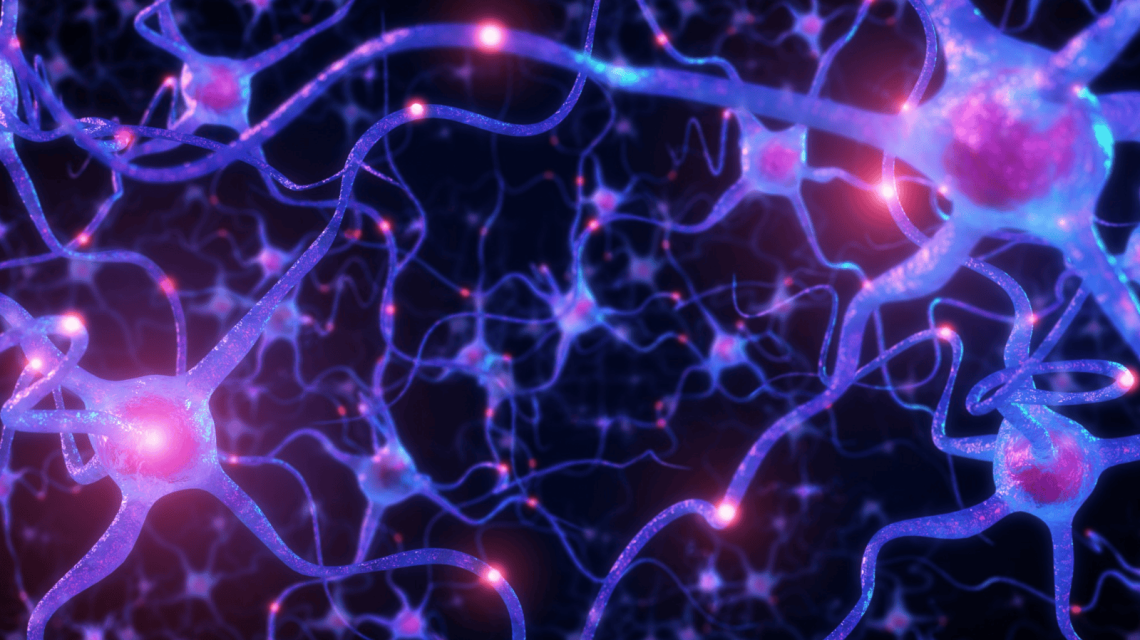
Researchers have discovered why some people exhibit signs of Alzheimer’s disease in their brains but do not develop dementia. A study published in Cell Stem Cell highlights the role of ‘immature’ neurons in cognitive resilience. These neurons may enable individuals to maintain normal cognitive functions despite accumulating Alzheimer’s-related damage.
Scientists focused on the hippocampus, a crucial area for learning and memory, highly affected by Alzheimer’s. They observed that individuals who stayed cognitively healthy despite Alzheimer’s showed immature neurons with characteristics akin to younger, adaptable brain cells.
The study estimates that 30% of people with Alzheimer’s pathology never develop clinical symptoms. Evgenia Salta, the senior author of the study, attributes this resilience to neurons appearing more youthful, acting as protective elements amid Alzheimer’s pathology.
Salta’s research, conducted at the Netherlands Institute for Neuroscience, suggests resilience results from genetic and lifestyle factors. Genetics might empower cellular mechanisms limiting damage, while physical exercise and lifelong learning could develop ‘cognitive reserve,’ aiding the brain in managing disease.
Interestingly, Alzheimer’s pathology, marked by protein build-up, does not invariably lead to dementia. The newly identified neurons exhibit unique molecular patterns, aligning with both Alzheimer’s pathology and resilience, implying a protective role.
Dr. Daniel Fenton, an observer not involved in the study, emphasized the distinction between individuals with Alzheimer’s dementia and others with similar brain pathology but no cognitive impairment. The latter showed increased protective and anti-inflammatory cellular activity.
Salta hopes this discovery might transform approaches to Alzheimer’s therapies. It suggests dementia is not an unavoidable result of Alzheimer’s pathology but a path that could be altered.
Fenton believes the findings may revolutionize perceptions of brain repair at later life stages. Immature neurons might maintain a healthy hippocampal environment, reinforcing cognitive reserve.
If future confirmation shows these cells have a protective role, therapies could evolve to support the brain’s repair mechanisms, not solely focus on reducing Alzheimer’s-induced damage.
Salta remarked, “Potential benefits depend on timely intervention, ranging from symptom delay to severity reduction.” The study opens prospects for Alzheimer’s treatment innovation.
Reference: Tosoni, G., et al. (2026). Transcriptional profiles of immature neurons in aged human hippocampus track Alzheimer’s pathology and cognitive resilience. Cell Stem Cell, 33(5), 763–783.e9. doi:10.1016/j.stem.2026.04.002.
 Caffeine Consumption on an Empty Stomach: Effects and Opinions
 Understanding the Debate on Hydroxyapatite Toothpaste
 Risks of Contaminated Luggage in Sleeping Areas
 Risks Associated with Testosterone Therapy in Postmenopausal Women
 Sen. Chris Murphy’s Stroke Highlights Importance of Recognizing Symptoms
 Exploring the Health Benefits of Walking