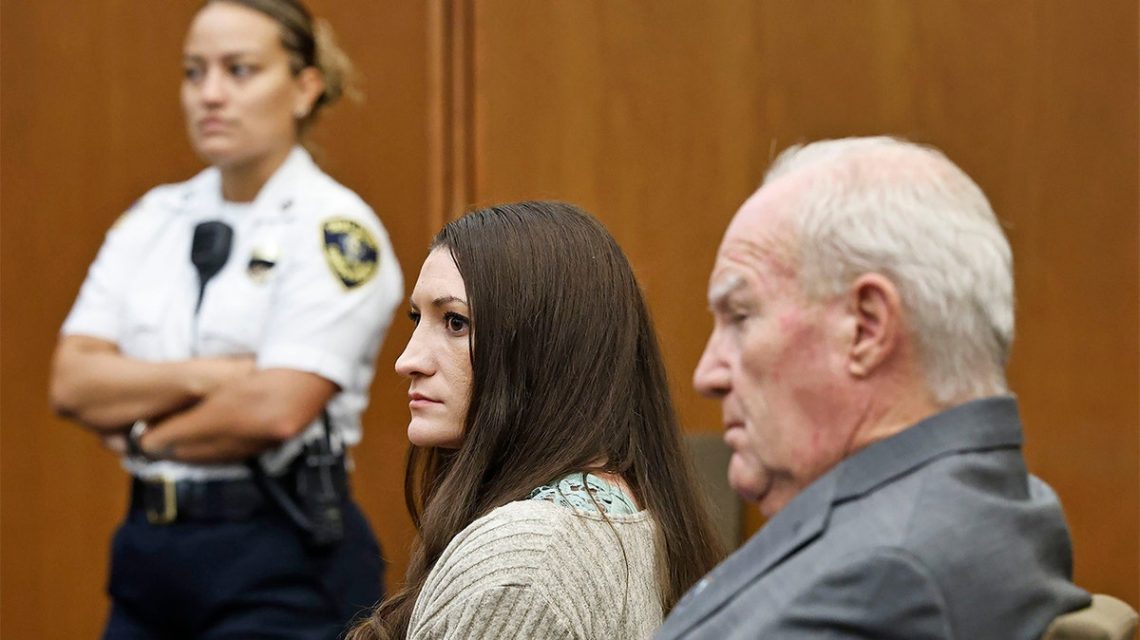
As jurors approached the end of a sixth day of deliberations in the Lindsay Clancy trial, one of Karen Read’s previous defense attorneys has commended Kevin Reddington, Clancy’s lawyer, on his performance in court. This comes after jurors twice informed the judge they were unable to reach a unanimous verdict. David Yannetti, who was instrumental in Read’s defense through both of her Massachusetts murder trials, expressed empathy, noting the stress and pressure of having someone’s life in their hands during jury deliberations. “I feel for Kevin now,” Yannetti stated, acknowledging the challenging nature of Reddington’s situation. He described Reddington as appearing confident despite the circumstances.
The cases of Read and Clancy share unique characteristics. Both involve professional women with no previous criminal records who have garnered considerable public support. Clancy faces charges of three counts of murder in the deaths of her children: Cora, Dawson, and Callan, aged five, three, and eight months, respectively. The jury has options of a guilty verdict for first- or second-degree murder, manslaughter, or not criminally responsible due to an insanity defense.
Judge William Sullivan, overseeing the Clancy trial, has reiterated the prosecution’s burden to prove beyond a reasonable doubt. This follows a new note from the jury expressing their struggles. With deliberations ongoing, retired Massachusetts Judge Carol Erskine noted the difference between refusing to deliberate and simply refusing to agree, advising judges to avoid interfering with jury discussions.
Attorney Reddington requested the judge to remove an apparent single juror holdout, said to be noncompliant with the law by another juror, but Sullivan denied this request. As deliberations stretch into their seventh day, the exhaustive wait takes its toll. “It’s torture,” Yannetti remarked, explaining the trial attorneys’ predicament of having to wait without control once the jurors leave to deliberate.
In Karen Read’s first trial, after five days of deliberations, the jury was deadlocked, leading to an acquittal on all homicide-related charges in her subsequent trial the following year.